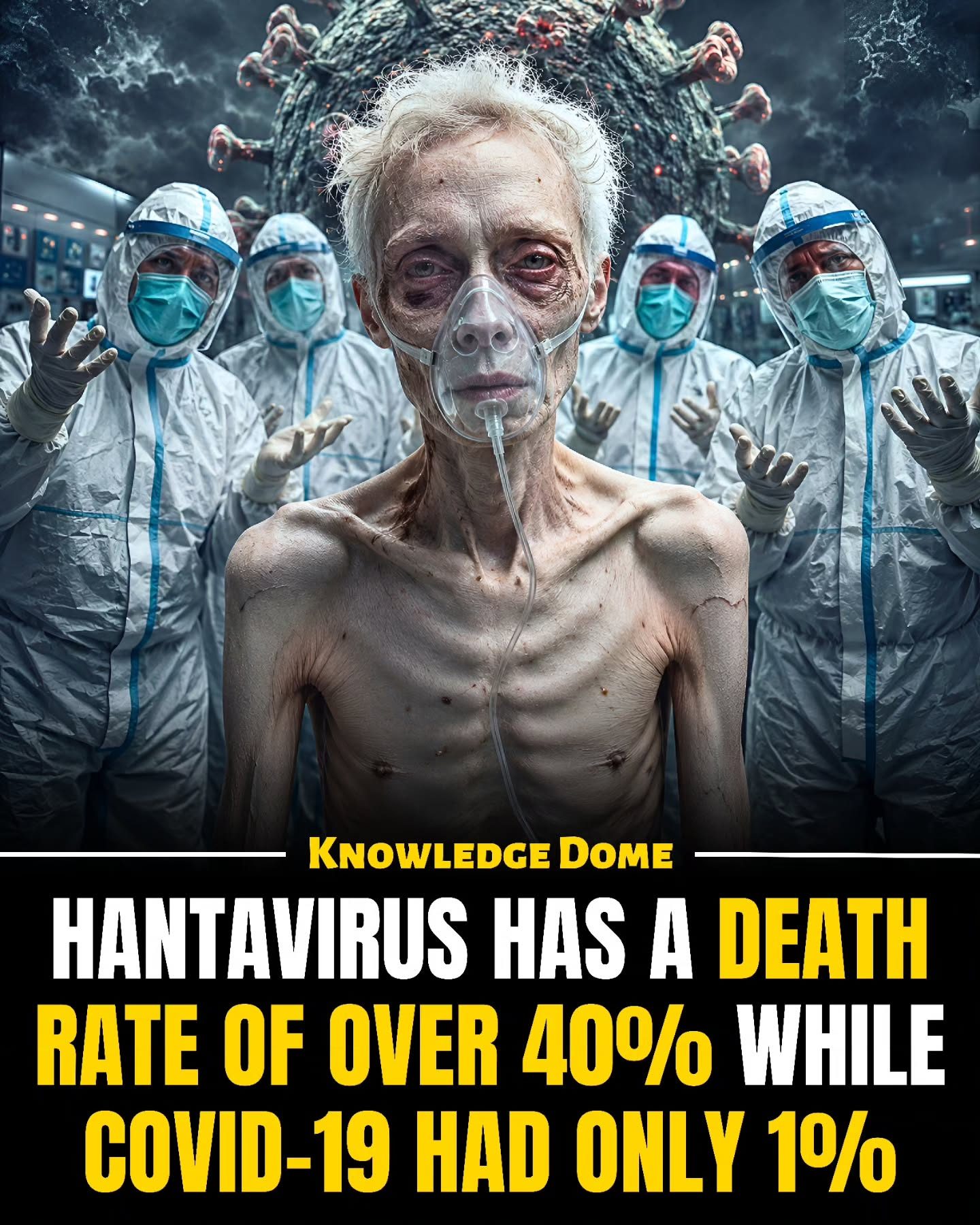
Hantavirus: The Deadlier Yet Less Contagious Counterpart to COVID-19
Hantavirus, a viral infection often spread through contact with rodent droppings or urine, has garnered attention due to its high fatality rate, particularly in its most severe form, Hantavirus Pulmonary Syndrome. Unlike COVID-19, which spread rapidly from person to person, hantavirus poses a lower risk of human-to-human transmission. However, the mortality rate for hantavirus can reach approximately 35% to 40%, and in some cases, even higher.
Health Implications and Why This Matters
The stark contrast in death rates between hantavirus and COVID-19 highlights the importance of understanding how different pathogens affect human health. While COVID-19 had a much lower death rate, usually around 1% to 3%, its high contagiousness led to a much higher overall number of deaths worldwide. Hantavirus, on the other hand, though more deadly on an individual basis, does not spread as easily.
In its most severe form, Hantavirus Pulmonary Syndrome, the virus can be fatal for many who become seriously ill. This form of the virus attacks the lungs and can lead to rapid respiratory failure. The severity of the disease underscores the need for increased awareness and preventive measures, especially in regions where rodents are prevalent.
Main Discussion
The Nature of Hantavirus
Hantavirus is not a single entity but rather a group of viruses that can cause different syndromes. The most well-known are Hantavirus Pulmonary Syndrome (HPS) and Hemorrhagic Fever with Renal Syndrome (HFRS). HPS is predominant in the Americas, while HFRS is more common in Asia and Europe. The symptoms and fatality rates can vary significantly between these syndromes.
Hantavirus Pulmonary Syndrome (HPS)
HPS is characterized by a sudden onset of flu-like symptoms, including fever, muscle aches, and fatigue. As the disease progresses, it can lead to severe respiratory distress and, in many cases, death. The high fatality rate of HPS makes it a serious public health concern, particularly in areas where rodents are common.
Hemorrhagic Fever with Renal Syndrome (HFRS)
HFRS, on the other hand, is characterized by fever, kidney failure, and hemorrhaging. The severity of HFRS can also vary by strain, with some strains having a fatality rate as high as 15% in parts of Asia and Europe. The symptoms of HFRS can be debilitating and often require immediate medical intervention.
Transmission and Prevention
Hantavirus is primarily spread through contact with infected rodent droppings, urine, or saliva. Unlike COVID-19, which spreads through respiratory droplets, hantavirus does not typically spread from person to person. This difference in transmission methods is crucial for understanding how to prevent the spread of the virus.
Prevention measures for hantavirus focus on avoiding contact with rodents and their habitats. This includes keeping homes and workplaces free of rodents, using protective gear when cleaning areas with rodent droppings, and washing hands thoroughly after handling potentially contaminated materials.
Comparative Analysis with COVID-19
The comparison between hantavirus and COVID-19 highlights the different ways viruses can impact public health. COVID-19's high transmissibility led to widespread infection and a significant number of deaths, despite its relatively low fatality rate. Hantavirus, with its higher fatality rate but lower transmissibility, poses a different kind of risk.
Both viruses underscore the importance of public health measures, including vaccination, hygiene, and social distancing, to control the spread of infectious diseases. Understanding the unique characteristics of each virus can help inform more effective prevention and treatment strategies.
Practical Tips
Keeping Your Environment Rodent-Free
To minimize the risk of hantavirus infection, it is essential to keep your living and working spaces free of rodents. This includes:
- Sealing any cracks or holes in walls, floors, and foundations.
- Storing food in airtight containers.
- Keeping outdoor areas clean and free of debris.
- Using traps and baits to control rodent populations.
- Regularly inspecting your property for signs of rodent activity.
Safe Cleaning Procedures
If you suspect rodent activity in your home or workplace, follow these safe cleaning procedures:
- Ventilate the Area: Open windows and doors to ensure proper ventilation before entering the area.
- Wear Protective Gear: Use gloves, masks, and goggles to protect yourself from airborne particles.
- Clean Thoroughly: Use a disinfectant to clean surfaces and remove any visible droppings or urine. Dispose of contaminated materials in sealed plastic bags.
- Wash Hands: Wash your hands thoroughly with soap and water after cleaning.
Awareness and Early Detection
Being aware of the symptoms and risk factors for hantavirus can help in early detection and treatment. If you experience flu-like symptoms and have been in an area with rodent activity, seek medical attention promptly. Early intervention can significantly improve the chances of survival.
Public Health Measures
Public health officials play a crucial role in monitoring and controlling the spread of infectious diseases. Regular surveillance, education, and outreach programs can help raise awareness about the risks and prevention measures for hantavirus. Collaboration between health authorities and the public is essential for effective disease control.
Important Takeaways
- Hantavirus, particularly HPS and HFRS, can be far deadlier than COVID-19, with fatality rates reaching 35% to 40% or higher.
- Unlike COVID-19, hantavirus does not spread easily from person to person and is primarily transmitted through contact with rodent droppings or urine.
- Preventive measures focus on avoiding contact with rodents and their habitats, as well as safe cleaning procedures.
- Understanding the unique characteristics of each virus can inform more effective prevention and treatment strategies.
Conclusion
Hantavirus, with its high fatality rate and specific transmission methods, poses a significant public health risk. While it does not spread as easily as COVID-19, its potential severity makes it a concern, particularly in regions with high rodent populations. By understanding the nature of the virus, its transmission methods, and effective prevention measures, we can minimize the risk and protect public health.
Watch the Reel
Questions readers ask
What are the common symptoms of hantavirus?
Hantavirus symptoms can vary, but early signs often include fatigue, fever, and muscle aches, much like the flu. As the infection progresses, it can lead to more severe symptoms such as shortness of breath and coughing, which are indicative of Hantavirus Pulmonary Syndrome. If you experience these symptoms, especially after potential exposure to rodents, seek medical attention immediately.
How does the transmission of hantavirus differ from that of COVID-19?
Hantavirus is primarily transmitted through contact with rodent waste, including urine and droppings, rather than through person-to-person contact. In contrast, COVID-19 is highly contagious and spreads rapidly from person to person through respiratory droplets. This makes the containment and prevention strategies for hantavirus quite distinct from those for COVID-19.
What is the death rate of hantavirus compared to COVID-19?
Hantavirus has a notably higher death rate, ranging from 35% to 40%, and can be even higher in severe cases. In contrast, the death rate for COVID-19 is generally much lower, typically around 1% to 3%. This significant difference underscores the severe impact of hantavirus on individual health, despite its lower contagiousness.
Can hantavirus spread from person to person?
The risk of human-to-human transmission of hantavirus is very low. Most infections occur through contact with infected rodent waste. This is a key difference from COVID-19, which is highly contagious and spreads easily among people. Therefore, the primary focus for hantavirus prevention is avoiding contact with rodents and their environments.
What preventive measures can be taken to avoid hantavirus infection?
To prevent hantavirus infection, it's crucial to avoid contact with rodents and their waste. This includes sealing up holes in homes and outbuildings, using traps to control rodent populations, and wearing gloves and masks when cleaning areas contaminated with rodent droppings or urine. Proper ventilation and disinfection are also important steps to minimize risk.
How does hantavirus compare to other viral infections, such as COVID-19?
Hantavirus stands out due to its high fatality rate and low contagiousness. While COVID-19 has a lower death rate, its high contagion rate makes it a more widespread public health concern. Hantavirus, on the other hand, is more directly linked to environmental factors, particularly the presence of rodents, making prevention strategies focused on rodent control and hygiene.
Recent articles
Fresh deep dives from the latest Reels we unpacked.




Comments
Be the first to comment.