Hantavirus Outbreak on Cruise Ship MV Hondius
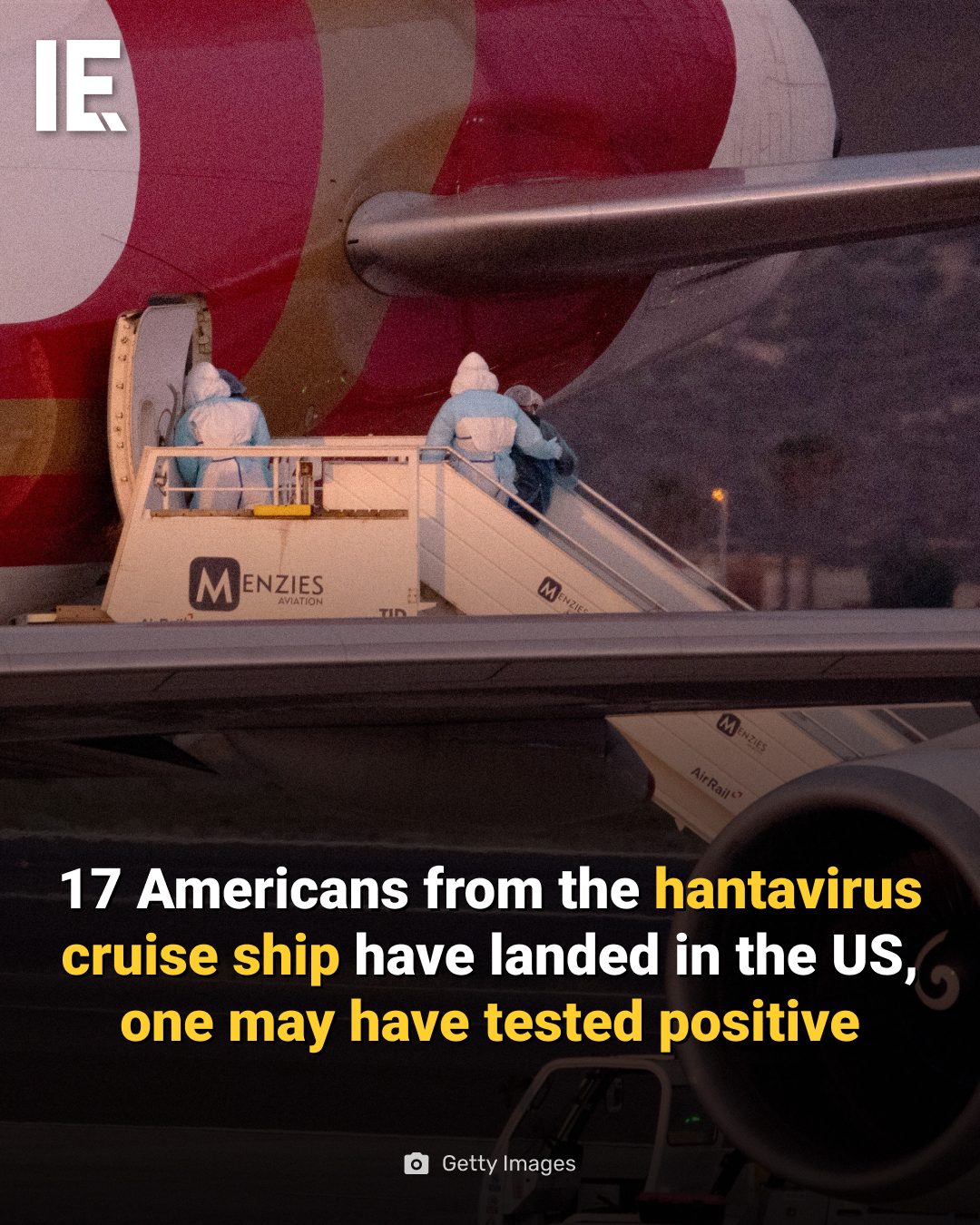
A State Department plane carrying 17 American passengers from the MV Hondius, the cruise ship at the center of a hantavirus outbreak, landed in Omaha, Nebraska in the early hours of Monday morning. The situation has raised concerns and triggered a series of precautions and investigations.
Why This Matters
The outbreak of hantavirus on the MV Hondius offers a critical reminder of the importance of vigilant healthcare protocols, public health preparedness, and international cooperation. This event underscores the need for robust measures to manage and contain infectious diseases, especially in environments where people from diverse backgrounds come together, such as cruise ships.
The Outbreak and Response
The MV Hondius, which embarked on its journey from Argentina on April 1, recorded six confirmed and two suspected hantavirus cases during its voyage, resulting in three deaths. The outbreak has led to the repatriation of passengers from more than a dozen countries, with many being monitored and isolated for health concerns. The hantavirus, a potentially deadly virus, is transmitted through infected rodents, and its symptoms can range from mild to severe, often including fever, fatigue, and muscle aches.
Passengers and Precautions
Two of the 17 American passengers traveled in biocontainment units as a precautionary measure. One passenger has tested positive for hantavirus, although Spanish health authorities have noted that the result was "not conclusive," with one lab returning a weak positive and another returning negative.
A French passenger who was repatriated to Paris also tested positive and experienced a significant deterioration in health overnight, highlighting the virus's potential severity. The World Health Organization (WHO) has initiated an investigation, identifying a birdwatching trip in southern Argentina as the most likely source of the outbreak.
Health and Safety Measures
Health officials have stressed that the risk to the general public remains low, emphasizing that the virus is not easily transmitted from person to person. However, the measures taken, such as repatriating passengers and using biocontainment units, demonstrate the importance of swift and comprehensive responses to such health threats.
Practical Tips for Travelers
Given the current situation, travelers planning to embark on similar voyages should take note of the following precautions:
Choose Reliable Agencies
Opt for reputable travel and health authorities that adhere to international health regulations and standards. Cruising agencies and healthcare providers that work closely with organizations like the WHO can offer better assurances regarding safety and health management.
Stay Informed
Stay updated on the health situation in the regions you plan to visit. Regularly check updates from reliable sources, including public health authorities and travel advisories. Ensure that you are aware of any potential risks and the necessary precautions to take.
Prepare for Emergencies
Always carry a basic medical kit and any necessary medications. Familiarize yourself with local healthcare facilities and emergency services. In case of any health concerns, do not hesitate to seek medical assistance promptly.
Important Takeaways
The hantavirus outbreak on the MV Hondius serves as a stark reminder of the inherent risks associated with travel, particularly in areas with potential rodent-borne diseases. The situation underscores the necessity for constant vigilance, prompt action, and effective communication among healthcare authorities and travelers.
Public Health Preparedness
This event highlights the critical role of public health preparedness, including the development of comprehensive response plans and the training of healthcare professionals to handle such outbreaks efficiently.
International Coordination
The outbreak also emphasizes the need for international cooperation in managing and containing infectious diseases. Collaboration among public health organizations, travel agencies, and healthcare providers is essential for implementing effective measures to protect travelers and contain disease outbreaks.
Vaccination and Prevention
While there are no specific vaccinations for hantavirus, general preventive measures such as avoiding contact with rodents, maintaining clean environments, and practicing good hygiene are crucial. Travelers should be aware of these measures and adhere to them rigorously.
Conclusion
The hantavirus outbreak on the MV Hondius, with the subsequent repatriation of passengers and ongoing WHO investigation, serves as a timely reminder of the importance of robust health protocols and international cooperation in managing infectious diseases. By staying informed, prepared, and vigilant, travelers can ensure their safety and contribute to the broader efforts to contain and prevent such outbreaks.
Watch the Reel
Questions readers ask
What are the symptoms of hantavirus infection?
Symptoms of hantavirus infection can include fever, muscle aches, and fatigue. In some cases, it can progress to severe respiratory issues, such as shortness of breath and coughing. It's crucial to seek immediate medical attention if you suspect an infection, especially after potential exposure in areas like Argentina, where the outbreak occurred.
What measures are typically taken during a hantavirus outbreak on a cruise ship?
During a hantavirus outbreak on a cruise ship, immediate actions include quarantining infected individuals, disinfecting affected areas, and notifying health authorities. Passengers and crew may undergo medical screenings, and the ship's itinerary might be altered to prioritize the health and safety of everyone on board.
What is the significance of the MV Hondius evacuation?
The evacuation of the MV Hondius highlights the importance of quick and decisive action in managing infectious diseases. It demonstrates the need for coordinated efforts between international health organizations, cruise line operators, and government agencies to ensure the safe repatriation and treatment of affected individuals.
What role did international cooperation play in the MV Hondius outbreak?
International cooperation was essential in managing the hantavirus outbreak on the MV Hondius. Coordinated efforts between the State Department, local health authorities, and the cruise line facilitated the evacuation and repatriation of critically ill passengers, ensuring they received timely medical care.
How can cruise ships prevent the spread of infectious diseases?
Cruise ships can implement stringent health protocols to prevent the spread of infectious diseases. These measures include regular sanitation, health screenings for passengers and crew, and clear communication about health risks and precautions. Training for crew members in emergency response and disease management is also vital.
Why was Argentina a significant location in the hantavirus outbreak on the MV Hondius?
Argentina was significant in the hantavirus outbreak on the MV Hondius because the incident originated from a birdwatching trip there. The country has a known presence of hantavirus, making it a high-risk area. This underscores the importance of being vigilant about health risks when traveling to such regions.
What was Menzies Aviation's role in the hantavirus outbreak on the MV Hondius?
Menzies Aviation played a critical role in the evacuation of infected passengers from the MV Hondius. They ensured the safe handling and transportation of the passengers for medical treatment, highlighting the importance of specialized services in emergency situations.
Recent articles
Fresh deep dives from the latest Reels we unpacked.




Comments
Be the first to comment.