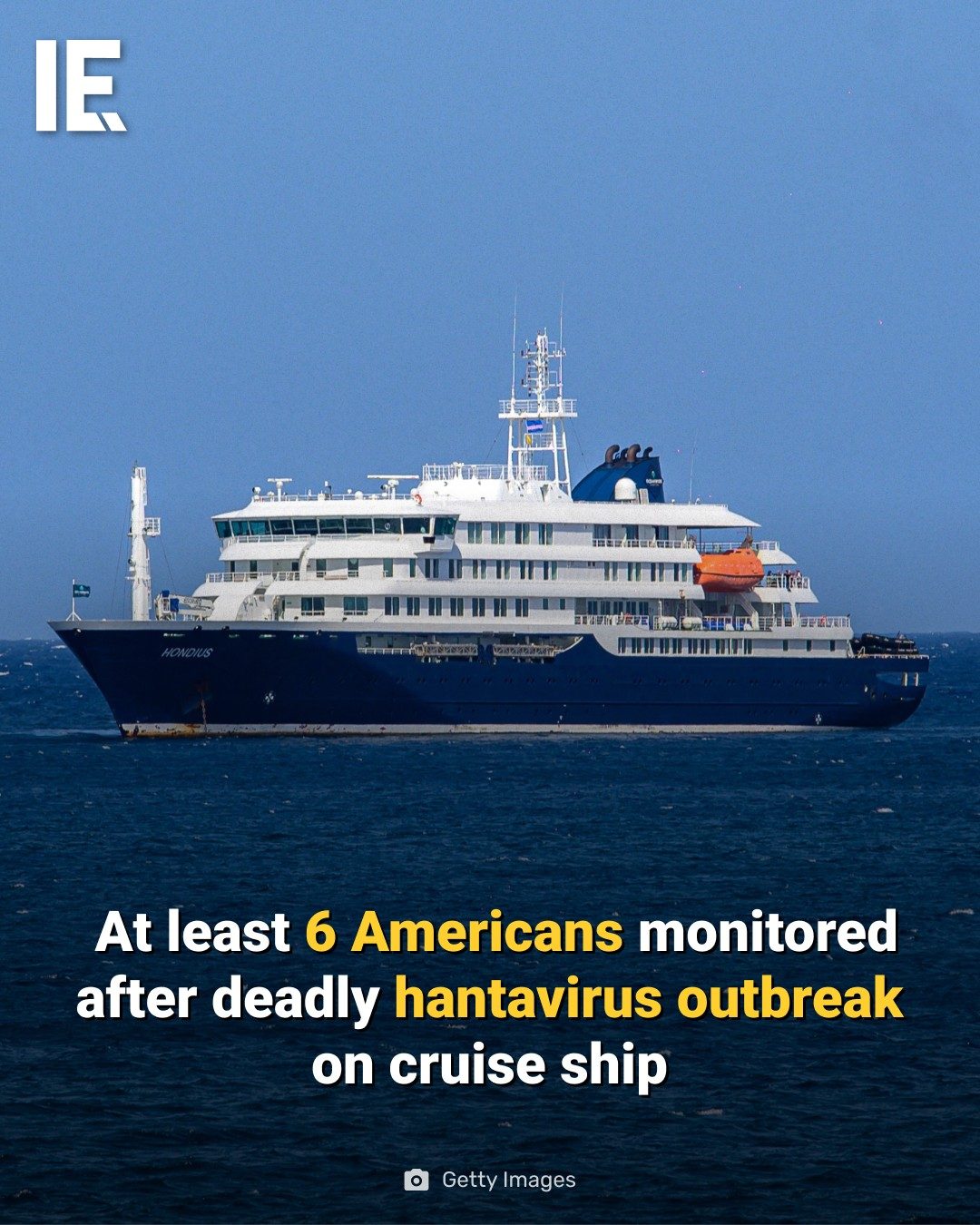
Cruise Ship Outbreak: Hantavirus on the MV Hondius
Health officials from at least 12 countries are working to trace passengers from the MV Hondius cruise ship after a deadly hantavirus outbreak affected the voyage. This outbreak, linked to the Andes strain of hantavirus, is particularly concerning because it is one of the few strains known to transmit between humans.
A hantavirus outbreak on a cruise ship is a rare and alarming event. The MV Hondius, sailing under clear blue skies, has been the focus of intensive investigations as health authorities monitor at least six Americans across five states. The situation is critical: three passengers have died, and multiple confirmed and suspected cases are under investigation.
Why This Matters
Cruise ships are popular vacation destinations, offering a blend of relaxation and adventure. However, outbreaks such as this one highlight the potential risks of confined spaces and the rapid spread of infectious diseases. Understanding the hantavirus and its implications is crucial for both travelers and healthcare professionals to ensure safety and preparedness.
The Risk of Hantavirus
Hantaviruses are typically spread through contact with infected rodents, but the Andes strain can transmit between humans. This makes it particularly dangerous in confined environments like cruise ships, where close quarters and shared spaces can accelerate the spread of the virus.
The Andes Strain: A Unique Threat
The Andes strain of hantavirus is notable for its human-to-human transmission capabilities. Unlike other strains, which usually require contact with infected rodents, the Andes strain can be transmitted through close contact with an infected individual. This unique characteristic underscores the significance of the outbreak and the urgent need for comprehensive monitoring and containment measures.
Tracking and Monitoring Passengers
Global Efforts and Coordination
Health officials in at least 12 countries, including the United States, are collaborating to trace passengers from the MV Hondius. This global effort involves thorough monitoring and investigation to identify potential cases and prevent further spread. The coordination among different nations is essential for effectively managing an outbreak of this scale.
Monitoring and Testing
At least six Americans from five different states are under monitoring. This proactive approach aims to detect any symptoms early and administer necessary medical care. The monitoring process involves regular health check-ups, symptom screening, and testing for hantavirus.
Preventive Measures
Preventive measures are being implemented to ensure the safety of passengers and crew members. These measures include strict hygiene protocols, isolation of affected individuals, and enhanced sanitation practices on the ship. Passengers are also advised to avoid close contact with rodents and practice good hygiene to minimize the risk of infection.
The Impact of the Outbreak
Human Toll and Economic Impact
The outbreak has resulted in significant human and economic costs. The loss of lives, multiple confirmed and suspected cases, and the need for extensive monitoring and treatment have put a strain on resources. Additionally, the cruise industry may face economic repercussions, including cancellations and potential loss of revenue.
Public Health Implications
The outbreak highlights the importance of public health surveillance and preparedness. Cruise ships, with their large passenger numbers and close quarters, are potential hotspots for disease outbreaks. Health authorities must continue to improve surveillance systems and protocols to detect and respond to such events promptly.
Practical Tips for Travelers
Stay Informed
Before embarking on a cruise, stay informed about the health status of the destination and the vessel. Check for any travel advisories or warnings issued by health authorities. This information can help you make informed decisions about your travel plans.
Practice Good Hygiene
Maintain good hygiene practices during your cruise. Wash your hands frequently, avoid close contact with rodents, and follow any hygiene protocols recommended by the cruise line. These simple steps can go a long way in preventing the spread of infectious diseases.
Know the Symptoms
Familiarize yourself with the symptoms of hantavirus infection. Early symptoms may include fever, muscle aches, and fatigue, which can progress to more severe respiratory issues. If you experience any of these symptoms, seek medical attention immediately.
Report Symptoms Promptly
If you or someone you know develops symptoms consistent with hantavirus infection, report them to the ship's medical staff or health authorities without delay. Prompt reporting and medical intervention can help manage the condition effectively and prevent its spread.
Important Takeaways
Health officials from at least 12 countries are working to trace passengers from the MV Hondius cruise ship after a deadly hantavirus outbreak. The Andes strain, known for its human-to-human transmission, has resulted in multiple confirmed and suspected cases and three fatalities.
The outbreak underscores the importance of global coordination, extensive monitoring, and preventive measures. It also highlights the need for travelers to stay informed, practice good hygiene, and be aware of the symptoms of hantavirus infection.
Cruise ships offer unique experiences, but they also pose potential risks. By understanding the threats and taking necessary precautions, travelers can enjoy their trips while minimizing health risks.
Conclusion
The hantavirus outbreak on the MV Hondius cruise ship serves as a stark reminder of the potential dangers of infectious diseases in confined spaces. Global efforts to trace and monitor passengers, along with preventive measures, are crucial for managing the outbreak and preventing further spread.
As travelers, it is essential to stay informed, practice good hygiene, and be proactive in seeking medical attention if needed. By taking these steps, we can ensure a safer and more enjoyable travel experience for everyone.
Watch the Reel
Questions readers ask
What makes the hantavirus outbreak on the MV Hondius cruise ship so concerning?
The outbreak is particularly alarming because it involves the Andes strain of hantavirus, which is one of the few strains known to spread from person to person. This poses a significant risk in confined spaces like cruise ships. Additionally, the virus has already led to multiple deaths and has health officials from various countries collaborating to manage the situation.
Why is the Andes strain of hantavirus different from other strains?
The Andes strain of hantavirus is notable for its ability to transmit between humans, unlike many other hantavirus strains that typically spread from rodents to humans. This human-to-human transmission capability makes it more dangerous, particularly in environments where people are in close proximity, such as on a cruise ship.
How many passengers have been affected by the hantavirus outbreak on the MV Hondius?
The outbreak has resulted in at least three deaths. Six Americans are currently under monitoring across five states, with several confirmed and suspected cases being investigated. The total number of affected passengers may change as health officials continue their investigations.
What measures are being taken to address the hantavirus outbreak on the MV Hondius?
Health officials from at least 12 countries are working together to trace passengers and monitor their health. This includes tracking the movements of individuals who were on the ship and implementing health monitoring protocols for those who may have been exposed. The goal is to prevent further spread and manage the outbreak effectively.
What should passengers do if they were on the MV Hondius cruise ship during the outbreak?
If you were a passenger on the MV Hondius, it is crucial to monitor your health closely for any symptoms related to hantavirus. Contact local health authorities immediately if you experience symptoms such as fever, muscle aches, or shortness of breath. Follow any guidelines provided by health officials to ensure your safety and the safety of others.
How does the confined space of a cruise ship impact the spread of hantavirus?
The close quarters on a cruise ship can facilitate the spread of viruses like hantavirus. The limited space means passengers are in close contact with each other, increasing the risk of transmission, especially with a strain like the Andes virus that can spread from person to person.
What are the symptoms of hantavirus infection?
Symptoms of hantavirus infection can include fever, fatigue, muscle aches, headaches, chills, and abdominal problems. In severe cases, it can lead to Hantavirus Pulmonary Syndrome (HPS), which causes shortness of breath, coughing, and fluid in the lungs. If you experience these symptoms, seek immediate medical attention.
Recent articles
Fresh deep dives from the latest Reels we unpacked.




Comments
Be the first to comment.