Hantavirus Outbreak on Cruise Ship MV Hondius
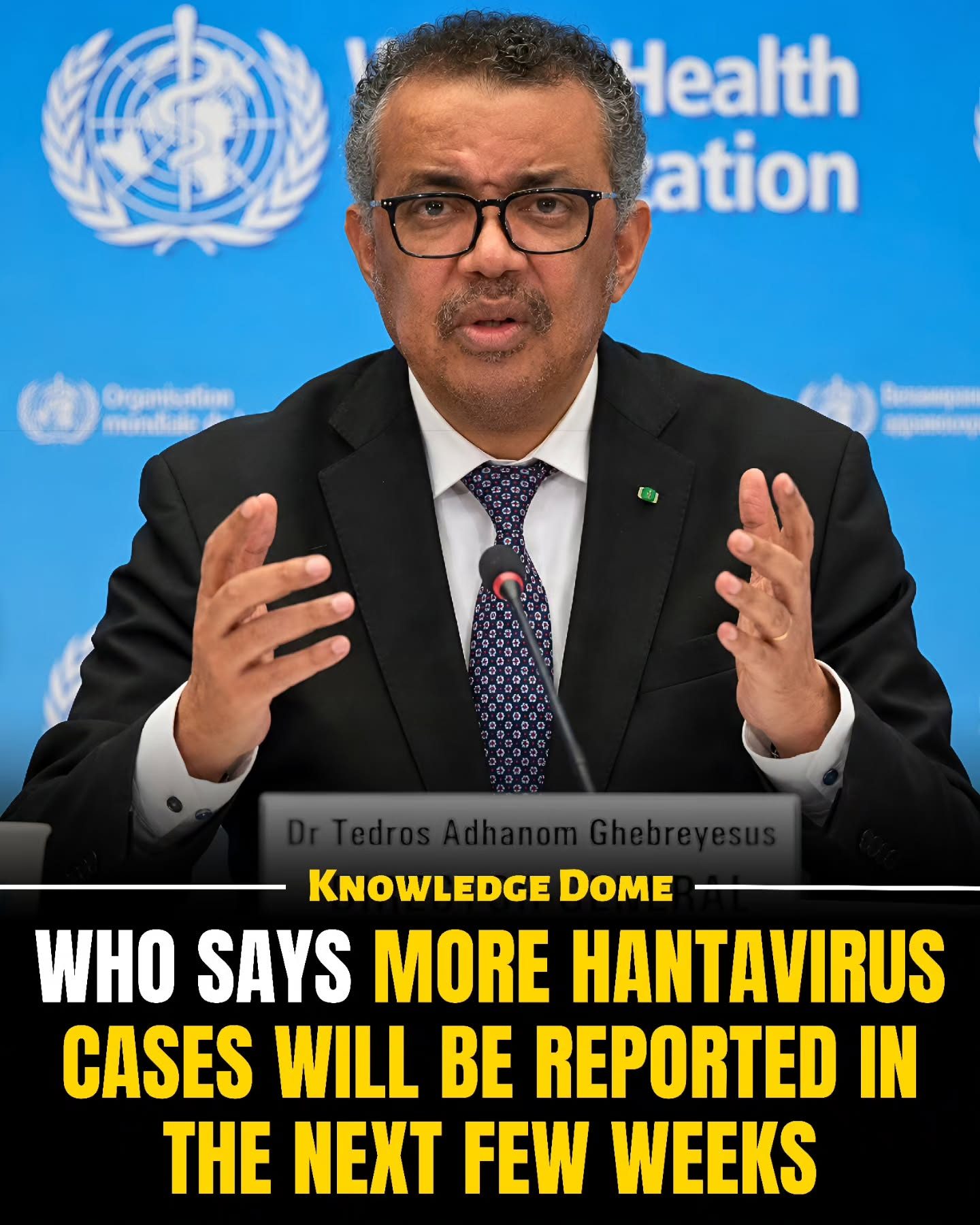
The World Health Organization (WHO) has reported a significant cluster of hantavirus cases on the cruise ship MV Hondius, which had sailed from Argentina. This outbreak, first reported on May 2, 2026, involves 147 passengers and crew members. By May 8, 2026, officials had confirmed 8 cases: 3 confirmed cases, 5 suspected cases, and 3 fatalities. The situation is being closely monitored as experts warn that more cases could emerge over the next few weeks, given that symptoms can take up to six weeks to appear.
Context / Why This Matters
The hantavirus outbreak on the MV Hondius is particularly concerning because the ship has traveled to multiple countries, and passengers and crew members have dispersed. This dispersal complicates contact tracing efforts. Health teams in several countries are now collaborating to monitor and prevent the spread of the virus. The WHO has not recommended travel bans at this time, emphasizing that the global public health risk remains low. However, the Andes strain of hantavirus, which can spread from person to person in close or enclosed settings, poses a serious threat.
Understanding the Andes Strain of Hantavirus
Hantavirus is typically spread by rodents, but the Andes strain has the unique ability to pass from person to person, particularly in close or enclosed settings like cruise ships. Early symptoms of the Andes strain can mimic those of the flu, including:
- Fever
- Headache
- Muscle aches
- Stomach issues such as nausea, vomiting, or diarrhea
The Current Situation
As of May 8, 2026, the MV Hondius has recorded 8 cases. Officials are conducting thorough contact tracing and monitoring for any new illness. The ship is undergoing extensive cleaning and disinfection to prevent further spread. The public health response involves multiple jurisdictions, as passengers and crew have now traveled to various countries.
The Global Public Health Risk
Despite the gravity of the situation, the WHO has assessed the global public health risk as low. Unlike COVID-19, hantavirus does not spread easily between people. However, the potential for further cases to emerge in the coming weeks is a concern, as symptoms can take up to six weeks to manifest. The WHO is closely monitoring the situation and coordinating with health officials in affected regions.
Practical Tips
For those who may have been in contact with individuals from the MV Hondius, it is essential to stay vigilant and recognize the symptoms. Early detection can significantly improve treatment outcomes. If you experience any of the following symptoms, seek medical attention:
- Fever
- Headache
- Muscle aches
- Nausea
- Vomiting
- Diarrhea
In severe cases, hantavirus can lead to:
- Breathing problems
- Kidney failure
Important Takeaways
The hantavirus outbreak on the MV Hondius serves as a reminder of the potential for disease spread in close or enclosed settings. Key points to remember:
- Hantavirus, particularly the Andes strain, can spread from person to person in close settings.
- Symptoms may take up to six weeks to appear, making timely diagnosis and treatment challenging.
- The WHO is monitoring the situation and coordinating with health officials to prevent further spread.
- Travel bans are not currently recommended, but vigilance is advised.
- Public health measures, including contact tracing, disinfection, and monitoring, are essential to control the outbreak.
Conclusion
The hantavirus outbreak on the MV Hondius is a serious health concern, but global public health efforts are in place to manage and mitigate the risk. By staying informed, recognizing symptoms, and taking appropriate precautions, we can help prevent the spread of this virus. The WHO remains committed to providing updates and ensuring that affected regions receive the necessary support to control the outbreak effectively.
Watch the Reel
Questions readers ask
What is the current status of the hantavirus outbreak on the MV Hondius?
As of the latest reports, the MV Hondius has experienced a hantavirus outbreak with 8 confirmed or suspected cases and 3 fatalities. The situation is being closely monitored due to the potential for more cases to emerge, as symptoms can take up to six weeks to appear.
How does hantavirus spread, especially in confined spaces like cruise ships?
Hantavirus can spread from person to person, particularly in confined spaces where close contact is more likely. This makes cruise ships a higher risk environment for the transmission of the virus.
What are the typical symptoms of hantavirus and when do they appear?
Symptoms of hantavirus can include fever, muscle aches, and in severe cases, respiratory distress. These symptoms can take up to six weeks to appear after initial exposure to the virus.
What precautions can be taken to prevent the spread of hantavirus on cruise ships?
To prevent the spread of hantavirus, passengers and crew members should maintain good hygiene practices, such as frequent hand washing, avoiding close contact with infected individuals, and following guidelines provided by health authorities. Cruise ship staff should also ensure that living quarters and common areas are well-ventilated and clean.
What actions has the World Health Organization (WHO) taken in response to the hantavirus outbreak on the MV Hondius?
The WHO has closely monitored the outbreak and issued guidelines to help manage and prevent further spread. They have advised on measures such as isolating infected individuals, enhancing surveillance, and providing medical support to those affected. The organization is also tracking the movements of passengers and crew to assess the risk of further spread.
Who is at risk from the hantavirus outbreak on the MV Hondius?
Passengers and crew members who were on board the MV Hondius during the outbreak period are at risk, as well as individuals who have had close contact with infected persons. Due to the ship's travel to multiple countries, the risk extends to those who may have interacted with travelers from the cruise.
Recent articles
Fresh deep dives from the latest Reels we unpacked.




Comments
Be the first to comment.