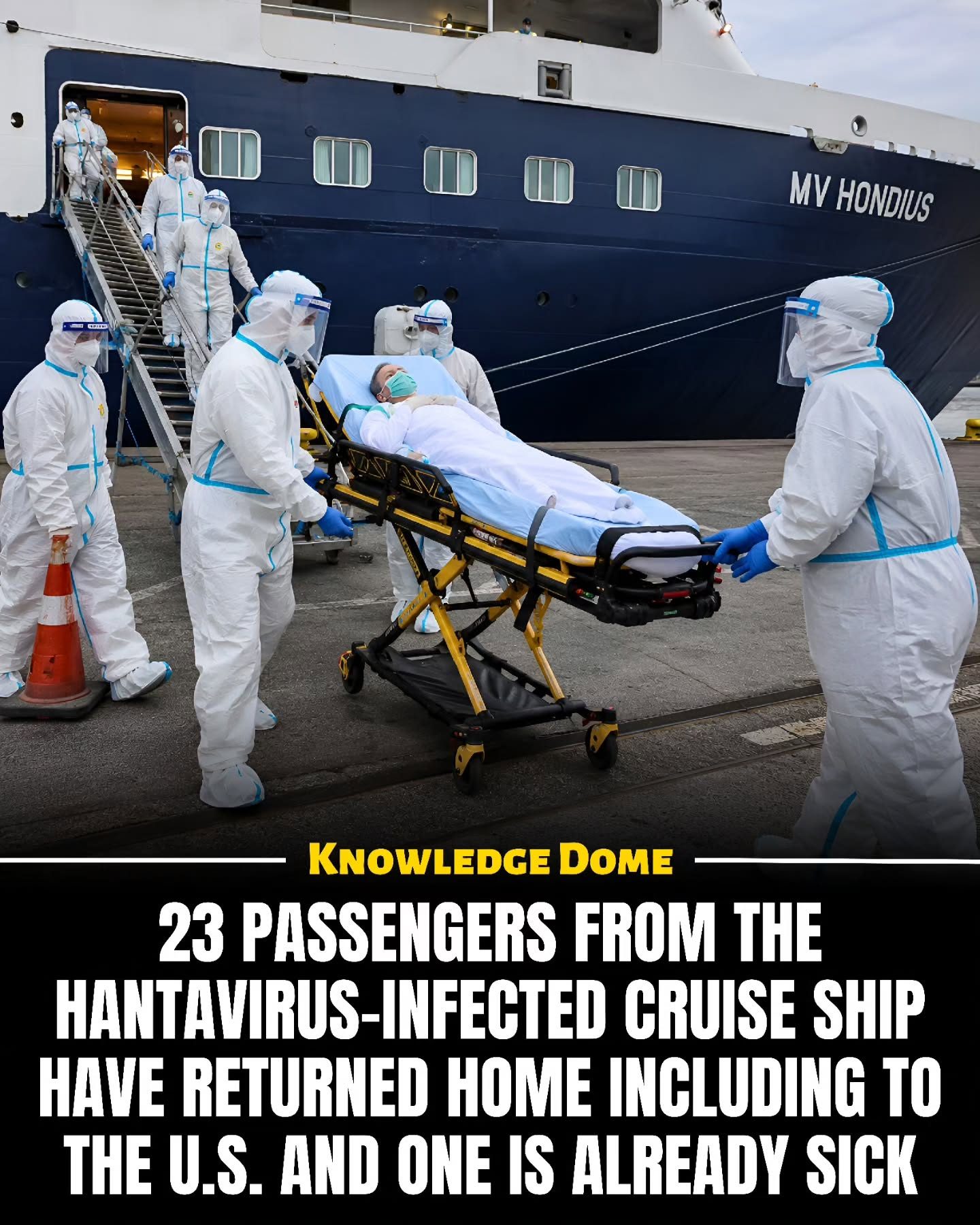
Hantavirus on the MV Hondius: Understanding the Global Response
A cruise ship, the MV Hondius, has been linked to a rare hantavirus outbreak that has garnered international attention. At least 23 passengers disembarked from the vessel and journeyed home to various countries, including the United States, before many even realized they might have been exposed.
Context: Why This Matters
Cruise ships are popular for their ability to transport passengers to multiple destinations in a single trip. However, the close quarters and the variety of ports visited make them potential hotspots for the spread of infectious diseases. This particular outbreak is significant because it involves the Andes strain of hantavirus, which can, in rare cases, spread from person to person, unlike other strains that typically spread through rodent contact.
Understanding the Outbreak
The MV Hondius and Saint Helena
The MV Hondius, a cruise ship operated by the Hondius Group, had stopped at Saint Helena in the South Atlantic. This remote island, known for its volcanic landscapes and unique biodiversity, was the last stop for many of the passengers before they continued their journeys to countries including the United States, the United Kingdom, Australia, and Taiwan. The ship's itinerary and the subsequent travel paths of the passengers have made the outbreak particularly concerning, as it has the potential to affect a wide geographical area.
The Role of Health Officials
Health officials around the world are actively working to trace and monitor everyone who may have been on board the MV Hondius or in contact with the exposed passengers. This process involves meticulous contact tracing, health screenings, and, in some cases, quarantine measures. The World Health Organization (WHO) has stated that while the wider public risk remains low, the illness can be severe, and authorities are moving quickly to ensure containment.
Symptoms and Spread
Hantavirus is typically spread by rodents, but the Andes strain, as in this case, can spread from person to person through close contact. Symptoms of hantavirus infection can include fever, muscle aches, and fatigue, often progressing to more severe respiratory issues. Three people have died so far, and others are either sick or under close observation.
Practical Tips for Travelers
Stay Informed
For travelers, staying informed about health advisories and epidemic updates is crucial. The Centers for Disease Control and Prevention (CDC) and the World Health Organization (WHO) regularly issue updates and guidelines on outbreak situations. Keep an eye on official health communications, especially if you are planning to travel to or from areas affected by outbreaks.
Practice Good Hygiene
Maintaining good hygiene practices is essential, especially in confined spaces like cruise ships. Regular handwashing, using hand sanitizers, and avoiding close contact with individuals showing symptoms can help prevent the spread of infectious diseases.
Be Aware of Symptoms
Familiarize yourself with the symptoms of common travel-related illnesses. If you experience fever, muscle aches, or respiratory issues after traveling, seek medical attention promptly. Early diagnosis and treatment can significantly improve outcomes.
Follow Local Guidelines
Adhere to local health guidelines and regulations, especially in regions with known health risks. This may include wearing protective gear, undergoing health screenings, or adhering to quarantine measures upon arrival or departure.
Important Takeaways
The outbreak on the MV Hondius highlights the importance of vigilance and quick response in managing infectious disease outbreaks. The Andes strain of hantavirus, though rare, underscores the need for enhanced surveillance and public health measures to prevent the spread of such diseases. Travelers must stay informed, practice good hygiene, be aware of symptoms, and follow local guidelines to ensure their safety and the safety of others.
Conclusion
The hantavirus outbreak on the MV Hondius serves as a reminder of the potential health risks associated with travel, particularly on cruise ships. While the risk to the wider public remains low, the situation underscores the importance of vigilance, quick response, and adherence to health guidelines. By staying informed, practicing good hygiene, and following local regulations, travelers can play a crucial role in preventing the spread of infectious diseases.
Watch the Reel
Questions readers ask
What makes the hantavirus outbreak on the MV Hondius particularly concerning for global health?
The Andes strain of hantavirus involved in the outbreak is rare and has the potential to spread from one person to another. This, combined with the international travel of passengers, raises concerns about its spread across different countries.
Why is it important to track passengers who were on the MV Hondius?
Tracking passengers is crucial to monitor any potential symptoms, as the incubation period for hantavirus can be up to six weeks. Identifying and isolating those who have been exposed helps prevent the virus's further spread.
How does the global tracking of passengers help in managing the outbreak?
Global tracking allows health authorities to coordinate efforts across borders. It enables quick identification of high-risk areas, facilitates early intervention, and helps implement preventive measures where needed.
What are the implications of the Andes strain of hantavirus being person-to-person transmissible?
The fact that the Andes strain can spread from person to person makes it more dangerous compared to other hantavirus strains. This requires more stringent measures to control the outbreak and prevent it from becoming a global health issue.
How do cruise ships contribute to the spread of infectious diseases like hantavirus?
Cruise ships can act as potential hotspots for infectious diseases due to the close proximity of passengers and the variety of ports they visit. This environment can facilitate the rapid spread of diseases across different regions.
What steps are being taken to manage the health risks associated with the cruise ship hantavirus outbreak?
Health authorities worldwide are actively collaborating to track and monitor passengers who were on board the cruise ship. This involves implementing preventive measures, conducting health screenings, and providing medical support to those who may have been exposed.
Recent articles
Fresh deep dives from the latest Reels we unpacked.




Comments
Be the first to comment.