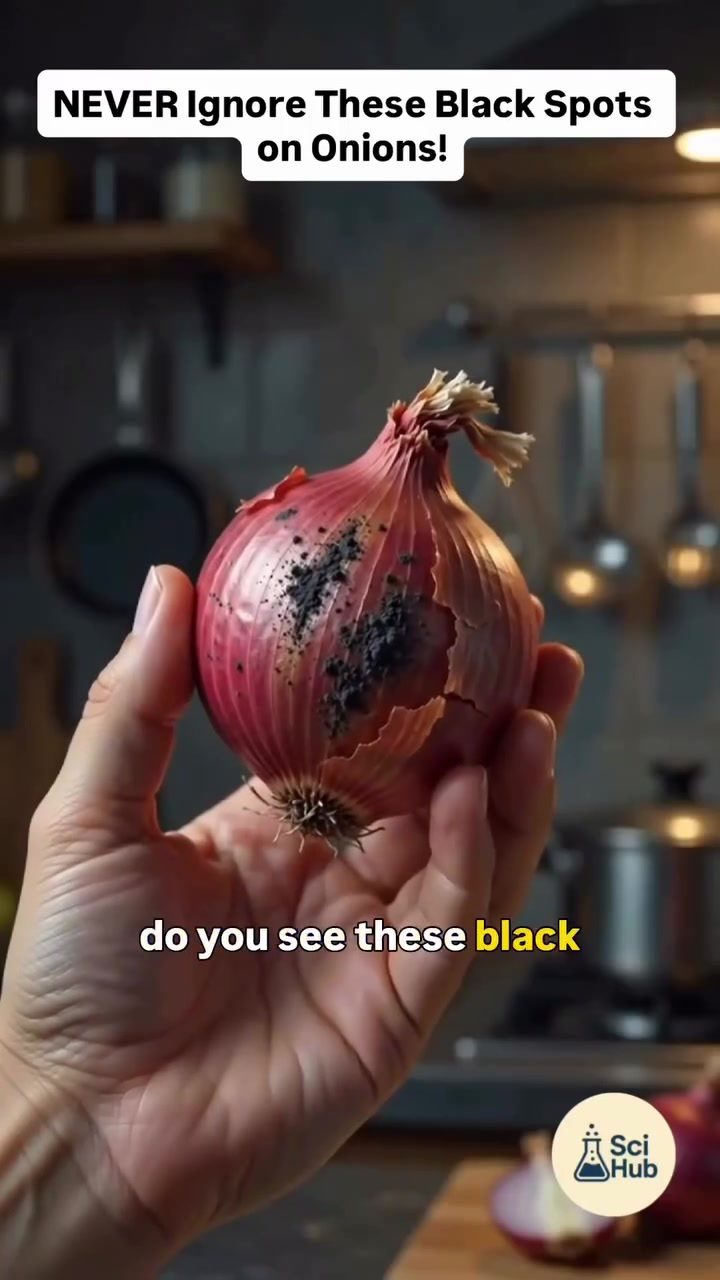
Black Spots on Onions: What You Need to Know
Onions are a staple in many kitchens, but it's not uncommon to find black spots on their surface. These spots can be alarming, but they are often caused by a common fungus called Aspergillus niger. Understanding what these spots mean and how to handle them is crucial for food safety. Here's a detailed guide to help you navigate this issue.
Why This Matters
Aspergillus niger is a type of fungus that frequently grows on onions during storage. While it might seem like just dirt, these black spots can indicate the presence of fungal spores. Recognizing the signs of this fungus and knowing when to discard an onion can help prevent foodborne illnesses and ensure that your meals are safe and healthy.
Understanding Black Spots on Onions
What Causes Black Spots on Onions?
The black spots on onions are typically caused by Aspergillus niger, a fungus that thrives in storage conditions. This fungus produces spores that can spread easily, making onions susceptible to contamination. The fungus can affect the outer skin of the onion and, in some cases, spread inside if not handled properly.
Identifying the Fungus
Determining whether the black spots are harmless or a sign of deeper contamination is essential. The good news is that most onions with minor surface mold aren't automatically dangerous. However, it's important to inspect the onion carefully. If the mold is only on the dry outer skin, it's generally safe to peel away several layers and use the onion. If the onion is soft, slimy, has a foul smell, or the mold has spread inside, it should be discarded immediately.
The Science Behind Aspergillus niger
Aspergillus niger is a ubiquitous fungus that grows on various food items, including onions. It produces black spores that can appear as black spots on the surface of the onion. While the fungus itself is not always harmful, it can produce mycotoxins under certain conditions, making it necessary to handle onions with care. The fungus thrives in warm, humid environments, which are common in storage areas. Understanding the growth conditions of Aspergillus niger can help prevent contamination and ensure food safety.
Handling Onions with Black Spots
Inspecting the Onion
When you encounter black spots on an onion, the first step is to inspect it thoroughly. Look for signs of spoilage, such as a soft texture, slimy surface, or foul smell. If the fungus is only on the outer skin, you can carefully peel away several layers. Inspect the inside to ensure it is healthy and free from mold. If you notice any signs of spoilage, discard the onion immediately.
When to Discard an Onion
Discarding an onion is not always necessary, but certain conditions warrant immediate disposal. If the onion is soft, slimy, has a foul smell, or shows signs of mold spread inside, it should be thrown away. Spoiled onions are never worth the risk, as consuming moldy food can lead to foodborne illnesses. Always err on the side of caution and discard any onion that shows signs of significant spoilage.
Practical Tips
Storing Onions Properly
Proper storage can help prevent the growth of Aspergillus niger and other fungi. Store onions in a cool, dry place with good ventilation. Avoid storing onions in plastic bags, as this can trap moisture and promote fungal growth. Instead, keep onions in a well-ventilated container or a mesh bag. Regularly inspect your stored onions for signs of spoilage.
Cleaning and Preparing Onions
When preparing onions, always wash them thoroughly under running water. This helps remove any surface dirt or fungal spores. After washing, pat the onions dry before peeling or cutting. Use clean utensils and surfaces to minimize the risk of contamination. If you encounter black spots, follow the inspection guidelines to determine whether the onion is safe to use.
Special Considerations
People with weakened immune systems or mold allergies should be particularly cautious when handling moldy foods. It's best to avoid moldy onions completely to prevent potential health risks. Always follow food safety recommendations and consult a healthcare provider if you have concerns about your health.
Important Takeaways
The Key to Food Safety
Understanding the causes and prevention of black spots on onions is crucial for food safety. Always inspect onions carefully and follow proper storage and handling guidelines. If you're unsure about the safety of an onion, it's better to discard it rather than risk consuming spoiled food.
Follow the Science
Viral posts often exaggerate the dangers of moldy onions, but it's essential to follow evidence-based recommendations. Science-backed information from reliable sources like SciHub can help you make informed decisions about food safety. By following the guidelines provided, you can ensure that your meals are safe and healthy.
Conclusion
Black spots on onions are a common occurrence, but they don't always indicate a significant problem. By understanding the causes and proper handling techniques, you can safely enjoy your onions. Always inspect onions carefully, and if in doubt, discard them. Proper storage and hygiene practices can help prevent the growth of Aspergillus niger and ensure that your onions remain safe and healthy to use.
Watch the Reel
Questions readers ask
What causes black spots on onions?
Black spots on onions are primarily caused by the fungus Aspergillus niger. This fungus thrives in warm, humid conditions and can contaminate onions during storage, leading to the appearance of black spots.
Are onions with black spots safe to eat?
Onions with black spots are not always safe to eat. The black spots indicate the presence of fungal spores, which can cause foodborne illnesses. If you notice black spots, it's best to discard the onion or remove a small section around the spots if they are minimal, but exercise caution.
How can I prevent black spots on my onions?
To prevent black spots, store onions in a cool, dry place with good ventilation. Avoid storing them in plastic bags or in the refrigerator, as these conditions can promote fungal growth. Proper air circulation and maintaining a temperature around 40-45°F (4-7°C) can help keep onions fresh and mold-free.
What should I do if I find black spots inside an onion?
If you find black spots inside an onion, it's best to discard the entire onion. The fungal spores can spread throughout the onion, making it unsafe to consume. Always check onions thoroughly before using them in your meals.
Can I remove the black spots and still use the onion?
If the black spots are very small and only on the surface, you can carefully cut away the affected area, ensuring you remove at least a half-inch around the spot. However, if the spots are extensive or if you notice any discoloration or softness inside the onion, it is safer to discard the entire onion.
How should I store onions to minimize the risk of black spots?
Store onions in a single layer in a cool, dry, well-ventilated area. Avoid stacking them or storing them in high-humidity environments. A mesh bag, onion keeper, or even a pantry shelf with adequate air flow can help prevent the development of black spots.
What are the signs that an onion has gone bad besides black spots?
Besides black spots, signs that an onion has gone bad include a strong, unpleasant odor, soft or mushy texture, and any discoloration or visible mold. If you notice these signs, it's best to discard the onion to avoid any potential health risks.
Recent articles
Fresh deep dives from the latest Reels we unpacked.




Comments
Be the first to comment.