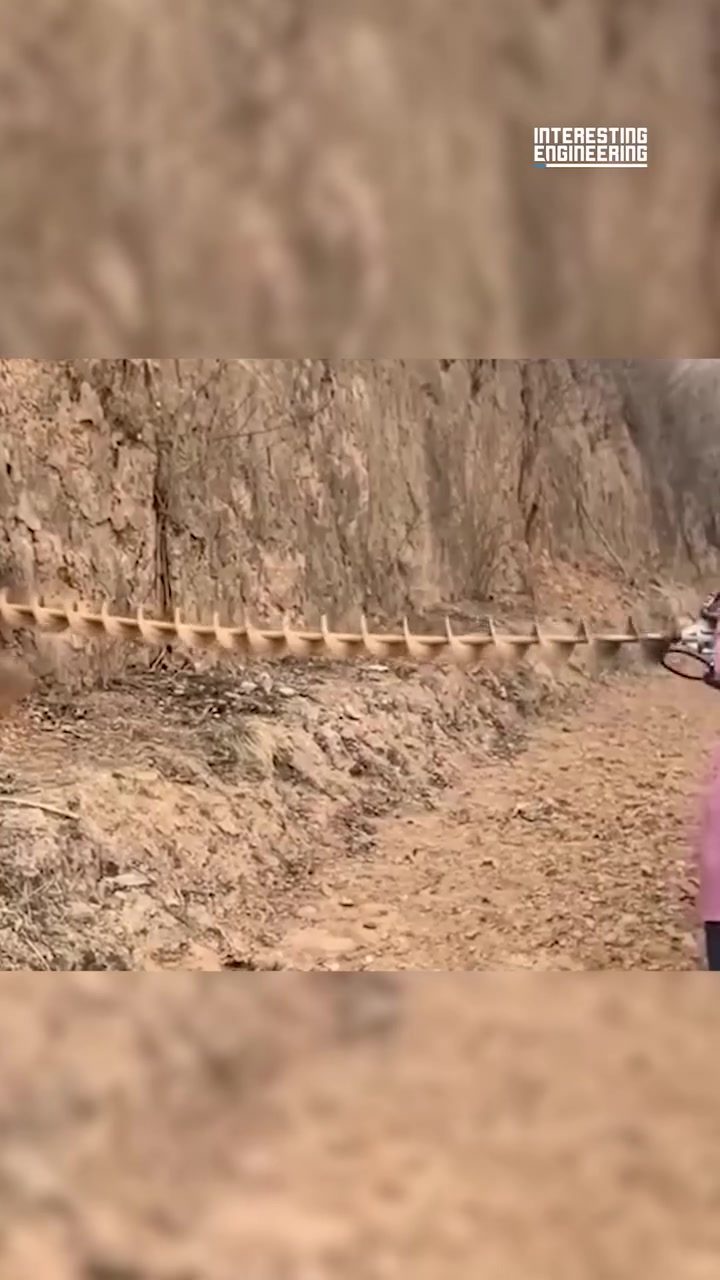
Understanding Tunnel Boring Machines: A Closer Look
Tunnel boring machines (TBMs) are engineering marvels used to excavate tunnels with precision and efficiency. These machines come in various sizes and types, each designed for specific tunneling projects. One of the most intriguing aspects of TBMs is their versatility, from massive machines used in large-scale infrastructure projects to compact, handheld augers for smaller excavations.
Context: Why This Matters
Tunnel boring machines play a crucial role in modern infrastructure development. They are essential for creating underground pathways for transportation, utilities, and even residential needs. Understanding how these machines work and their applications can provide valuable insights into the complexities of underground construction and the advancements in engineering technology.
The Basics of Tunnel Boring Machines
Types of TBMs
TBMs can be categorized into several types based on their design and the method they use to excavate soil. The most common types include:
- Shielded TBMs: These machines have a protective shield that supports the tunnel walls during excavation. They are ideal for use in unstable soil conditions.
- Open-faced TBMs: These do not have a protective shield and are typically used in more stable soil conditions. They are faster but require careful management of the soil to prevent cave-ins.
- Slurry TBMs: These use a slurry mixture to support the tunnel walls and remove the excavated soil. They are particularly effective in water-bearing soils.
Components of a TBM
A typical TBM consists of several key components:
- Cutting Head: This is the front part of the machine that cuts through the soil or rock. The design of the cutting head can vary depending on the type of material being excavated.
- Trailing Gear: This includes the conveyor belts, hydraulic systems, and other components that support the cutting head and move the excavated material out of the tunnel.
- Control System: Modern TBMs are equipped with advanced control systems that manage the machine's operations, monitor performance, and ensure safety.
The Process of Soil Excavation
Excavation Techniques
TBMs use different excavation techniques depending on the soil type and project requirements. For example, in soil excavation, the cutting head rotates and breaks down the soil, which is then transported out of the tunnel. In rock excavation, the cutting head may have additional tools such as disc cutters to break through the harder material.
Soil Removal
Once the soil is excavated, it needs to be removed from the tunnel to allow the TBM to progress. This is typically done using conveyor belts or slurry systems. The conveyor belts transport the soil to the surface, while slurry systems use a mixture of water and soil to move the material out of the tunnel.
Supporting the Tunnel
As the TBM progresses, it is essential to support the tunnel walls to prevent collapse. This can be done using various methods such as:
- Ring Construction: Pre-cast concrete rings are used to line the tunnel walls, providing structural support.
- Shotcrete: A sprayable concrete mixture is applied to the tunnel walls to reinforce them.
- Steel Arches: Steel arches are installed to support the tunnel walls and prevent collapse.
Practical Tips for Working with TBMs
Safety Precautions
Working with TBMs requires strict safety protocols. Some essential safety precautions include:
- Proper Training: Operators and crew members must be adequately trained in the operation and maintenance of the TBM.
- Regular Maintenance: Regular inspections and maintenance are crucial to ensure the machine operates safely and efficiently.
- Emergency Protocols: Establish clear emergency protocols in case of accidents or equipment failure.
Efficient Operation
To maximize the efficiency of a TBM, consider the following tips:
- Optimize Cutting Head: Ensure the cutting head is designed for the specific soil or rock type being excavated.
- Monitor Performance: Use advanced control systems to monitor the machine's performance and make real-time adjustments.
- Manage Soil Removal: Efficiently manage the removal of excavated material to prevent bottlenecks and delays.
Important Takeaways
Tunnel boring machines are indispensable tools in modern engineering, especially for underground construction projects. Their versatility and efficiency make them suitable for a wide range of applications, from large-scale infrastructure to residential excavations. Understanding the different types of TBMs, their components, and the excavation process can provide valuable insights into their operation and maintenance.
Conclusion
Tunnel boring machines represent a significant advancement in engineering technology, enabling the construction of underground infrastructure with precision and efficiency. By understanding the basics of TBMs, their components, and the excavation process, one can appreciate the complexities and innovations involved in underground construction. Whether you are involved in large-scale infrastructure projects or smaller residential excavations, TBMs offer reliable and efficient solutions for your tunneling needs.
Watch the Reel
Questions readers ask
What exactly is a handheld tunnel boring machine?
A handheld tunnel boring machine is a compact, portable device designed for small-scale tunneling projects. It's a specialized tool that enables precise horizontal and directional drilling, making it ideal for projects that require accuracy and minimal space.
How does a handheld tunnel boring machine differ from a traditional auger boring machine?
While both are used for underground tunneling, a handheld tunnel boring machine is much smaller and more portable, designed for handheld operation. Traditional auger boring machines, on the other hand, are larger and typically require more space and setup. Handheld machines are better suited for tight, confined spaces.
What are the primary applications of handheld tunnel boring machines?
Handheld tunnel boring machines are primarily used for small-scale tunneling projects, such as installing underground utilities, creating precise pathways, and infrastructure development. They are invaluable for projects that require precise, compact tunneling solutions, especially in urban environments.
Can a handheld tunnel boring machine be used for vertical drilling?
Handheld tunnel boring machines are typically designed for horizontal directional drilling. While they may have some limited vertical drilling capabilities, they are primarily optimized for horizontal and directional tunneling tasks. For vertical drilling, other specialized tools are usually more appropriate.
What are the advantages of using a handheld tunnel boring machine for small-scale projects?
Handheld tunnel boring machines offer several advantages, including portability, precision, and the ability to navigate tight spaces. They are also cost-effective for small-scale projects, as they reduce the need for large-scale equipment and extensive setup. Additionally, they minimize disruption to the surrounding area, making them ideal for urban and residential settings.
How do handheld tunnel boring machines contribute to infrastructure development?
Handheld tunnel boring machines play a significant role in infrastructure development by enabling the creation of precise underground pathways. They are essential for installing utilities, enhancing transportation systems, and supporting residential projects. Their compact size and precision make them ideal for complex, small-scale tunneling tasks within urban environments.
What are the key differences between handheld tunnel boring machines and horizontal directional drilling?
While both are used for underground tunneling, Handheld tunnel boring machines are typically smaller, more portable, and used for short, precise tunneling projects. Horizontal directional drilling, on the other hand, involves creating a curved or angled path underground by pushing or pulling a drill string. This is better suited for longer, more complex paths, as opposed to the precise, compact tunneling offered by handheld boring machines.
Related deep dives
Similar reads based on topic and creator.


Recent articles
Fresh deep dives from the latest Reels we unpacked.




Comments
Be the first to comment.