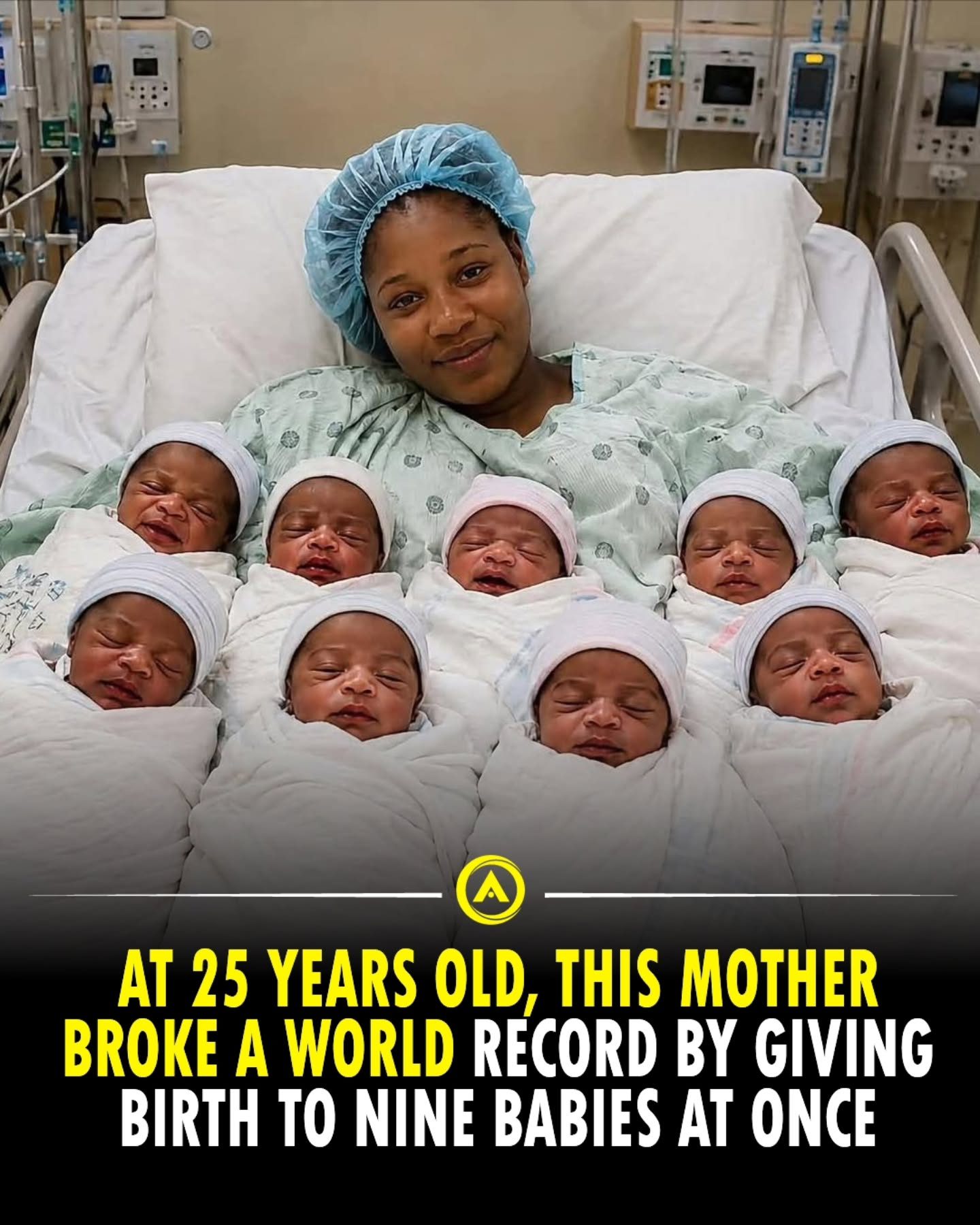
The Extraordinary Story of Halima Cissé and Her Nine Babies
In May 2021, Halima Cissé, a 25-year-old woman from Mali, made history. At the Ain Borja clinic in Casablanca, Morocco, she gave birth to nine babies—a feat that has never been achieved before.
Why This Matters
The birth of nonuplets, or nine babies in a single delivery, is an incredibly rare and complex medical event. The survival of all nine babies is an even more extraordinary outcome. This event sheds light on the advancements in medical technology and the dedication of healthcare professionals in managing high-risk pregnancies and multiple births.
The Remarkable Birth
The Pregnancy and Delivery
Doctors initially believed Halima Cissé was carrying seven babies, not making the correct assessment of her condition until later. The pregnancy was closely monitored, and she received specialized care. The babies were delivered by caesarean section at around 30 weeks, each weighing between roughly 500 grams and one kilogram. This early delivery required immediate and intensive medical intervention.
The Medical Team
The successful delivery and subsequent survival of the nonuplets required a large specialist medical team. The medical team's expertise and dedication were crucial in managing the complexities of such a high-risk birth. The babies received intensive care for several months before they were able to return home with their family to Mali.
The World Record
The birth of the nine babies was recognized by Guinness World Records as the most children delivered in a single birth to survive. This milestone underscores the significance of the event and the ground-breaking medical support that made it possible.
Challenges and Triumphs
Medical Challenges
The births of nonuplets present numerous challenges. Premature births, especially at 30 weeks, carry significant risks. Each baby was extremely small, requiring specialized neonatal care. The medical team had to manage various complications, including respiratory distress, feeding difficulties, and the risk of infections.
The Importance of Specialist Care
The success of this case underscores the importance of specialist care in managing high-risk pregnancies and multiple births. The medical team's expertise, combined with advanced medical technology, was instrumental in the survival of all nine babies.
Practical Tips for Multiple Births
For those expecting multiple births, understanding the unique challenges and preparations involved is crucial. Here are some practical tips:
Early and Regular Check-Ups
Regular monitoring and early intervention can significantly improve outcomes. Expectant mothers should have frequent check-ups with a specialist to monitor the health and development of the babies.
Seek Specialized Care
Choosing a healthcare provider with expertise in multiple births can make a substantial difference. Specialists in maternal-fetal medicine and neonatology can provide the necessary care and support.
Preparation for Premature Births
Understanding the potential for premature births and the associated risks can help families prepare. This includes learning about neonatal intensive care units (NICUs) and the specialized care required for premature babies.
Emotional and Psychological Support
The emotional and psychological challenges of a multiple birth are significant. Families should seek support from counselors, support groups, and other resources to help cope with the stress and uncertainty.
Important Takeaways
The story of Halima Cissé and her nine children highlights several important points:
- Medical Advancements: The survival of all nine babies underscores the advancements in medical technology and the expertise of healthcare professionals.
- Specialist Care: The critical role of specialist care in managing high-risk pregnancies and multiple births.
- World Record: The recognition by Guinness World Records highlights the rarity and significance of this event.
- Community Support: The medical team and the community’s support played a crucial role in ensuring the survival and well-being of the babies.
Conclusion
The birth of nine babies to Halima Cissé is a testament to the incredible advancements in medical care and the dedication of healthcare professionals. This extraordinary event not only sets a world record but also provides valuable insights into the complexities and triumphs of managing multiple births. For families expecting multiple births, seeking specialized care, understanding the potential challenges, and preparing for the journey ahead can make a significant difference. The story of Halima Cissé and her nine children serves as an inspiring example of what is possible with the right medical support and community backing.
Watch the Reel
Questions readers ask
Who is Halima Cissé and why is she notable?
Halima Cissé is a 25-year-old woman from Mali who made history in 2021 by giving birth to nine babies, known as nonuplets. She is the first woman to have successfully delivered nine babies, making her a remarkable case in medical history.
Where and when did the nonuplets birth take place?
The birth took place in May 2021 at the Ain Borja clinic in Casablanca, Morocco. This location was chosen for its advanced medical facilities and expertise in handling high-risk pregnancies.
What makes the birth of nonuplets so rare and significant?
The birth of nonuplets is extremely rare; the survival of all nine babies is even more extraordinary. This event highlights the progress in medical technology and the crucial role of healthcare professionals in managing complex pregnancies.
How did the medical team manage the pregnancy and delivery?
The medical team at the Ain Borja clinic in Casablanca had to navigate unique challenges. Initially, they believed Halima was carrying seven babies, but upon further examination, they confirmed nine. They employed advanced medical techniques and constant monitoring to ensure the safety of both the mother and the babies.
What is the significance of Halima Cissé's record-breaking birth?
Halima Cissé's birth of nonuplets sets a new world record, surpassing the previous highest number of babies born to a woman. It underscores medical advancements and the dedication of healthcare professionals in managing such high-risk pregnancies.
What are the challenges associated with multiple births, such as nonuplets?
Multiple births, particularly of nine babies, present significant challenges. These include the risk of premature birth, low birth weight, and the need for specialized neonatal care. The survival and health of each baby require meticulous monitoring and intervention. Additionally, the mother's health is at risk due to the physical demands of carrying and delivering multiple babies.
What role did the medical team play in the survival of the nonuplets?
The medical team at the Ain Borja clinic played a pivotal role. They utilized advanced medical technology and continuous monitoring to manage the high-risk pregnancy. The dedication and expertise of the healthcare professionals were essential in ensuring the survival of all nine babies. The team's efforts also focused on the mother's well-being, providing the necessary support throughout the pregnancy and delivery.
Recent articles
Fresh deep dives from the latest Reels we unpacked.




Comments
Be the first to comment.