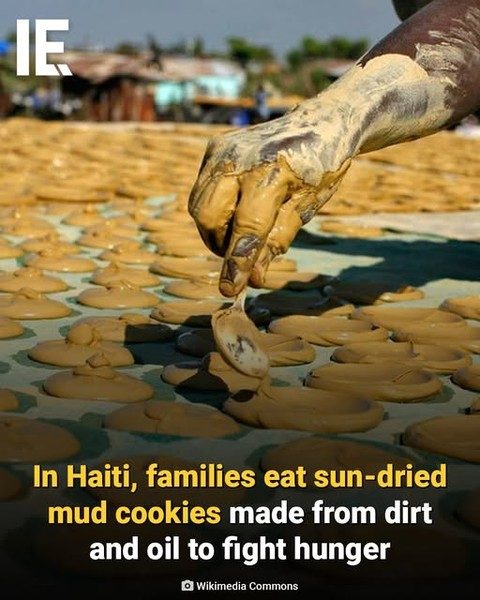
Mud Cookies in Haiti
Sun-dried "mud cookies," a stark symbol of food insecurity, are a grim reality for some families in Haiti. These cookies, made from a mix of clay, salt, and oil, gained global attention during the 2008 food crisis. Despite their lack of nutritional value, these clay discs were sometimes consumed to suppress hunger or soothe stomachs in times of extreme poverty.
Why This Matters
The existence of mud cookies highlights the severe food insecurity and global inequality surrounding access to basic nutrition. Understanding this phenomenon provides insight into the harsh realities faced by some of the world's most vulnerable populations. It underscores the urgent need for sustainable solutions to combat hunger and poverty.
Main Discussion
The Ingredients and Preparation
Mud cookies, as the name suggests, are primarily made from dirt. Specifically, they are crafted from clay, which is mixed with salt and oil to form a dough. This mixture is then shaped into small, flat discs resembling traditional cookies. The cookies are sun-dried, a method that hardens them and makes them easier to store.
The Purpose Behind Mud Cookies
The primary purpose of mud cookies is to provide a sense of fullness or to help settle stomachs when food is scarce. In times of extreme poverty, these cookies offer a temporary solution to the gnawing hunger. They are not a nutritious or sustainable food source but rather a desperate measure to cope with severe food insecurity.
Historical Context
Mud cookies gained global attention during the 2008 food crisis. The images of families consuming these clay discs became a stark symbol of the profound food insecurity and global inequality that exists. The crisis exposed the harsh reality that millions of people around the world face—living in conditions where basic nutrition is not guaranteed.
The Global Impact
The images of families eating mud cookies served as a wake-up call for many, drawing attention to the urgent need for action. They highlighted the disparities in access to nutrition and the chronic food insecurity that plagues parts of Haiti and other impoverished regions. This awareness has spurred discussions and initiatives aimed at addressing global hunger and poverty.
Practical Tips
While the concept of mud cookies is grim, it offers practical lessons in understanding and combating food insecurity. Here are some actionable steps that can be taken to address the issue:
Support Sustainable Agriculture
Promoting sustainable agricultural practices can help increase food production and improve food security. This includes supporting local farmers, investing in agriculture, and developing irrigation systems to ensure consistent crop yields.
Improve Food Distribution
Efficient food distribution systems can ensure that surplus food reaches those in need. This involves improving logistics, reducing food waste, and creating effective supply chains that can transport food to areas with high levels of food insecurity.
Education and Awareness
Raising awareness about food insecurity and its causes is crucial. Education campaigns can inform the public about the challenges faced by vulnerable populations and encourage support for initiatives aimed at addressing hunger.
Policy and Advocacy
Advocating for policies that address food insecurity and poverty is essential. This includes pushing for policies that support agriculture, improve food distribution, and provide social safety nets for vulnerable populations.
Community Initiatives
Local community initiatives can play a significant role in addressing food insecurity. Programs that provide meals, support urban gardening, and offer nutrition education can make a tangible difference in the lives of those affected.
Important Takeaways
Mud cookies in Haiti serve as a stark reminder of the global inequality surrounding access to basic nutrition. The existence of these cookies highlights the urgent need for sustainable solutions to combat hunger and poverty. Understanding the context and the impact of this phenomenon can inform efforts to address food insecurity and improve the lives of vulnerable populations.
Conclusion
Mud cookies are a grim reminder of the harsh realities faced by families in Haiti and other impoverished regions. While these cookies offer almost no nutritional value, they represent a desperate measure to cope with extreme hunger and poverty. Addressing food insecurity requires a multifaceted approach, including sustainable agriculture, efficient food distribution, education, policy advocacy, and community initiatives. By understanding the context and impact of mud cookies, we can work towards creating a world where access to basic nutrition is a reality for all.
Watch the Reel
Questions readers ask
What are Haitian mud cookies made of?
Haitian mud cookies are made from a simple mix of clay, salt, and oil. These basic ingredients are combined to form a dough, which is then shaped into small discs and sun-dried. They are not meant to be nutritious but rather to curb hunger and hunger pains.
Why do people in Haiti eat mud cookies?
People in Haiti turn to mud cookies in times of extreme poverty and food shortage. These cookies are consumed to suppress hunger or to soothe stomachs when there is a lack of sufficient food. This practice highlights the severe food insecurity and global inequality that exists in the country.
Are mud cookies a recent phenomenon in Haiti?
Mud cookies gained global attention during the 2008 food crisis, but their consumption is not a new practice. These sun-dried discs have been a grim reality for some families in Haiti for a long time, eaten out of necessity rather than choice.
What can be done to address the food insecurity in Haiti?
Addressing food insecurity in Haiti requires sustainable solutions to combat hunger and poverty. This can involve improving access to basic nutrition, promoting agricultural development, and implementing effective poverty reduction strategies. Support from the international community is also needed to tackle these challenges effectively.
How do mud cookies relate to global food insecurity?
Mud cookies serve as a stark symbol of the global food insecurity and inequality that exists today. They represent the harsh realities faced by some of the world's most vulnerable populations, underscoring the urgent need for action to address hunger on a global scale.
What are some of the key facts about food insecurity in Haiti?
Haiti faces severe food insecurity, with many families relying on non-food items like mud cookies to endure periods of extreme poverty. This crisis is exacerbated by factors such as natural disasters, political instability, and a lack of economic opportunities, making it a complex challenge to address.
What is the nutritional content of mud cookies?
Mud cookies have no nutritional value, lacking any significant vitamins, minerals, or calories. They are consumed in desperate times, not to provide nourishment, but to alleviate hunger pains and provide a sense of fullness when food is scarce. This underscores the severity of the food crisis in Haiti.
Recent articles
Fresh deep dives from the latest Reels we unpacked.




Comments
Be the first to comment.