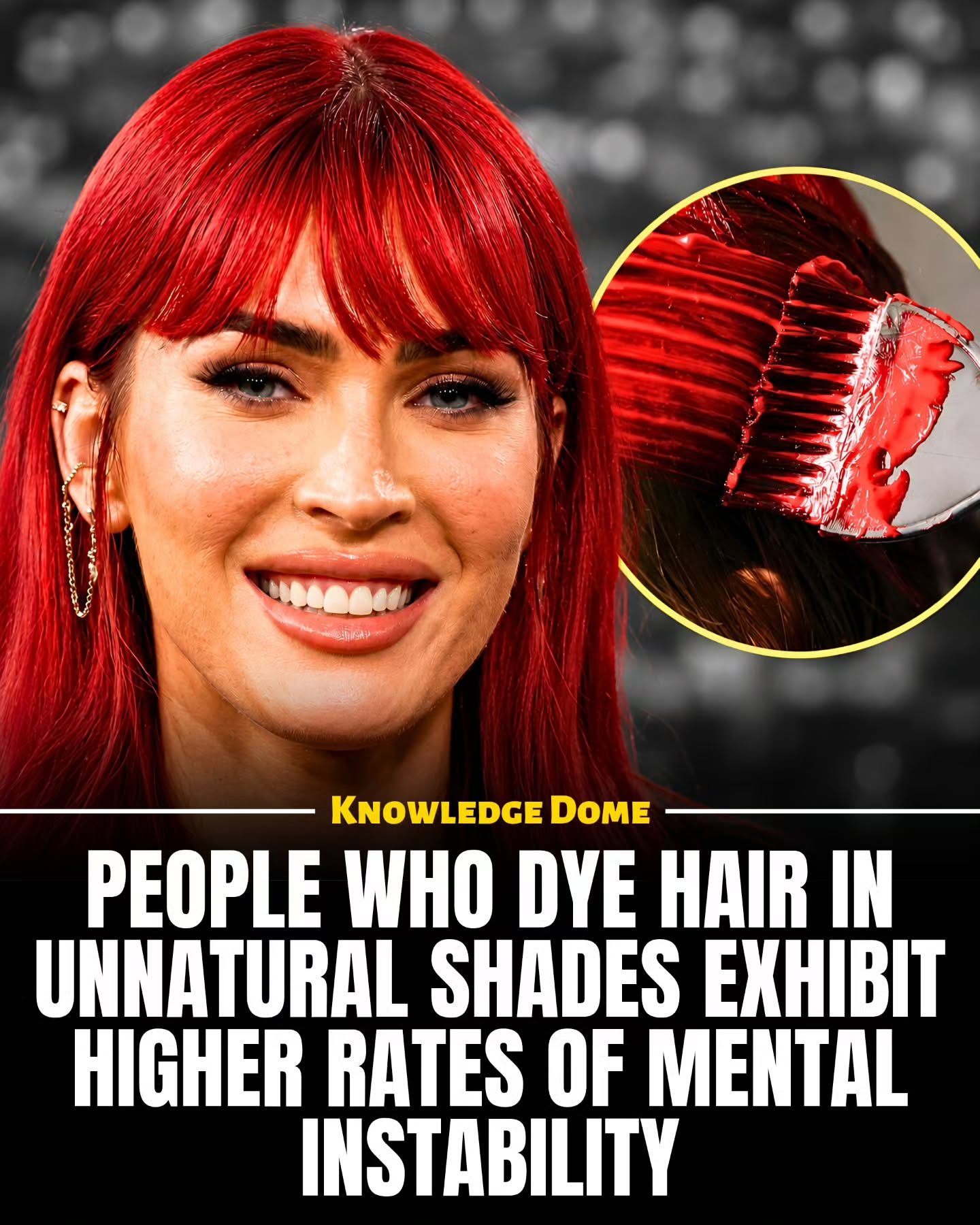
Hair Dye and Mental Health: Exploring the Link
Unusual hair colors, such as blue, pink, and red, have become increasingly popular in recent years. These vibrant shades are often seen as a form of self-expression, allowing individuals to showcase their unique personalities. However, a 2022 observational study titled “Blue Hair and the Blues” published in the Psychreg Journal of Psychology has sparked a discussion by exploring a potential link between unconventional hair colors and mental health. The study analyzed data from nearly 18,000 OKCupid users and found that individuals with bright, unnatural hair colors reported higher rates of depression and emotional distress.
Why This Matters
The study's findings highlight an important intersection between physical appearance and mental well-being. Understanding this connection can help us better support individuals who express themselves through vibrant hair colors, ensuring they receive the emotional support they may need.
Delving into the Study
Study Design and Findings
The study, "Blue Hair and the Blues," examined data from OKCupid users who reported their hair color as part of their profiles. The researchers compared this information with self-reported mental health data, including rates of depression, emotional distress, and therapy use.
Key findings include:
- Higher Rates of Depression: Individuals with unnatural hair colors, such as blue, pink, and red, reported higher rates of depression compared to those with natural hair colors.
- Emotional Distress: The study also found more signs of emotional distress in this group.
- Therapy Use: There was a higher percentage of therapy users among those with vibrant hair colors.
Correlation vs. Causation
It is crucial to emphasize that the study found a correlation, not a causal relationship. This means that having colorful hair does not directly cause depression or emotional distress. Instead, the study suggests that there may be underlying factors at play. People who feel different, lonely, or upset might choose to dye their hair in vivid shades as a form of self-expression or to align with a counter-cultural identity. This could then be linked to feelings of depression.
Counter-Cultural Identity
The researchers suggested that vibrant hair colors might be used to express a counter-cultural identity. People who already feel different or marginalized might use bright hair colors to showcase their individuality and non-conformity. This is an important point to consider, and it highlights the complexity of self-expression and mental health.
Practical Tips for Supporting Individuals with Unusual Hair Colors
Encouraging Conversations
If you know someone with vibrant hair and are concerned about their mental health, start a conversation. Express your support and let them know you are there to listen. Sometimes, simply having someone to talk to can make a significant difference.
Promoting Mental Health Resources
Encourage them to seek help if needed. There are numerous resources available, including therapy, support groups, and mental health hotlines. Helping them access these resources can provide the support they need to manage their mental health.
Important Takeaways
Understanding the Connection
The study indicates that there is a connection between bright hair colors and mental health, but it does not mean that one causes the other. It suggests that individuals with unconventional hair colors may already be dealing with emotional distress or depression, and their hair color is a way of expressing their unique identity.
Supporting Self-Expression
It is essential to support and celebrate self-expression, whether it involves vibrant hair colors or other forms of personal style. Understanding the potential underlying factors can help us provide better support and resources for those who need it.
Seeking Professional Help
If you or someone you know is struggling with mental health issues, do not hesitate to seek professional help. Mental health professionals can provide the support and guidance needed to manage these challenges effectively.
Conclusion
The link between unusual hair colors and mental health is a complex and multifaceted topic. While the study "Blue Hair and the Blues" provides valuable insights, it is important to approach this subject with empathy and understanding. By supporting individuals who express themselves through vibrant hair colors and encouraging open conversations about mental health, we can create a more inclusive and supportive environment for everyone.
Watch the Reel
Questions readers ask
How does the color of your hair dye potentially affect mental health?
The color of your hair dye may influence mental health. A 2022 study found that people with vibrant, unnatural hair colors reported higher rates of depression and emotional distress, compared to those with natural hair colors.
What specific hair colors were associated with higher rates of depression and emotional distress?
The study highlighted bright, unnatural hair colors such as blue, pink, and red. These vibrant shades were linked to higher rates of depression and emotional distress among individuals who use them.
Why might there be a connection between unnatural hair colors and mental health issues?
The exact cause of the link between unnatural hair colors and mental health is not definitively known, but it could be due to various factors. These factors could include social stigma, underlying personal issues, or even the coping mechanisms individuals use to deal with their mental health struggles.
Who conducted the study on the link between bright hair colors and mental health?
The study was conducted by researchers and was published in the Psychreg Journal of Psychology. It was titled “Blue Hair and the Blues.”
What was the sample size of the study on the link between hair dye and mental health?
The study analyzed data from nearly 18,000 users from the dating site OKCupid. This provided a substantial sample size for examining the potential link between hair dye color and mental health issues.
Can changing your hair color to a vibrant shade cause depression?
The study does not prove that changing your hair color causes depression. Instead, it suggests a correlation between individuals who choose to dye their hair in vibrant, unnatural colors and those who report higher rates of depression and emotional distress.
Related deep dives
Similar reads based on topic and creator.

Recent articles
Fresh deep dives from the latest Reels we unpacked.




Comments
Be the first to comment.