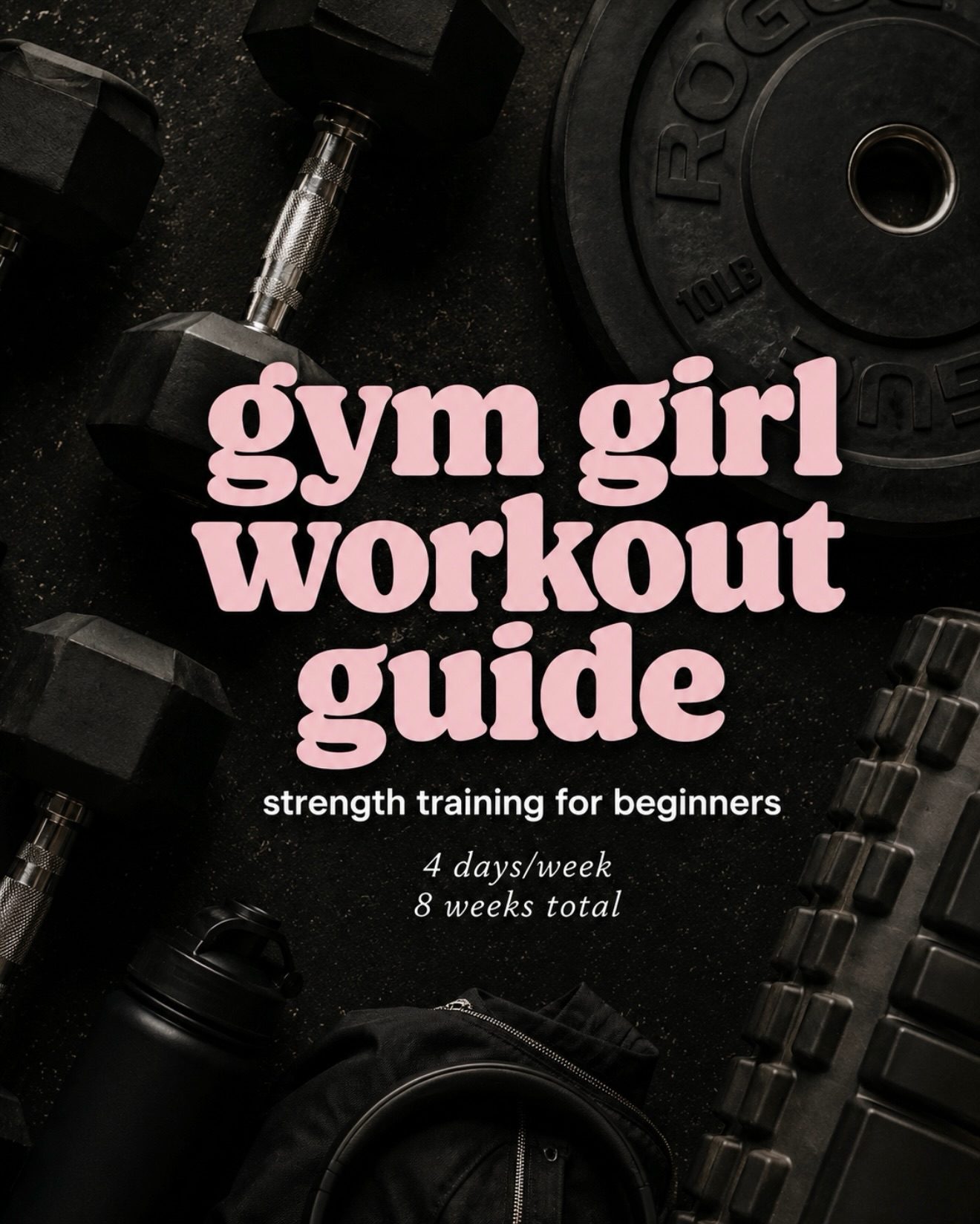
Starting Your Gym Journey: A Comprehensive Beginner Workout Guide
Starting a gym routine can be daunting, but with the right guide, anyone can build confidence, get stronger, and feel healthier. This guide is designed for beginners who want to tone up without overcomplicating things and finally stop feeling lost in the gym. You don’t need 2-hour workouts, fancy supplements, a perfect diet, extreme cardio, or to "earn" your spot in the gym. Consistency is key.
Why This Matters
Embarking on a fitness journey is more than just about aesthetics; it's about building habits that last. Many people quit because they try to change everything overnight. This guide focuses on starting simple, learning the basics, and progressing slowly. Your confidence will grow with every workout, and that's what matters most.
The 4-Day Beginner Split
This workout plan is structured into a 4-day split, focusing on different muscle groups each day. The program runs for 8 weeks, ensuring a comprehensive approach to strength training for beginners.
Day 1: Glutes and Legs
Warm-Up:
- 10 minutes of cardio (walking, jogging, or cycling)
Exercises:
- Goblet Squats
- Dumbbell Deadlifts
- Walking Lunges
- Leg Press
- Calf Raises
Day 2: Upper Body
Warm-Up:
- 10 minutes of walking, jogging, or running
- Banded shoulder warm-up
Exercises:
- Lat Pulldowns
- Single-Arm Cable Rows
- Dumbbell Overhead Press
- Dumbbell Lateral Raises
- Bicep Curls
- Tricep Extensions
Core Finisher:
- 15 seconds plank (each side)
- 15 seconds hip dips (each side)
- 15 in-and-outs
- 20 seconds regular plank
Day 3: Glutes and Hamstrings
Warm-Up:
- 15 minutes of cardio (running, walking, biking, StairMaster, or jump rope)
Mobility:
- Leg swings
- Lunges
- Hamstring stretch
- Standing quad stretch
- 90/90 hip flexor stretch
Exercises:
- Romanian Deadlifts (RDL)
- Single-Leg Hip Thrust (with dumbbells)
- Hamstring Curls
- Bulgarian Split Squats
Core Finisher:
- Hollow Hold
- Flutter Kicks
- Tuck-Ups
- Lying Leg Lifts
Day 4: Core and Cardio
Warm-Up:
- 10 minutes of light cardio
Exercises:
- Planks (various types)
- Bicycle Crunches
- Leg Raises
- Russian Twists
Cardio:
- 20 minutes of moderate-intensity cardio (choose your preferred activity)
The Workit App: Making Fitness More Motivating
The Workit app is designed to make fitness more motivating and rewarding for beginners. With features like water intake tracking, goal setting, and a balance/wallet section, the app offers a reward system for healthy habits. Users can follow workouts, stay accountable, hit daily movement goals, and even earn Bitcoin while staying active.
Practical Tips for Success
- Start Simple: Begin with basic exercises and gradually increase the intensity.
- Consistency is Key: Aim for 4 days a week, 8 weeks total. Consistency will build habits that last.
- Focus on Form: Proper form and mind-muscle connection are crucial for effective workouts.
- Listen to Your Body: Pay attention to how your body feels and adjust your workouts accordingly.
- Stay Accountable: Use tools like the Workit app to track your progress and stay motivated.
Important Takeaways
- Progress isn’t always dramatic at first. Sometimes it looks like showing up consistently, feeling stronger week by week, having more energy, improving your mood, and becoming more confident in your own body.
- Building habits that last is more important than perfection. Focus on consistency and gradual progress.
- Use tools and apps to stay motivated. The Workit app can help you track your progress, stay accountable, and even earn rewards for your efforts.
Conclusion
Starting your gym journey doesn't have to be intimidating. With the right guide and tools, you can build confidence, get stronger, and feel healthier. Remember, progress isn’t always dramatic at first, but every step counts. Stay consistent, focus on building habits, and use tools like the Workit app to stay motivated and accountable. Your fitness journey is a marathon, not a sprint, so take it one step at a time and enjoy the process.
Watch the Reel
Questions readers ask
What equipment do I need to start my gym workout journey?
You don't need any fancy equipment to begin. Start with basic tools like dumbbells, a barbell, and resistance bands. As you progress, you can incorporate more advanced equipment. The key is to focus on proper form and gradually increase intensity.
How often should I work out in the gym as a beginner?
The workout plan suggests a 4-day routine, which is a great starting point. This allows you to target different muscle groups throughout the week, giving them time to recover. For example, you could work out Monday to Thursday, with Friday to Sunday as rest days.
I'm new to the gym and struggle with motivation. Any tips for staying consistent?
One of the best ways to stay consistent is to set achievable goals. Break down your fitness journey into smaller milestones. Celebrate small victories and track your progress. Having a friend to workout with can also boost your motivation.
What are some effective glute exercises for beginners?
Great glute exercises for beginners include squats, lunges, and glute bridges. These exercises can be done with just your body weight or with added resistance like dumbbells. Focus on proper form to target the glutes effectively and avoid injury.
Is it necessary to do cardio along with strength training?
Incorporating cardio into your routine can enhance your overall fitness and support your strength training. Aim for 20-30 minutes of moderate cardio, such as brisk walking, cycling, or swimming, 2-3 times a week. This can help with weight management and cardiovascular health.
What are some good upper body exercises for women?
Upper body exercises can include push-ups, dumbbell rows, and shoulder presses. These exercises help tone and strengthen your arms, back, and shoulders. Start with lighter weights and focus on proper form to build a solid foundation.
How can I measure my progress beyond just looking in the mirror?
Track your progress by keeping a workout journal. Note down the exercises you do, the weights you lift, and how many reps you complete. Over time, you'll see improvements in your strength and endurance. Additionally, taking measurements or using a fitness app can provide tangible data on your progress.
Recent articles
Fresh deep dives from the latest Reels we unpacked.




Comments
Be the first to comment.