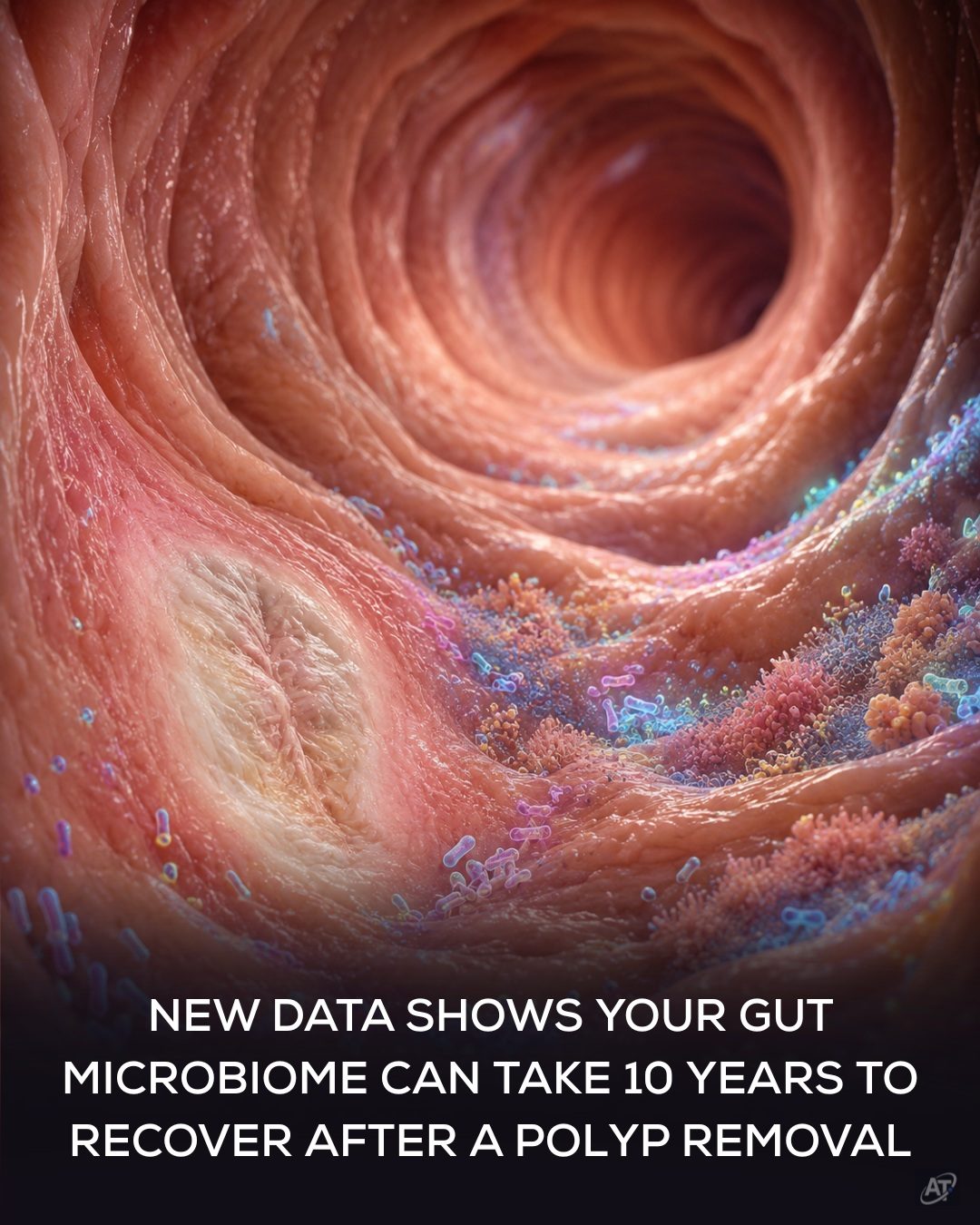
Gut Microbiome Recovery After Polyp Removal
The gut microbiome's recovery after the removal of a precancerous colon polyp is a complex process that can take over a decade. Recent research from Harvard T.H. Chan School of Public Health sheds light on how the gut environment remains altered even years after the procedure. This underscores the importance of understanding the long-term impacts on gut health and the need for ongoing surveillance and lifestyle adjustments.
Why This Matters
Colorectal adenomas, or polyps, are precancerous growths that can be removed through procedures like colonoscopy. While the removal of these polyps is crucial for preventing colorectal cancer, the broader impact on the gut microbiome is less understood. Research indicates that the gut environment may remain altered for more than a decade, affecting overall health and potentially increasing the risk of future complications.
The Science Behind Gut Microbiome Recovery
Researchers at Harvard T.H. Chan School of Public Health conducted a study involving 708 women from the Nurses’ Health Study II. Half of these women had previously undergone the removal of a colorectal adenoma, while the others had no history of adenomas. The study collected stool samples from these participants an average of 12 years after the polyps had been removed.
Long-Term Effects on Gut Bacteria and Fecal Metabolites
The study found that even years after polyp removal, participants with a history of adenomas had differences in their gut bacteria and fecal metabolites. Some of these microbial patterns partially resembled those observed in people with colorectal cancer. This suggests that the microbiome may contribute to the elevated long-term risk associated with a history of precancerous polyps.
The Role of Lifestyle
Lifestyle factors also played a significant role in the gut microbiome recovery. Among women who had undergone adenoma removal, less healthy diets and lower physical activity were more strongly associated with microbes commonly elevated in adenomas and colorectal cancer. This highlights the importance of maintaining a healthy lifestyle in supporting gut health and reducing the risk of future complications.
Practical Tips for Supporting Gut Health
Given the complexity of gut microbiome recovery, several practical tips can help support overall gut health and reduce the risk of future complications.
Maintain a Balanced Diet
A balanced diet rich in fiber, fruits, vegetables, and lean proteins can support a healthy gut microbiome. Fiber, in particular, is essential for maintaining a diverse range of gut bacteria, which is crucial for overall gut health.
Stay Physically Active
Regular physical activity is not only beneficial for overall health but also for maintaining a healthy gut. Aim for at least 150 minutes of moderate-intensity or 75 minutes of vigorous-intensity exercise per week.
Regular Colonoscopies
Continue recommended surveillance colonoscopies and follow established guidance on diet, physical activity, and other colorectal-cancer risk factors. Regular screenings can help detect any new polyps early, allowing for timely intervention.
Important Takeaways
- The gut microbiome can take over a decade to fully recover after the removal of a precancerous colon polyp.
- Maintaining a healthy lifestyle, including a balanced diet and regular physical activity, is crucial for supporting gut health.
- Regular colonoscopies and surveillance are essential for early detection and prevention of colorectal cancer.
- The microbiome may contribute to the elevated long-term risk associated with a history of precancerous polyps.
Conclusion
The recovery of the gut microbiome after the removal of a precancerous colon polyp is a complex and lengthy process. Research from Harvard T.H. Chan School of Public Health highlights the importance of understanding this recovery timeline and the role of lifestyle factors in supporting gut health. By maintaining a healthy lifestyle and continuing recommended surveillance, individuals can reduce the risk of future complications and support overall gut health.
Watch the Reel
Questions readers ask
How does colon polyp removal affect the gut microbiome?
Colon polyp removal can significantly alter the gut microbiome. The procedure can disrupt the balance of beneficial bacteria, leading to long-term changes in the gut environment. These alterations may persist for years, potentially influencing overall health and increasing the risk of certain conditions.
What is the typical recovery time for the gut microbiome after polyp removal?
The gut microbiome recovery after polyp removal can take over a decade. This prolonged recovery time is due to the significant disruption caused by the procedure, which can alter the gut environment for many years.
Why is ongoing surveillance important after polyp removal?
Ongoing surveillance after polyp removal is crucial because the gut microbiome may remain altered for an extended period. Regular check-ups can help monitor the gut environment, detect any further changes, and assess the need for additional interventions or lifestyle adjustments.
What lifestyle factors can influence gut microbiome recovery after polyp removal?
Lifestyle factors such as diet, exercise, and stress management can significantly influence gut microbiome recovery. A balanced diet rich in fiber, regular physical activity, and stress-reducing practices can support a healthy gut environment and promote recovery.
Are there specific dietary recommendations for supporting gut health after polyp removal?
Focusing on a diet that includes plenty of fruits, vegetables, and whole grains can support gut health after polyp removal. These foods are rich in fiber, which promotes the growth of beneficial bacteria and helps maintain a healthy gut environment. Additionally, staying hydrated and limiting processed foods can aid in recovery.
How does the long-term impact of polyp removal on the gut microbiome relate to cancer risk?
The long-term impact of polyp removal on the gut microbiome can influence cancer risk. An altered gut environment may affect the body's natural defenses and promote conditions that could increase the likelihood of disease. Ongoing monitoring and lifestyle adjustments can help manage these risks.
Related deep dives
Similar reads based on topic and creator.


Recent articles
Fresh deep dives from the latest Reels we unpacked.




Comments
Be the first to comment.