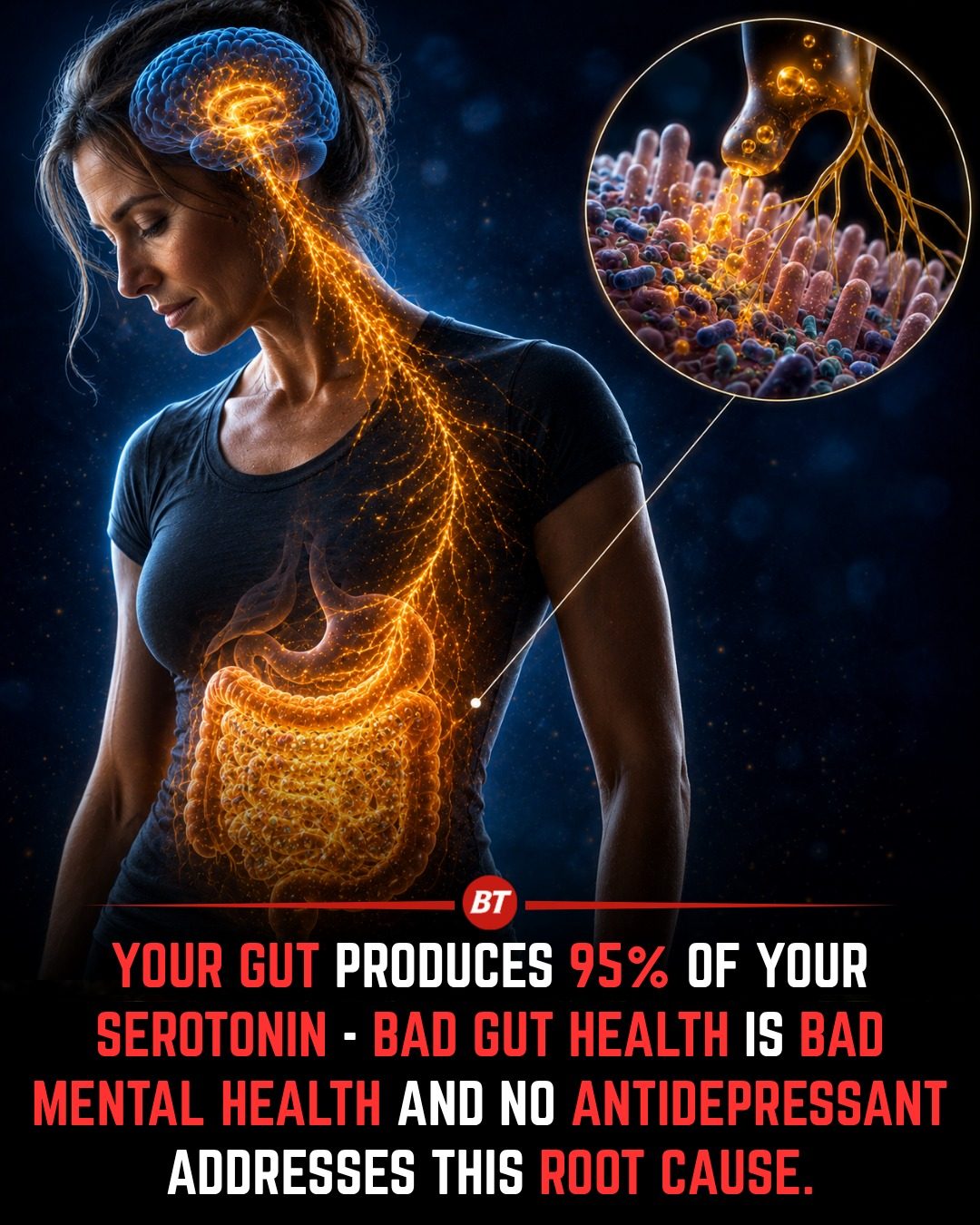
Gut Health and Mental Wellbeing: The Surprising Connection
The connection between gut health and mental wellbeing is a fascinating and increasingly studied field. About 90-95% of the body's serotonin is produced in the gut. This highlights how closely the digestive system and brain are connected through the gut-brain axis. This relationship is not just about the serotonin produced in the gut; it also involves a complex interplay of bacteria, signaling molecules, and other factors.
Context: Why This Matters
The gut-brain axis is a bidirectional communication system between the gut and the brain. This system involves the vagus nerve, the immune system, and the endocrine system. Understanding how the gut influences mental health can provide new insights into managing conditions like depression and anxiety. While antidepressants are commonly used to treat mental health issues, they may not address the root cause if poor gut health is a contributing factor.
The Science Behind Gut Health and Mental Well-being
The Gut-Brain Axis
The gut-brain axis is a complex communication network that connects the digestive system to the brain. This network allows for the exchange of information between the gut and the brain, influencing both physical and mental health. The vagus nerve, which runs from the brainstem to the abdominal organs, plays a crucial role in this communication. It sends signals between the brain and the gut, affecting various bodily functions, including digestion, heart rate, and mood.
Serotonin and the Gut
Serotonin is a neurotransmitter that plays a significant role in regulating mood, appetite, and sleep. Although most of the serotonin produced in the gut does not enter the brain, it still influences mental health through its effects on the digestive system and the nervous system. The specialized cells lining the intestines produce serotonin, which helps regulate digestion and intestinal movement. This serotonin also communicates with the nervous system, affecting overall mental well-being.
The Role of the Gut Microbiome
The gut microbiome consists of trillions of bacteria that live in the digestive tract. These bacteria produce compounds such as short-chain fatty acids, neurotransmitter precursors, and other signaling molecules that communicate with the brain. A healthy gut microbiome is essential for supporting mood, stress resilience, sleep quality, and cognitive function.
Researchers have found that a healthy gut microbiome can contribute to better mental well-being. Diets rich in fiber, fermented foods, fruits, vegetables, and other minimally processed foods are associated with a healthier gut microbiome. These diets promote the growth of beneficial bacteria, which in turn produce compounds that support mental health.
The Impact of Poor Gut Health
Poor gut health can negatively impact mental health in several ways. For example, an imbalanced gut microbiome can lead to inflammation, which has been linked to depression and anxiety. Additionally, an unhealthy gut can disrupt the production of neurotransmitters, affecting mood and cognitive function. Therefore, maintaining a healthy gut is crucial for supporting mental well-being.
Practical Tips for Improving Gut Health
Diet and Nutrition
One of the most effective ways to support gut health is through diet and nutrition. Incorporating fiber-rich foods such as beans, oats, bananas, onions, garlic, and whole grains into your diet can promote the growth of beneficial bacteria in the gut. Fermented foods like kimchi, yogurt, kefir, and sauerkraut are also excellent sources of probiotics, which can help maintain a healthy gut microbiome.
Regular Exercise
Regular exercise has been shown to have a positive impact on both gut and brain health. Physical activity can help reduce inflammation, improve mood, and enhance cognitive function. Aim for at least 30 minutes of moderate exercise most days of the week to support overall health and well-being.
Quality Sleep
Quality sleep is essential for both gut and brain health. During sleep, the body repairs and regenerates tissues, including those in the gut. Poor sleep can disrupt the gut-brain axis, leading to increased stress and decreased mood. Prioritize good sleep hygiene by establishing a consistent sleep schedule, creating a relaxing bedtime routine, and ensuring a comfortable sleep environment.
Stress Management
Chronic stress can negatively impact both gut and brain health. The gut-brain axis is highly sensitive to stress, and prolonged stress can disrupt the balance of bacteria in the gut. Engage in stress-reducing activities such as meditation, yoga, or deep-breathing exercises to support a healthy gut and mind.
Important Takeaways
The connection between gut health and mental well-being is undeniable. A healthy gut microbiome can support mood, stress resilience, sleep quality, and cognitive function. To support both gut and brain health, incorporate a balanced diet rich in fiber and fermented foods, engage in regular exercise, prioritize quality sleep, and manage stress effectively.
Conclusion
Understanding the connection between gut health and mental well-being can provide valuable insights into managing mental health conditions. By supporting a healthy gut microbiome through diet, exercise, sleep, and stress management, individuals can enhance their overall well-being and mental resilience. While gut health is just one piece of the puzzle, it plays a crucial role in the complex interplay of factors that contribute to mental health.
Watch the Reel
Questions readers ask
What is the gut-brain axis and how does it affect mental health?
The gut-brain axis is a bidirectional communication system between the gut and the brain. It involves the vagus nerve, immune system, and endocrine system. This axis allows the gut to influence mental health by producing neurotransmitters like serotonin, which can impact mood and cognitive function.
How does serotonin production in the gut affect mental wellbeing?
Around 90-95% of the body's serotonin is produced in the gut. Serotonin is a neurotransmitter that helps regulate mood, appetite, and sleep. Therefore, a healthy gut can support optimal serotonin production, promoting better mental wellbeing and potentially reducing symptoms of depression and anxiety.
What role does the microbiome play in mental health?
The microbiome, or the community of bacteria in the gut, communicates with the brain through the gut-brain axis. Certain gut bacteria produce neurotransmitters and other signaling molecules that can influence mood and cognitive function. Maintaining a healthy microbiome can support better mental health.
Can improving gut health help manage depression and anxiety?
Yes, improving gut health may help manage symptoms of depression and anxiety. By supporting optimal serotonin production and a healthy microbiome, you can positively influence mood and cognitive function. Always consult a healthcare professional for personalized advice.
What foods can I eat to improve gut health and support mental wellbeing?
To improve gut health, focus on consuming a variety of fiber-rich foods like fruits, vegetables, and whole grains. Probiotic-rich foods, such as yogurt, kefir, and sauerkraut, can also help maintain a healthy microbiome. Additionally, limit processed foods, sugars, and artificial sweeteners, which can negatively impact gut health.
How can stress management techniques improve gut health?
Stress management techniques can improve gut health by reducing the production of stress hormones, which can negatively impact the gut microbiome and increase inflammation. Techniques such as mindfulness, meditation, and deep breathing exercises can help manage stress and promote better gut health and mental wellbeing.
Does gut health influence sleep quality, and if so, how?
Yes, gut health can influence sleep quality. The gut produces most of the body's serotonin, which helps regulate sleep. Additionally, an imbalanced gut microbiome can lead to increased inflammation and stress hormone production, both of which can disrupt sleep. Maintaining good gut health can support better sleep quality.
Related deep dives
Similar reads based on topic and creator.




Recent articles
Fresh deep dives from the latest Reels we unpacked.




Comments
Be the first to comment.