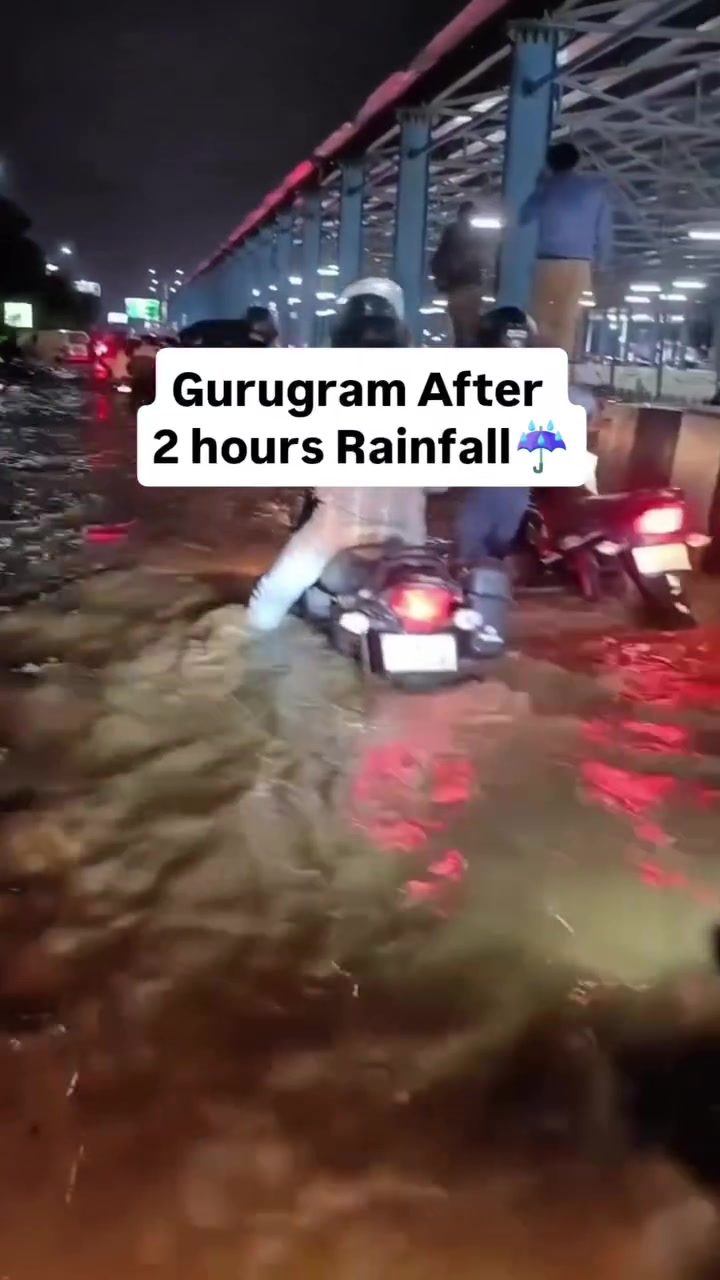
Flooding in Gurugram
Flooding in Gurugram has become a recurring issue, often exacerbating the city’s infrastructure challenges. Urban flooding is a complex problem that requires a deep understanding of both meteorological and civic management factors. Let's dive into the causes, impacts, and responses to this perennial problem.
Context / Why this matters
Gurugram, a major metropolitan area in the National Capital Region (NCR) of India, is highly vulnerable to urban flooding. Heavy rainfall, coupled with inadequate drainage systems and encroachment on natural water bodies, leads to severe flooding. This not only disrupts daily life but also poses significant risks to public safety and infrastructure.
Gurugram's urban landscape is heavily impacted by extreme weather. The city's rapid urbanization and unplanned development have exacerbated the issue, as natural drainage systems are often compromised. Streets become submerged, and essential services are disrupted. Understanding the causes and impacts of flooding is crucial for developing effective mitigation strategies.
Main discussion
Causes of Flooding in Gurugram
Several factors contribute to the frequent flooding in Gurugram.
-
Intense Rainfall: Gurugram experiences heavy rainfall during the monsoon season, which puts immense pressure on the city's drainage systems. The city’s urban infrastructure is often unable to cope with the sudden influx of water, leading to flooding.
-
Inadequate Drainage Systems: The drainage infrastructure in Gurugram is often outdated and insufficient to handle the volume of water during heavy rainfall. Clogged drains and inadequate maintenance further exacerbate the issue, making it difficult for water to drain efficiently.
-
Encroachment on Natural Water Bodies: The encroachment on natural water bodies, such as lakes and ponds, has significantly reduced the city's ability to absorb excess water. These water bodies act as natural reservoirs, and their reduction means more water flows into the city's streets and roads.
-
Rapid Urbanization: The rapid and often unplanned urbanization of Gurugram has led to the construction of buildings and infrastructure without adequate planning for water management. This has resulted in a lack of open spaces and green areas that could otherwise absorb rainwater.
Impacts of Flooding
The impacts of flooding in Gurugram are multifaceted, affecting various aspects of urban life.
-
Disruption of Daily Life: Flooding disrupts daily activities, including commuting and business operations. Streets become impassable, causing extensive traffic congestion and delays. Public transportation systems are also affected, making it difficult for people to reach their destinations.
-
Damage to Infrastructure: Flooding causes significant damage to infrastructure, including damage to roads, bridges, and buildings. This results in substantial financial losses for both the government and private entities.
-
Health Risks: Stagnant water from flooding can become a breeding ground for mosquitoes and other disease-carrying insects. This increases the risk of waterborne diseases, such as cholera and dengue fever, which can have serious health implications for the residents.
Response and Mitigation Strategies
Addressing the issue of flooding in Gurugram requires a comprehensive approach that involves both short-term and long-term measures.
-
Improving Drainage Infrastructure: Upgrading and maintaining the city’s drainage systems is crucial. This includes clearing drains of debris, installing additional drainage points, and ensuring that existing systems are functioning properly. Modernizing the drainage infrastructure to handle heavy rainfall efficiently is essential.
-
Restoring Natural Water Bodies: Efforts to restore natural water bodies can help mitigate flooding. This involves rejuvenating lakes and ponds, which act as natural reservoirs, and ensuring that they are not encroached upon. These bodies of water can absorb excess rainwater, reducing the risk of flooding.
-
Urban Planning and Development: Effective urban planning can help prevent flooding by ensuring that new developments include adequate drainage systems. This involves zoning regulations, green spaces, and sustainable urban designs that incorporate water management features.
-
Public Awareness and Participation: Raising public awareness about the causes and impacts of flooding can encourage community participation in mitigation efforts. This includes educating residents on proper waste disposal, maintaining drains, and reporting issues to local authorities.
Practical tips
Preparing for and managing flood events requires proactive measures from both residents and authorities. Here are some practical tips to handle flooding in Gurugram.
-
Stay Informed: Keep updated on weather forecasts and flood warnings. Stay alert during the monsoon season and be prepared to take necessary precautions.
-
Secure Your Property: Ensure that your property is well-maintained and that drains are clear of debris. Consider installing flood barriers or waterproofing measures to protect your home from water damage.
-
Create an Emergency Plan: Develop a family emergency plan that includes evacuation routes, emergency contacts, and a plan for securing valuables and important documents.
-
Support Local Efforts: Participate in community initiatives aimed at improving drainage and restoring natural water bodies. Support local efforts to clean and maintain drains and ensure proper waste disposal.
Important takeaways
-
Urban flooding in Gurugram is a result of multiple factors, including heavy rainfall, inadequate drainage systems, and rapid urbanization. Addressing these issues requires a comprehensive strategy that involves improving infrastructure and urban planning.
-
The impacts of flooding are widespread, affecting daily life, infrastructure, and public health. Effective mitigation strategies must consider these impacts and prioritize measures to minimize them.
-
Community participation is crucial. Both residents and local authorities must work together to address the issue of flooding. This includes implementing short-term measures and long-term strategies to prevent future flooding events.
Conclusion
Flooding in Gurugram is a pressing issue that requires immediate attention. Mitigating the impact of flooding involves understanding its causes and effects, improving infrastructure, and fostering community participation. By adopting a comprehensive approach, Gurugram can work towards reducing the frequency and severity of flooding, ensuring a safer and more resilient urban environment for its residents.
Watch the Reel
Questions readers ask
What are the primary causes of severe flooding in Gurugram?
The severe flooding in Gurugram is primarily caused by heavy rainfall and inadequate infrastructure. Rapid, unplanned development has led to encroachment on natural water bodies and inefficient drainage systems, exacerbating the situation.
How does flooding in Gurugram impact daily life?
Flooding in Gurugram disrupts daily life by submerging vehicles, causing traffic chaos, and making it difficult for residents to commute. Homes and businesses are also affected, leading to property damage and financial losses.
What are the public safety risks associated with Gurugram's floods?
Flooding in Gurugram poses significant risks to public safety, including the risk of drowning, waterborne diseases, and injuries from debris. It also hampers emergency services, making it difficult for them to reach those in need.
Why is Gurugram particularly vulnerable to urban flooding?
Gurugram's vulnerability to urban flooding is due to its location in the National Capital Region (NCR) of India, where heavy rainfall is common. Additionally, the city's rapid development has led to poor planning and inadequate infrastructure to manage excess water.
What measures can be taken to mitigate the impact of flooding in Gurugram?
To mitigate the impact of flooding, Gurugram needs to invest in robust drainage systems and better urban planning. This includes restoring natural water bodies and strictly enforcing regulations to prevent encroachment. Public awareness campaigns can also help residents understand the risks and respond appropriately during floods.
How does heavy rainfall affect the urban landscape of Gurugram?
Heavy rainfall in Gurugram leads to severe flooding, transforming the urban landscape into a waterlogged mess. Streets become impassable, vehicles are submerged, and public spaces are inundated, creating a challenging environment for residents and commuters alike.
What role do videos of flooding play in understanding the extent of Gurugram's floods?
Videos of flooding in Gurugram provide a visual representation of the extent and severity of the floods. They help residents and authorities assess the situation, plan relief efforts, and raise awareness about the need for better flood management strategies.
What are the challenges faced by emergency services during floods in Gurugram?
During floods, emergency services in Gurugram face significant challenges, including impaired mobility and limited accessibility. Submerged roads and waterlogged streets make it difficult for emergency vehicles to reach those in need, delaying response times and complicating rescue operations.
Recent articles
Fresh deep dives from the latest Reels we unpacked.




Comments
Be the first to comment.