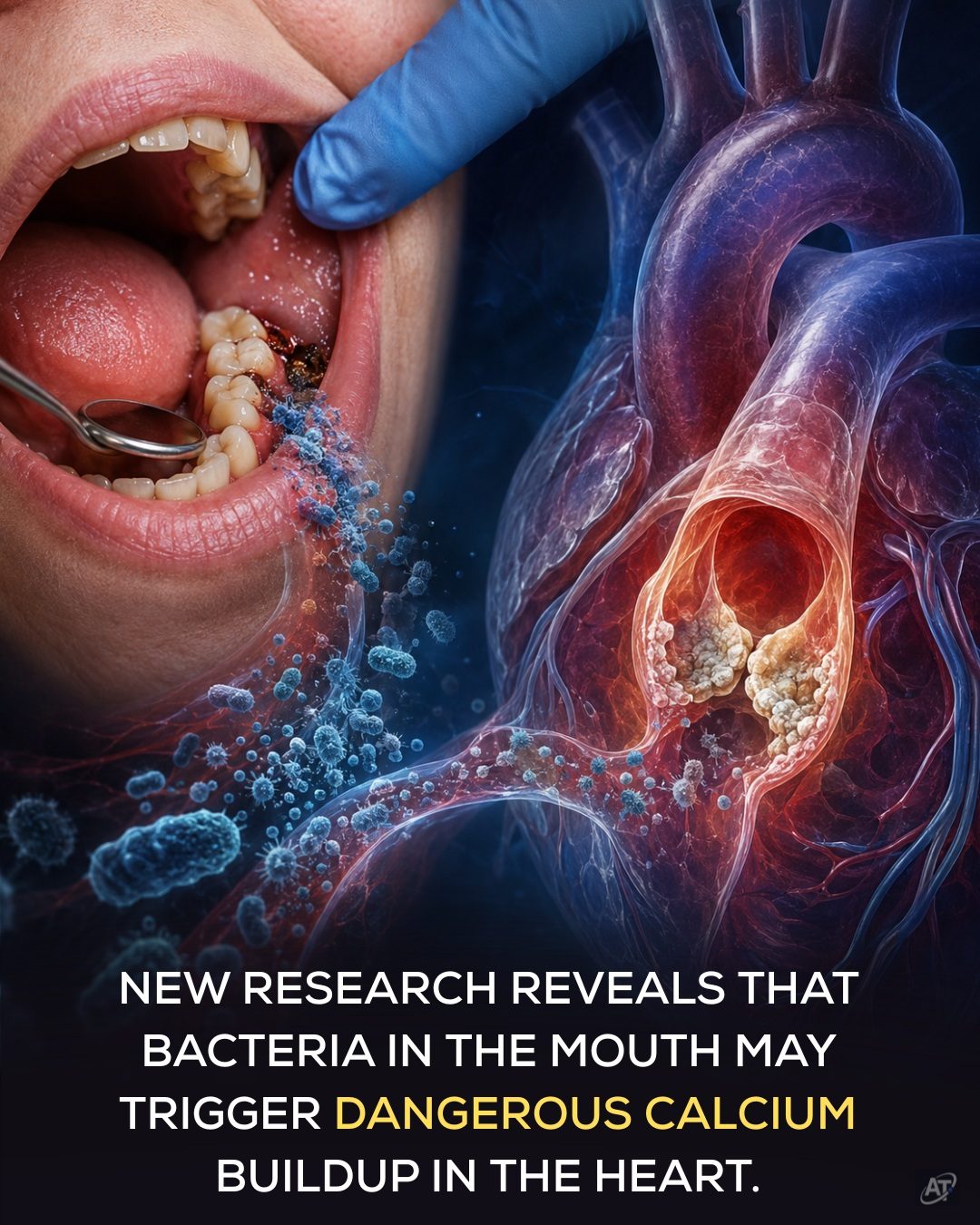
Oral Health and Heart Disease: The Surprising Connection
The bacterium Porphyromonas gingivalis, commonly associated with periodontal disease, has been found to have an unexpected connection to the heart. Recent preliminary research presented at the American Heart Association’s 2026 Basic Cardiovascular Sciences meeting suggests that this bacterium may play a significant role in calcific aortic valve stenosis, a condition where calcium builds up on the aortic valve, causing it to thicken and narrow.
Why This Matters
The aortic valve is crucial for heart function, as it regulates blood flow from the heart to the rest of the body. When this valve becomes narrow and stiff due to calcium buildup, the heart has to work much harder to pump blood efficiently. This increased workload can lead to a range of serious symptoms, including chest pain, breathlessness, fainting, and even heart failure. Understanding the underlying causes of this condition is essential for developing effective treatments and preventive measures.
Main Discussion
The Role of Porphyromonas gingivalis
Porphyromonas gingivalis is a bacterium that thrives in the mouth, particularly in environments where periodontal disease is present. While it is well-known for its role in gum disease, researchers have now found that it may also contribute to heart problems. Specifically, studies have shown that this bacterium can accumulate in calcified aortic valves, suggesting a direct link between gum health and heart health.
Research Findings
Researchers detected significantly higher levels of P. gingivalis in calcified human aortic valves compared to those affected by other diseases. To further investigate this connection, they exposed mice to the live bacterium and observed several key findings:
- Bacterial Accumulation: The bacterium accumulated in the mice's aortic valves.
- Increased Calcification: The exposed mice showed increased valve calcification, a hallmark of aortic stenosis.
- Inflammatory Response: The bacterium activated an inflammatory pathway involving a protein called IL-1β. When this pathway was disabled—or when the mice were given preventive antibiotics—the calcification and valve problems were significantly reduced.
Preventive Measures and Treatment
Good oral hygiene practices, including regular brushing, flossing, and dental checkups, are crucial for maintaining overall health. Early treatment of periodontal disease can prevent the buildup of harmful bacteria in the mouth, potentially offering additional protection for the heart.
However, it is important to note that while these findings are intriguing, they do not prove that gum disease directly causes heart-valve disease in humans. The strongest cause-and-effect evidence came from studies on mice, and more research is needed to fully understand the connection and develop potential treatments.
Practical Tips
- Maintain Good Oral Hygiene: Regular brushing and flossing can help prevent the buildup of harmful bacteria in the mouth.
- Schedule Regular Dental Checkups: Early detection and treatment of periodontal disease can prevent complications.
- Consult a Healthcare Provider: If you have a history of periodontal disease or heart problems, discuss your concerns with a healthcare provider.
- Stay Informed: Keep up-to-date with the latest research on the connection between oral health and heart disease.
Important Takeaways
- Porphyromonas gingivalis, a bacterium linked to periodontal disease, may also contribute to calcific aortic valve stenosis.
- The bacterium activates an inflammatory pathway that can lead to increased calcification and valve problems.
- Good oral hygiene and early treatment of periodontal disease are important for overall health.
- More research is needed to fully understand the connection between oral health and heart disease.
Conclusion
The connection between oral health and heart disease is an emerging area of study with significant implications for preventive care and treatment. While more research is needed, the preliminary findings underscore the importance of maintaining good oral hygiene and seeking early treatment for periodontal disease. By doing so, individuals can not only protect their gums but potentially safeguard their heart health as well.
Watch the Reel
Questions readers ask
What is the connection between *Porphyromonas gingivalis* and heart issues?
Research indicates that *Porphyromonas gingivalis*, a bacterium responsible for gum disease, can accumulate in the aortic valve and contribute to calcific aortic valve stenosis, a condition where calcium buildup causes the valve to narrow and thicken.
How does calcific aortic valve stenosis affect the heart?
Calcific aortic valve stenosis makes the aortic valve narrow and stiff, causing the heart to work harder to pump blood. This increased workload can lead to serious heart problems over time.
What is the significance of the aortic valve in heart function?
The aortic valve is vital for regulating blood flow from the heart to the rest of the body. When it becomes narrowed and stiff due to conditions like calcific aortic valve stenosis, it impedes blood flow and increases the heart's workload.
What are the potential heart problems associated with gum disease?
Gum disease, particularly when caused by *Porphyromonas gingivalis*, may contribute to heart problems by promoting calcium buildup in the aortic valve, leading to conditions like calcific aortic valve stenosis. This can result in a range of heart issues if left untreated.
What does recent research say about *Porphyromonas gingivalis* and heart health?
Recent studies presented at the American Heart Association’s 2026 Basic Cardiovascular Sciences meeting suggest a significant link. *Porphyromonas gingivalis* is associated with an increased risk of calcific aortic valve stenosis, a condition that can seriously impact heart function.
How can bacteria from the mouth reach the heart and cause problems?
While the exact mechanisms are still being researched, *Porphyromonas gingivalis* can enter the bloodstream through activities like eating, brushing, or flossing. The bacteria can then travel to the heart, potentially accumulating in the aortic valve and contributing to conditions like calcific aortic valve stenosis.
What measures can be taken to prevent gum bacteria from affecting heart health?
Maintaining good oral hygiene, including regular brushing, flossing, and dental check-ups, can help control gum bacteria. Additionally, being aware of the signs of gum disease and seeking prompt treatment can help prevent potential heart issues.
Related deep dives
Similar reads based on topic and creator.


Recent articles
Fresh deep dives from the latest Reels we unpacked.




Comments
Be the first to comment.