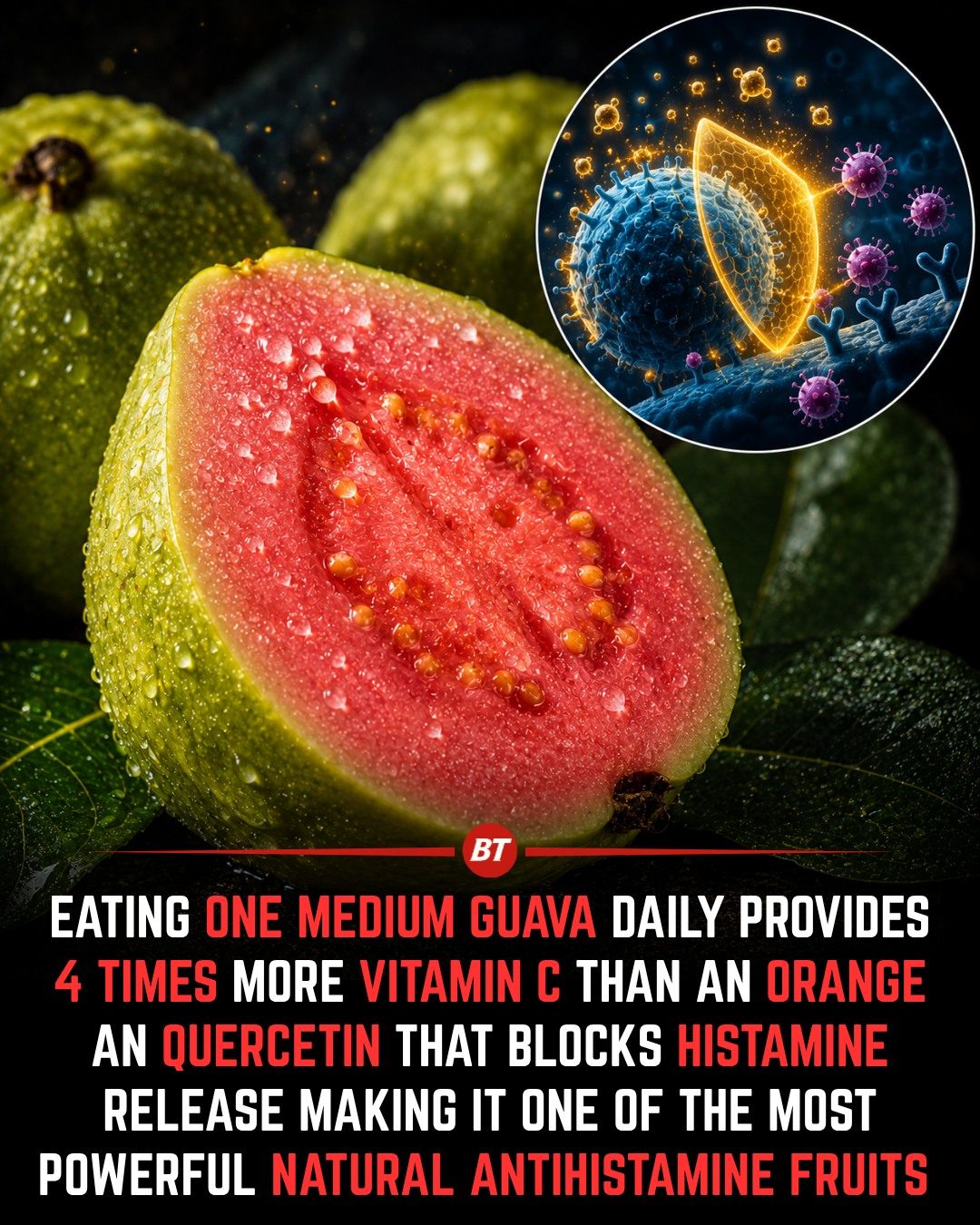
Guava: A Nutritional Powerhouse
Guava is a tropical fruit packed with nutrients that offer numerous health benefits. This fruit is particularly notable for its high vitamin C content, which surpasses that of many other fruits, including oranges. But that's just the beginning of what makes guava a standout choice for a healthy diet.
Why This Matters
Incorporating guava into your diet can provide a range of health benefits, from boosting your immune system to improving skin health. Understanding the specific nutritional advantages of guava can help you make informed decisions about your food choices and overall well-being.
Nutritional Benefits of Guava
Vitamin C Content
One of the most impressive aspects of guava is its vitamin C content. A single medium-sized guava provides four times more vitamin C than an orange. This makes guava an excellent choice for those looking to boost their intake of this essential nutrient. Vitamin C is crucial for various bodily functions, including immune health, collagen production, and antioxidant protection.
Collagen, the structural protein, is essential for maintaining the strength and elasticity of skin, blood vessels, joints, and connective tissues. Vitamin C plays a key role in the synthesis of collagen, making it vital for skin health and wound healing.
Additionally, vitamin C acts as a potent antioxidant, protecting cells from damage caused by free radicals. Free radicals are unstable molecules that can harm cells and contribute to chronic diseases. By neutralizing these harmful molecules, vitamin C helps safeguard your cells and overall health.
Quercetin: A Natural Antihistamine
Beyond its vitamin C content, guava contains quercetin, a plant flavonoid with powerful health benefits. Quercetin has been studied for its ability to regulate inflammatory responses and support a healthy immune system. This flavonoid has attracted particular interest because it may help stabilize mast cells, which are responsible for releasing histamine during allergic reactions.
Histamine is a compound released by the immune system in response to allergens. Quercetin's ability to block histamine release makes guava a natural antihistamine, potentially beneficial for those suffering from allergies. By incorporating guava into your diet, you may experience relief from allergy symptoms and improved immune function.
Other Nutrients
Guava is also a rich source of other essential nutrients, including fiber, potassium, and lycopene. Fiber is important for digestive health and can help prevent constipation and other gastrointestinal issues. Potassium is crucial for maintaining healthy blood pressure and supporting heart function. Lycopene, a powerful antioxidant, has been linked to a reduced risk of certain cancers and heart disease.
Additionally, guava contains other beneficial plant compounds that contribute to its overall nutritional profile. These compounds work together to provide a range of health benefits, making guava one of the most nutrient-dense fruits available.
Practical Tips for Incorporating Guava into Your Diet
Adding guava to your diet can be both easy and enjoyable. Here are a few practical tips for incorporating this nutrient-rich fruit into your daily meals:
Eat as a Snack:
One of the simplest ways to enjoy guava is by eating it as a snack. Choose a fresh, ripe guava and enjoy it whole. For maximum nutrition, consume the edible skin, which contains additional fiber and beneficial antioxidants.
Add to Fruit Salads:
Slice guava into fruit salads for a burst of flavor and added nutrition. Combining guava with other fruits can create a refreshing and delicious snack or dessert.
Blend into Smoothies:
For a nutrient-dense smoothie, blend guava with other fruits, such as bananas, berries, or apples. This not only enhances the flavor but also boosts the nutritional content of your smoothie.
Incorporate into Recipes:
Guava can be used in various recipes, from jams and jellies to desserts and baked goods. Its unique flavor and nutritional benefits make it a versatile ingredient in the kitchen.
Important Takeaways
Guava is a nutritional powerhouse that offers a range of health benefits. Its high vitamin C content, along with the presence of quercetin, makes it an excellent choice for supporting immune health, regulating inflammatory responses, and protecting cells from damage. Additionally, guava provides essential nutrients like fiber, potassium, and lycopene, making it a nutrient-dense fruit that can contribute to overall well-being.
By incorporating guava into your diet, you can enjoy its numerous health benefits and enhance your overall nutritional intake. Whether eaten as a snack, added to fruit salads, blended into smoothies, or used in recipes, guava is a versatile and delicious fruit that deserves a place in your diet.
Conclusion
Guava is a tropical fruit that offers a wealth of nutritional benefits. Its high vitamin C content, quercetin, and other essential nutrients make it a standout choice for supporting overall health. By understanding the specific benefits of guava and finding practical ways to incorporate it into your diet, you can enjoy its numerous advantages and improve your well-being.
Watch the Reel
Questions readers ask
How much vitamin C does guava contain compared to other fruits?
Guava is exceptionally rich in vitamin C, containing about 228.3 mg per 100 grams. This amount is significantly higher than that of oranges, which contain around 53.2 mg per 100 grams, making guava a superior choice for boosting your vitamin C intake.
What are the primary health benefits of consuming guava?
Consuming guava can enhance your immune system due to its high vitamin C content, which aids in collagen production for healthier skin, and acts as a powerful antioxidant. Additionally, guava contains quercetin, a flavonoid that can help reduce inflammation and histamine release in the body.
How can I incorporate guava into my daily diet?
You can enjoy guava in various ways, such as eating it fresh, adding it to smoothies, or incorporating it into salads. You can also use it in jams, jellies, and baked goods. For a quick and convenient option, you can buy guava juice or dried guava.
Is there a recommended daily intake for guava?
While there is no specific recommended daily intake for guava, consuming one to two medium-sized guavas per day can provide a significant amount of vitamin C and other essential nutrients. However, it's important to consult with a healthcare provider before making any drastic changes to your diet.
Does guava have any benefits for skin health?
Yes, guava is beneficial for skin health due to its high vitamin C content, which promotes collagen production and helps maintain skin elasticity. Moreover, the antioxidants and quercetin in guava can help protect the skin from damage caused by free radicals and reduce inflammation.
Can guava consumption help with histamine intolerance?
Guava contains quercetin, a natural compound that can help stabilize mast cells and reduce the release of histamine in the body. This makes guava a potentially beneficial fruit for individuals with histamine intolerance, but it's essential to consult with a healthcare provider before making any dietary changes.
How does guava compare to other vitamin C-rich fruits and vegetables?
Guava stands out among other vitamin C-rich fruits and vegetables due to its exceptionally high vitamin C content. For instance, while a medium orange provides around 70 mg of vitamin C, a single medium guava can offer over 228 mg, making it one of the best sources of this essential nutrient.
Related deep dives
Similar reads based on topic and creator.




Recent articles
Fresh deep dives from the latest Reels we unpacked.




Comments
Be the first to comment.