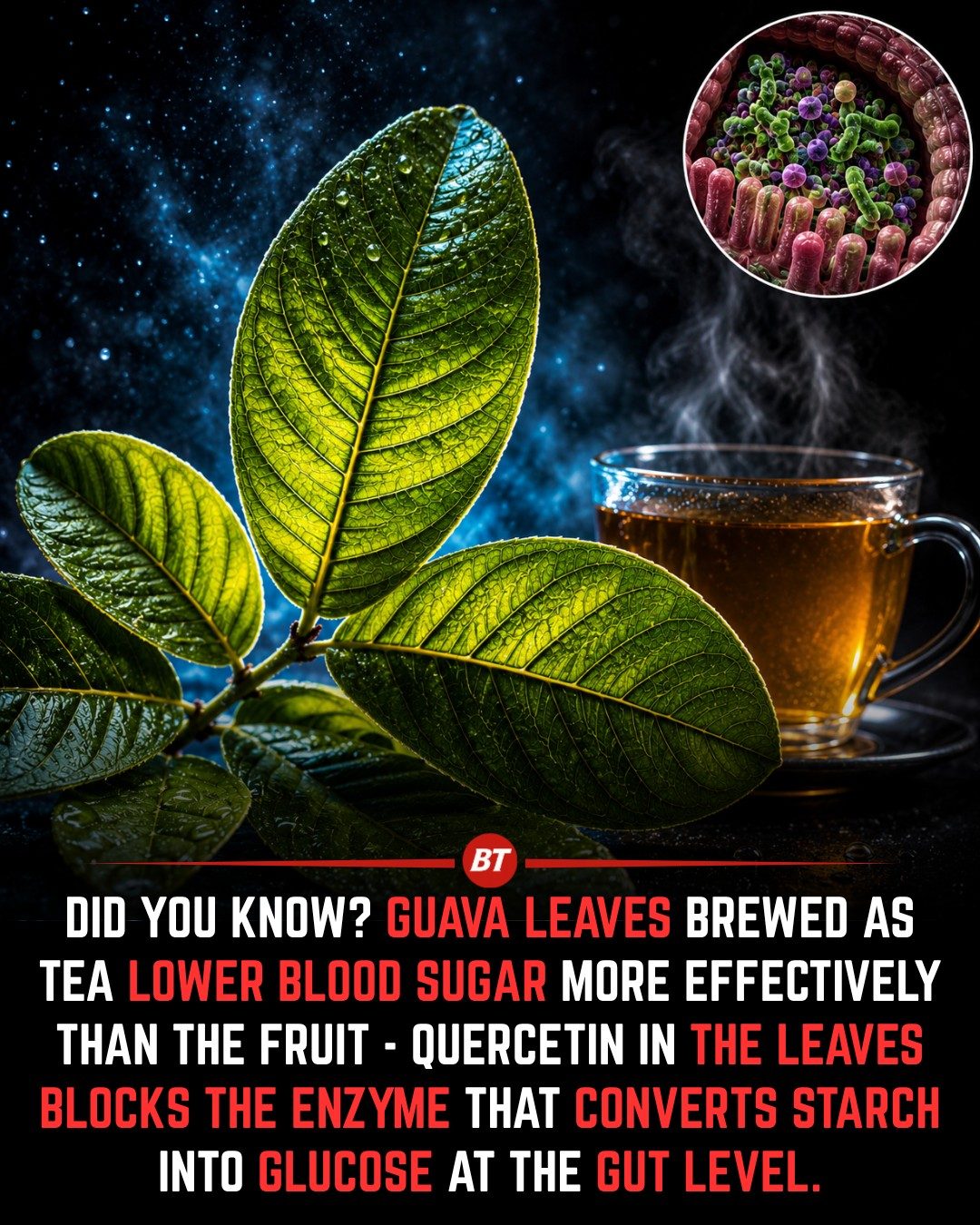
Guava Leaf Tea and Its Impact on Blood Sugar
Guava leaf tea is gaining recognition for its potential benefits in managing blood sugar levels. This tea, brewed from the leaves of the guava plant, has been a staple in traditional medicine for generations. Modern research is now shedding light on how specific compounds in guava leaves might support healthy blood sugar regulation.
Why This Matters
Understanding the role of natural compounds in managing blood sugar can be crucial for individuals seeking to maintain or improve their metabolic health. By exploring the benefits of guava leaf tea, we can gain insights into how dietary and lifestyle choices can complement conventional treatments for conditions like diabetes.
Main Discussion
The Science Behind Guava Leaf Tea
The primary compound of interest in guava leaves is quercetin, a plant antioxidant. Laboratory and early human studies suggest that quercetin may help slow the activity of enzymes involved in breaking down complex carbohydrates into glucose. By inhibiting these enzymes, quercetin can help regulate the rate at which glucose enters the bloodstream, potentially reducing sharp spikes in blood sugar levels after meals.
Quercetin and Blood Sugar Regulation
Quercetin in guava leaves works by blocking enzymes that convert starch into glucose. This process occurs at the gut level, where the enzyme inhibition can significantly impact how quickly and efficiently glucose is absorbed. The result is a more gradual release of glucose into the bloodstream, which can be particularly beneficial for individuals with diabetes or those at risk of developing the condition.
Guava Leaves vs. Guava Fruit
While guava fruit is rich in vitamin C, fiber, and other nutrients that support metabolic health, the leaves offer a different set of benefits. The leaves are particularly valued for their concentrated polyphenols and flavonoids. These compounds are believed to offer unique advantages when consumed in the form of tea, though more research is needed to fully understand these benefits.
Researchers are still investigating the specific mechanisms by which these compounds interact with the body to regulate blood sugar. Early findings suggest that the preparation, dosage, and individual health factors can all influence the effectiveness of guava leaf tea. Therefore, it's important to consider guava leaf tea as one component of a balanced lifestyle rather than a standalone solution.
Beyond Blood Sugar
In addition to its potential benefits for blood sugar regulation, guava leaf tea is also known for its antimicrobial and anti-inflammatory properties. These additional benefits make guava leaf tea a versatile addition to a healthy diet.
Practical Tips
Brewing Guava Leaf Tea
To prepare guava leaf tea, start with clean, dried leaves. Brew the leaves in hot water for several minutes. Enjoy the tea as an unsweetened beverage alongside a balanced meal. This can help ensure that the tea's benefits are maximized without adding unnecessary sugars.
Consulting Healthcare Providers
If you have diabetes or take blood sugar-lowering medications, it's essential to consult with a healthcare provider before incorporating guava leaf tea into your routine. Herbal products can sometimes interact with medications, and professional guidance can help ensure safety and effectiveness.
Incorporating Guava Leaf Tea into a Balanced Lifestyle
Rather than viewing guava leaf tea as a replacement for healthy eating or medical treatment, consider it as one piece of a balanced lifestyle. This includes fiber-rich meals, regular physical activity, and good sleep—all of which play important roles in blood sugar regulation. A holistic approach to health can offer the best results in managing blood sugar levels.
Important Takeaways
- Quercetin in Guava Leaves: This compound helps slow the activity of enzymes that break down complex carbohydrates, potentially reducing blood sugar spikes.
- Different from Guava Fruit: While guava fruit is rich in vitamin C and fiber, the leaves offer unique benefits through their concentrated polyphenols and flavonoids.
- Gradual Glucose Release: By blocking enzymes at the gut level, quercetin can help glucose enter the bloodstream more gradually, which can be beneficial for blood sugar management.
- Balanced Lifestyle: Incorporating guava leaf tea into a balanced lifestyle, including a healthy diet, physical activity, and good sleep, can support overall metabolic health.
Conclusion
Guava leaf tea offers a natural and potentially effective way to support healthy blood sugar levels. Its unique combination of polyphenols and flavonoids, particularly quercetin, make it a valuable addition to a balanced diet. By understanding the science behind guava leaf tea and incorporating it thoughtfully into daily routines, individuals can take proactive steps toward maintaining metabolic health.
Watch the Reel
Questions readers ask
What is the primary compound in guava leaves that helps with blood sugar control?
The primary compound in guava leaves that aids in blood sugar control is quercetin. This flavonoid is known to potentially slow down the absorption of glucose, making guava leaf tea a beneficial option for those managing their blood sugar levels.
How does guava leaf tea help in managing blood sugar levels?
Guava leaf tea can help manage blood sugar levels by potentially slowing down the absorption of glucose. This process can support healthy blood sugar regulation and complement conventional treatments for conditions like diabetes.
Can guava leaf tea be used as a preventative measure for diabetes?
While more research is needed, guava leaf tea shows promise in preventing diabetes. The quercetin in guava leaves may help maintain healthy blood sugar levels and support metabolic health, making it a potential preventive measure.
What are the benefits of incorporating guava leaf tea into my daily routine?
Incorporating guava leaf tea into your daily routine may offer several benefits, including supporting healthy blood sugar levels, providing antioxidants, and promoting overall well-being. Regular consumption may also contribute to maintaining metabolic health.
How should I prepare guava leaf tea to ensure I get the most benefits?
To prepare guava leaf tea, you can steep dried guava leaves in hot water for about 5-10 minutes. For the best results, use about 1-2 teaspoons of dried leaves per cup of water. Allow the tea to cool slightly before consuming to preserve the beneficial compounds, such as quercetin.
Can guava leaf tea replace conventional diabetes treatments?
Guava leaf tea should not replace conventional diabetes treatments. While it can complement these treatments and support healthy blood sugar levels, it is essential to consult with a healthcare provider before making any changes to your diabetes management plan. Always use guava leaf tea as a supplement to traditional treatments.
Is guava leaf tea safe for everyone to consume?
Guava leaf tea is generally safe for most people, but it may interact with certain medications or cause allergic reactions in some individuals. Pregnant or breastfeeding women, as well as those with kidney or liver problems, should consult a healthcare provider before consuming guava leaf tea. If you experience any adverse effects, discontinue use and seek medical advice.
Recent articles
Fresh deep dives from the latest Reels we unpacked.




Comments
Be the first to comment.