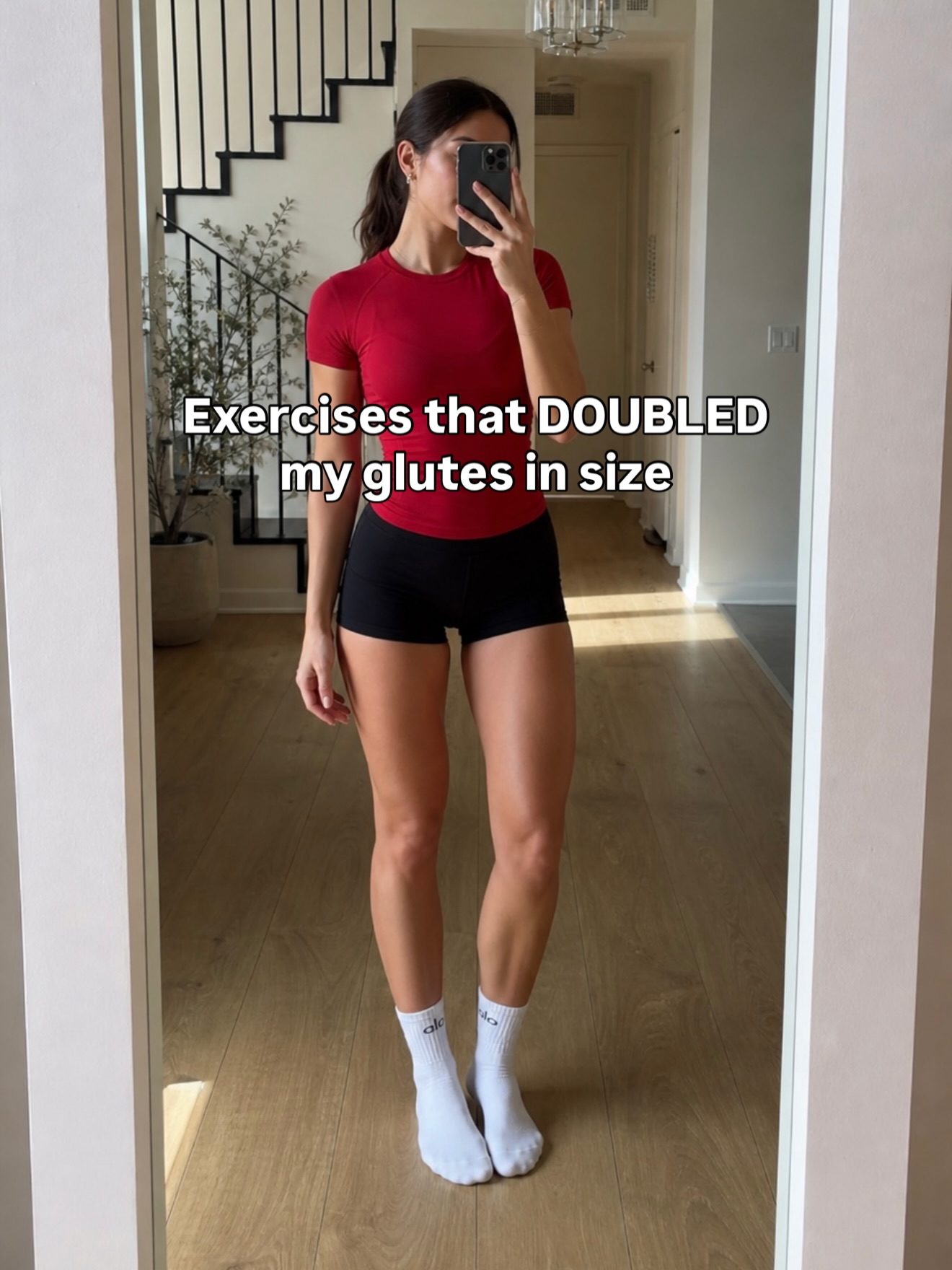
Developing Stronger Glutes: Effective Exercises and Proper Form
Growing your glutes involves more than just going through the motions during your workouts. Intent, control, and a real stimulus are crucial for effective glute development. Here are some exercises along with practical tips that can help you achieve your glute growth goals.
Why Glute Development Matters
Strong glutes are essential for overall lower body strength and stability. They play a key role in various movements, from walking and running to squatting and lifting. Developing your glutes can enhance your athletic performance, improve posture, and reduce the risk of injuries.
Moreover, well-developed glutes contribute to an aesthetically pleasing physique. For many, the desire to grow their glutes is driven by the goal of achieving a more toned and shapely buttocks.
Effective Exercises for Glute Growth
Banded Kickbacks
Banded kickbacks are an excellent exercise for isolating and growing your glutes. This exercise targets the glute maximus, glute medius, and hamstrings. To perform banded kickbacks:
- Start on your hands and knees, with the band right above your knees.
- Maintain a flat back and tight core throughout the movement.
- Kick one leg back, keeping your hips square and the kick controlled.
- Pause at the top of the movement, then slowly return to the starting position.
- Complete the desired number of repetitions on one side before switching to the other.
Back Extensions
Back extensions are another effective exercise for glute development. They target the glute maximus, hamstrings, lower back, and glute medius. To perform back extensions:
- Lie face down on a bench or stability ball, with your feet angled slightly outwards.
- Place your hands behind your head or across your chest for support.
- Keeping your chin tucked in, hinge at your hips and lift your torso off the bench or ball.
- Avoid overextending at the top of the movement.
- Slowly lower your torso back down to the starting position and repeat.
Seated Abductor
Lean forward, control it, and pause at the end. This burn is a sign of growth.
Cable Kickbacks
Cable kickbacks are a great exercise for targeting the gluteus maximus, gluteus medius, and hamstrings. To perform cable kickbacks:
- Attach an ankle cuff to a low pulley cable machine.
- Stand facing the machine, with your feet hip-width apart and a slight bend in your knees.
- Keep your core engaged and your back straight as you kick one leg back, focusing on using your glutes to drive the movement.
- Control the movement throughout and avoid swinging your leg.
Deficit Curtsy Lunges
Deficit curtsy lunges are an advanced exercise that targets the glutes, quads, and hamstrings. To perform deficit curtsy lunges:
- Stand on a raised platform or step, with your feet hip-width apart.
- Take a large step backward and across your body, bending both knees to lower into a lunge position.
- Maintain proper form, keeping your front knee behind your toes and your back knee close to the ground.
- Push through your heel to return to the starting position and repeat on the other side.
RDLs
Romanian deadlifts (RDLs) are a compound exercise that targets the glutes, hamstrings, and lower back. To perform RDLs:
- Stand with your feet hip-width apart, holding a barbell or dumbbells in front of your thighs.
- Keeping your knees slightly bent, hinge at your hips and push your buttocks backward, sliding the weight down your thighs.
- Maintain a flat back and keep the weight close to your body throughout the movement.
- Once the weight reaches your shins, reverse the movement and stand back up, driving your hips forward and squeezing your glutes at the top.
Bulgarian Split Squats
Bulgarian split squats are a unilateral exercise that targets the glutes, quads, and hamstrings. To perform Bulgarian split squats:
- Stand lunging position, with your back foot elevated on a bench or step.
- Keep your front knee behind your toes and your back knee close to the ground as you lower into the lunge position.
- Lean forward slightly and drive through your heel to stand back up, squeezing your glutes at the top of the movement.
Hip Thrusts
Hip thrusts are a popular exercise for glute development. They target the glute maximus, glute medius, and hamstrings. To perform hip thrusts:
- Sit on the edge of a bench or step, with your shoulders and upper back supported and your feet flat on the floor.
- Place a weight plate or dumbbell across your hips for added resistance.
- Engage your glutes and Drive your hips upward, squeezing your glutes at the top of the movement.
- Pause briefly before lowering your hips back down to the starting position and repeating.
Practical Tips for Effective Glute Workouts
Focus on Control
Intent and control are essential for effective glute workouts. Instead of rushing through your exercises, focus on maintaining proper form and using your glutes to drive the movement. This will help ensure that you're targeting the right muscle groups and getting the most out of your workouts.
Incorporate Variety
To continue challenging your glutes and promoting growth, incorporate a variety of exercises into your workouts. This will help prevent plateaus and keep your workouts interesting. Don't be afraid to try new exercises or variations of exercises you already know.
Prioritize Progressive Overload
Progressive overload is the key to muscle growth. To continue challenging your glutes and promoting growth, gradually increase the resistance or difficulty of your exercises over time. This can be achieved by adding more weight, increasing the number of reps, or decreasing rest time between sets.
Maintain Proper Form
Proper form is essential for targeting the right muscle groups and preventing injuries. Pay close attention to your form during each exercise, and make adjustments as needed to ensure that you're using the correct muscles and maintaining proper alignment.
Stay Consistent
Consistency is crucial for seeing results from your glute workouts. Make sure to prioritize your workouts and stick to a regular exercise routine. This will help you stay on track and make progress toward your glute growth goals.
Important Takeaways
- Effective glute development requires intent, control, and a real stimulus.
- Incorporate a variety of exercises into your workouts to target different muscle groups and prevent plateaus.
- Progressive overload, proper form, and consistency are essential for promoting glute growth.
- Personalized workout and nutrition plans can help you achieve your glute growth goals more effectively.
Conclusion
Growing your glutes requires a strategic approach that combines the right exercises, proper form, and consistent effort. By focusing on exercises that target the glute maximus, glute medius, and hamstrings, and incorporating variety, progressive overload, and proper form into your workouts, you can effectively develop your glutes and achieve your fitness goals.
Personalized workout and nutrition plans, like those offered by alo, can provide the guidance and support you need to stay on track and see real results. With the right approach and dedication, you can double your glutes in size and achieve the physique you've always wanted.
Watch the Reel
Recent articles
Fresh deep dives from the latest Reels we unpacked.




Comments
Be the first to comment.