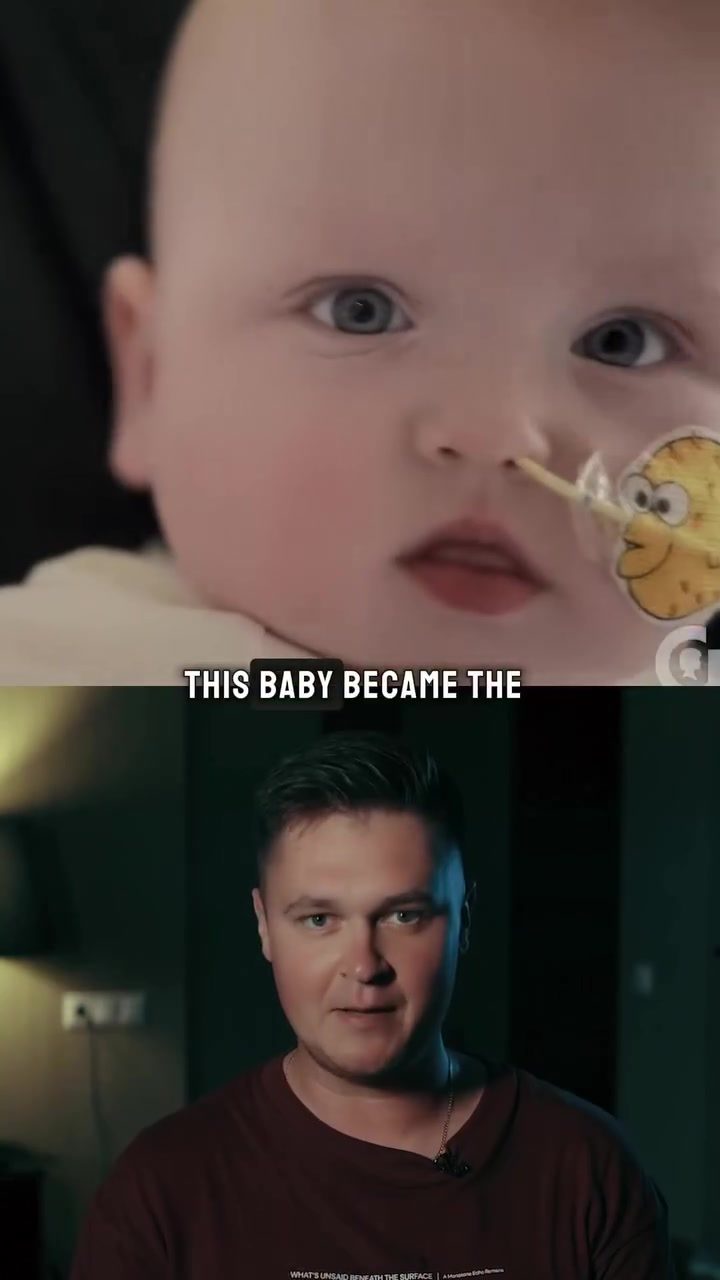
Medical Condition and Genetic Mutation
A single DNA letter changed the life of an infant named KJ. Diagnosed with a rare genetic error that would typically be fatal, KJ's liver was unable to process ammonia, leading to toxic substances entering his brain each time he consumed protein. This condition brought him to the brink of death, leaving his parents and doctors in a desperate situation. However, doctors intervened with a groundbreaking solution.
Why This Matters
The case of KJ opens a new chapter in personalized medicine, showcasing the potential of gene-editing technologies to address unique genetic disorders. This story highlights the rapid advancements in medical science and the potential for treating genetic diseases with personalized therapies. Understanding the significance of such innovations is crucial for those interested in the future of medicine and genetic research.
Main Discussion
KJ's Genetic Condition
KJ, a nine-month-old baby, was diagnosed with a life-threatening genetic mutation. Out of the three billion letters in his DNA, just one was incorrect. This seemingly minor error disrupted his liver’s ability to process ammonia, a byproduct of protein digestion. Without the liver's proper functioning, every meal posed a risk as toxic substances, particularly ammonia, would accumulate in his brain. This condition, known as urea cycle disorder, made it seemingly impossible for KJ to survive.
The Traditional Approach
For years, the standard treatment for such severe genetic conditions involved a liver transplant and lifelong medication. However, this approach comes with significant risks and challenges. Finding a compatible donor, managing the transplant procedure, and ensuring the patient's body accepts the new organ are just a few of the hurdles. Additionally, the lifelong medication required to prevent rejection can be taxing on the immune system and overall health.
The Breakthrough: Base Editing
In KJ's case, doctors opted for an entirely new approach: base editing. This innovative technique allowed them to correct the genetic error without resorting to a transplant. Specifically, they identified the incorrect DNA letter and replaced it with the correct one. This precise and targeted intervention is a testament to the advancements in gene-editing technologies, marking a significant milestone in personalized medicine.
Rapid Development and Approval
One of the most astonishing aspects of KJ’s treatment is the speed at which it was developed and implemented. It took just six months to develop and produce the personalized therapy, which is remarkably fast in the world of medical research. Even more impressive was the expedited FDA approval process, which was granted in just one week. This rapid turnaround is indicative of the potential for gene-editing technologies to revolutionize the way we approach genetic disorders.
The Treatment Process
The therapy was administered to KJ when he was six months old. The drug entered his bloodstream, navigated to the liver, and found the specific cells that needed correction. The process of rewriting his DNA was carried out without introducing deadly risks, showcasing the precision and safety of the base editing technique. The treatment effectively rewrote KJ’s genetic code, eliminating the root cause of his condition.
The Outcome
Without treatment, KJ was given almost no chance of survival. However, after receiving the personalized gene-editing treatment, he has been growing and developing like a normal, healthy child. This outcome underscores the transformative potential of gene-editing therapies in treating previously incurable genetic disorders.
Practical Tips
Understanding Genetic Disorders
For those unfamiliar with genetic disorders, it's essential to recognize that a small change in the DNA can have significant health implications. Conditions like KJ’s urea cycle disorder are caused by alterations in specific genes, leading to metabolic dysfunctions. Understanding the genetic basis of these disorders is the first step toward developing effective treatments.
The Importance of Early Diagnosis
Early diagnosis is crucial in managing genetic disorders. The sooner a condition is identified, the better the chances of successful intervention. Regular genetic screenings and consultations with geneticists can provide valuable insights into potential health risks and the best available treatments.
Exploring New Treatments
Gene-editing technologies, such as base editing, offer new possibilities for treating genetic disorders. While traditional methods like liver transplants and medication have been the standard, recent advancements in gene editing are paving the way for more targeted and personalized therapies. Keeping abreast of the latest research and developments in this field can provide hope for individuals and families affected by genetic disorders.
Important Takeaways
The story of KJ's treatment highlights several critical points. First, personalized gene-editing therapies have the potential to revolutionize the treatment of genetic disorders. Second, the rapid development and approval process of KJ's therapy demonstrate the efficiency and effectiveness of these new treatments. Finally, the successful outcome for KJ underscores the transformative impact of gene-editing technologies on the lives of individuals affected by genetic conditions.
Conclusion
The case of KJ serves as a beacon of hope for those affected by genetic disorders. The successful treatment of his unique condition through gene-editing technologies highlights the potential for personalized medicine to transform lives. As research and development in this field continue, the prospects for treating and potentially curing genetic disorders become brighter. The advancements demonstrated in KJ's treatment represent a significant step forward in the journey towards more effective and personalized healthcare.
Watch the Reel
Questions readers ask
What specific genetic mutation was treated in the baby named KJ?
KJ had a rare genetic mutation that affected the liver's ability to process ammonia, causing toxic substances to enter the brain when protein was consumed. This condition is typically fatal and highlights the severity of the mutation treated.
How did the gene-editing therapy work in this case?
Doctors used gene-editing technology to correct a single DNA error, addressing the underlying cause of KJ's condition. This involved modifying the DNA to allow the liver to process ammonia correctly, preventing the buildup of toxic substances in the brain.
What is the significance of this procedure for personalized medicine?
This procedure marks a significant milestone in personalized medicine by demonstrating the potential of gene-editing technologies to treat unique genetic disorders. It shows that therapies can be tailored to an individual's specific genetic makeup, offering hope for patients with rare conditions.
What role does CRISPR play in this groundbreaking treatment?
While the article does not explicitly name CRISPR, it is likely that CRISPR technology was used for the gene-editing process. CRISPR is a well-known tool for precisely editing DNA, making it a strong candidate for the correction of the single DNA error in KJ's genetic code.
Why was the liver targeted in this gene-editing therapy?
The liver was targeted because it is the organ responsible for processing ammonia in the body. By correcting the genetic mutation in the liver, doctors were able to restore its function, allowing it to process ammonia correctly and prevent the buildup of toxic substances in the brain.
What are the potential implications of this treatment for other genetic disorders?
The success of this treatment opens new doors for addressing a wide range of genetic disorders. It demonstrates that gene editing can be used to target and correct specific genetic mutations, offering a potential cure for conditions that were previously considered untreatable.
How does this case highlight the advancement of medical science?
This case showcases the rapid advancements in medical science by providing a real-world example of gene-editing technology in action. It underscores the potential for treating genetic diseases with personalized therapies, paving the way for future innovations in medical care.
Related deep dives
Similar reads based on topic and creator.



Recent articles
Fresh deep dives from the latest Reels we unpacked.




Comments
Be the first to comment.