The Hidden World of Grocery Store Lettuce
Lettuce is a staple in many households, but have you ever wondered about the origins of the lettuce you buy from your local grocery store? Recent revelations have shed light on the intricate web of suppliers and private-label brands that create the illusion of choice while often charging vastly different prices.
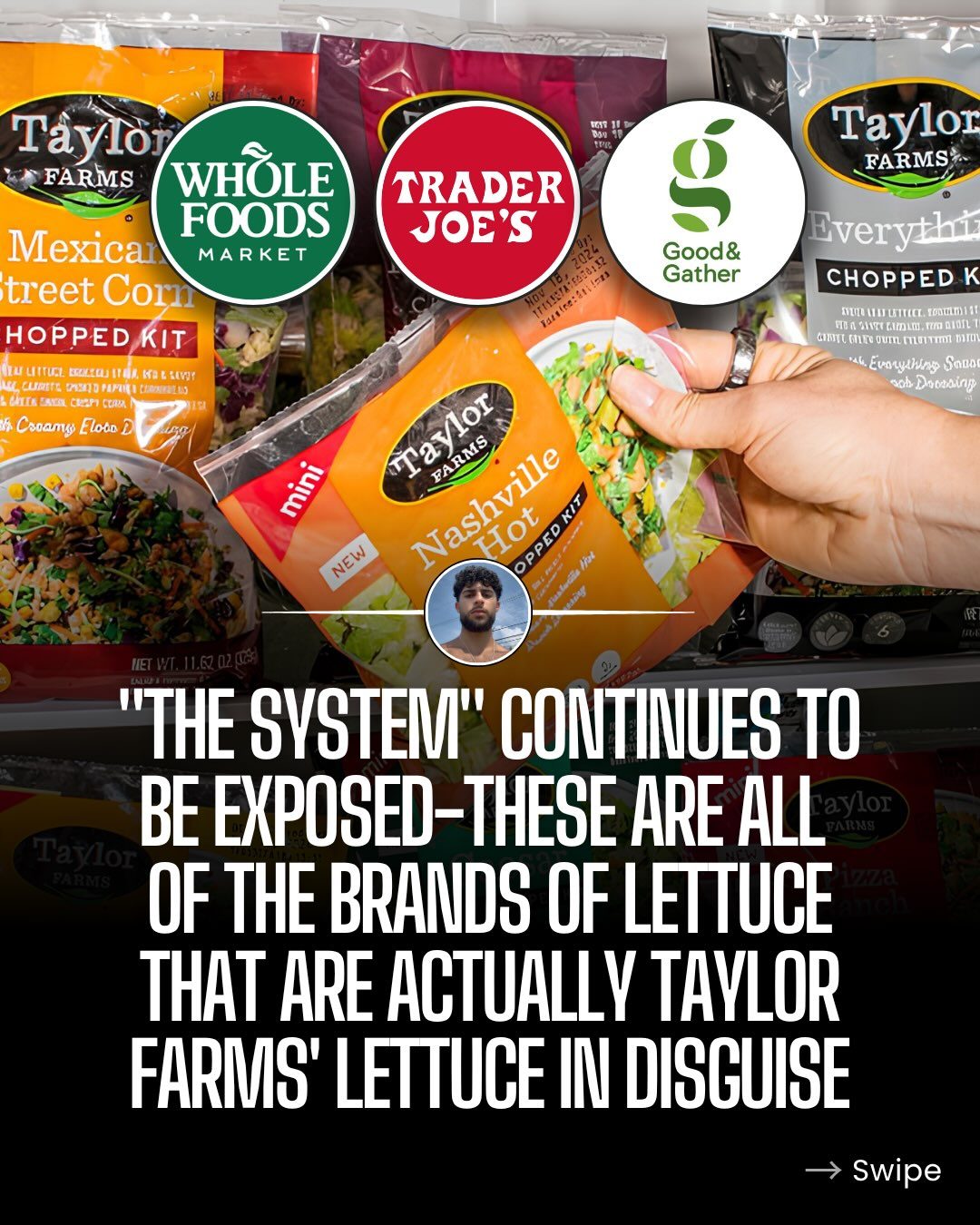
Recent health scares have exposed the fact that many grocery stores sell private-label lettuce sourced from the same major supplier, Taylor Farms. When a health scare hit the media, it was the result of an outbreak of an “explosive diarrhea parasite." Regardless of whether the outbreak started at Taylor Farms, it uncovered a much larger issue. The same supplier, Taylor Farms, provides lettuce to a variety of stores under different brand names. This means that lettuce sold under the labels of major retailers like Trader Joe's, Kroger, and Target may all originate from the same supplier.
This revelation raises important questions about the transparency and pricing of private-label products. For example, Whole Foods’ store-brand lettuce can cost around 60% more than Walmart’s, despite both being sourced from the same supplier. This disparity in pricing can mislead consumers into believing they are getting a premium product when, in reality, the core product is identical.
The Role of Taylor Farms
Taylor Farms is a major player in the lettuce supply chain, providing produce to a wide range of retailers. The company offers various lettuce kits, such as the Mexican Street Corn Chopped Kit and the Nashville Hot Chopped Kit, which are then rebranded and sold under different store labels. This practice is not uncommon in the food industry, where private-label products allow retailers to offer competitive pricing and maintain brand loyalty.
From a consumer perspective, it is crucial to understand the origins of the lettuce you buy. Knowing that multiple brands may be sourced from the same supplier can help inform purchasing decisions and dispel the notion that higher-priced lettuce is inherently better.
Popular Lettuce Brands and Their Claims
Simple Truth Romaine Hearts
Simple Truth, Kroger’s private-label brand, offers organic romaine hearts that are advertised as being free from preservatives. This product is a popular choice for health-conscious consumers who prioritize organic and preservative-free options. The packaging highlights the organic nature of the product, making it an attractive option for those looking to avoid artificial additives.
Good & Gather Shredded Lettuce
Good & Gather is Target’s private-label brand for food products. Their shredded iceberg lettuce is marketed as being thoroughly washed and ready to enjoy. This convenience factor is appealing to consumers who value time-saving products. The packaging emphasizes the cleanliness and readiness of the lettuce, making it a convenient choice for salads and other dishes.
Trader Joe's Red Butter Lettuce
Trader Joe's is known for its unique and often organic product offerings. Their red butter lettuce is advertised as being organic and ready to eat. This product caters to consumers who prioritize organic foods and appreciate the convenience of pre-washed lettuce. The packaging clearly indicates that the lettuce is washed and ready to eat, making it a hassle-free option for meal preparation.
Why This Matters
The revelation that many lettuce brands are sourced from the same supplier highlights the importance of transparency in the food industry. Consumers have a right to know where their food comes from and how it is priced. This knowledge can empower shoppers to make more informed decisions about their purchases.
Moreover, understanding the supply chain can help consumers navigate the complex world of private-label products. By recognizing that different brands may offer similar products at different price points, shoppers can prioritize their spending based on their values and preferences, whether that be organic, preservative-free, or convenience.
Practical Tips for Navigating Lettuce Brands
When shopping for lettuce, consider the following tips to make informed decisions:
- Check the Label: Look for information about the supplier and any certifications, such as organic or preservative-free.
- Compare Prices: Compare the prices of similar products from different retailers to understand the pricing discrepancies.
- Ask Questions: Don’t hesitate to ask store employees or check the store’s website for more information about their lettuce brands.
- Try Different Brands: Experiment with different brands to see if you notice a difference in quality or taste.
Important Takeaways
The lettuce supply chain is more interconnected than many consumers realize. By understanding the role of major suppliers like Taylor Farms and the practices of private-label brands, shoppers can make more informed choices. Whether you prioritize organic options, convenience, or cost, knowing the origins of your lettuce can enhance your shopping experience and ensure you are getting the best value for your money.
Conclusion
The recent health scares and revelations about the lettuce supply chain have exposed the complex web of suppliers and private-label brands that create the illusion of choice. By understanding the origins of the lettuce you buy, you can make more informed decisions and navigate the complex world of grocery store lettuce with confidence. Whether you opt for Simple Truth, Good & Gather, or Trader Joe's, knowing the facts can help you choose the best option for your needs and preferences.
Watch the Reel
Questions readers ask
Why do some grocery stores sell lettuce from a single supplier?
Many grocery stores sell lettuce from a single supplier, Taylor Farms, due to the efficiency and cost-effectiveness of sourcing from one provider. This allows stores to maintain a consistent product and manage inventory more effectively. But it also means identical lettuce can be sold under different brand names.
What are private-label lettuce brands and why do they matter?
Private-label lettuce brands are store-brand lettuce products that are often sourced from the same supplier, such as Taylor Farms. They matter because they can create the illusion of choice and variety, but the products may be identical. This lack of transparency can affect both pricing and consumer trust. The lettuce is bagged and branded for the various grocery stores, but it all comes from the same source.
How do grocery stores determine the price of lettuce?
Grocery stores determine the price of lettuce based on various factors, including supply and demand, production costs, and competition. Since many stores source from the same supplier, the pricing differences can be largely influenced by branding and store markups, rather than actual differences in the product. Often, customers see a price difference due to the brand name rather than the actual lettuce.
What are the risks associated with lettuce sourcing from a single supplier?
Sourcing lettuce from a single supplier, like Taylor Farms, can pose risks related to product contamination and health scares. If there is an outbreak or recall, it can affect multiple stores and brands, leading to widespread issues. This makes transparency and communication about sourcing and handling practices more critical than ever. Also, it makes customers more susceptible to food born illness, like the one mentioned in the article.
How can consumers make informed decisions when buying lettuce?
Consumers can make informed decisions by looking beyond brand names and comparing prices. Researching the supplier and understanding that many store-brand lettuces are identical can help. Checking for recent health alerts and recalls related to the supplier can also provide important insights. Additionally, asking store managers for information about the lettuce origins can be a helpful step.
Why do some grocery stores charge higher prices for lettuce?
Some grocery stores charge higher prices for lettuce due to branding, marketing, and perceived quality. Since many stores source from the same supplier, the differences in price are often due to store markups and not actual differences in the product. Consumers can save money by comparing prices and understanding that the lettuce may be identical, despite the different branding and labels.
What should consumers do if they suspect their lettuce is part of a recall?
If consumers suspect their lettuce is part of a recall, they should immediately stop consuming it and return it to the store for a refund. Checking the store’s recall information and contacting the supplier, Taylor Farms, can provide more details. Additionally, consumers can report any symptoms of foodborne illness to local health authorities.
How can grocery stores improve transparency in lettuce sourcing?
Grocery stores can improve transparency in lettuce sourcing by clearly labeling the supplier and providing detailed information about the product's origin. Offering this information can build trust with consumers and help them make more informed purchasing decisions. Stores should also promptly communicate any recalls or health alerts related to their lettuce products.
Recent articles
Fresh deep dives from the latest Reels we unpacked.




Comments
Be the first to comment.