Grocery Shopping: The Art of Decision-Making
Grocery shopping can be a complex dance of desire and budget, especially when it comes to indulgent items like granola. The process often involves a series of steps: seeing an item, liking it, checking the price, and then making a decision. This decision-making process can be both satisfying and frustrating, especially when you find yourself repeatedly picking up and putting back the same item.
Context: Why This Matters
The act of grocery shopping is more than just a chore; it's a window into our daily habits, budgets, and impulse control. For many, the grocery store is a battleground of temptation and restraint, where every aisle presents choices that can either enhance or disrupt financial plans. Understanding the dynamics of this process can help you make more informed and satisfying purchases.
Main Discussion
The Process of Decision-Making
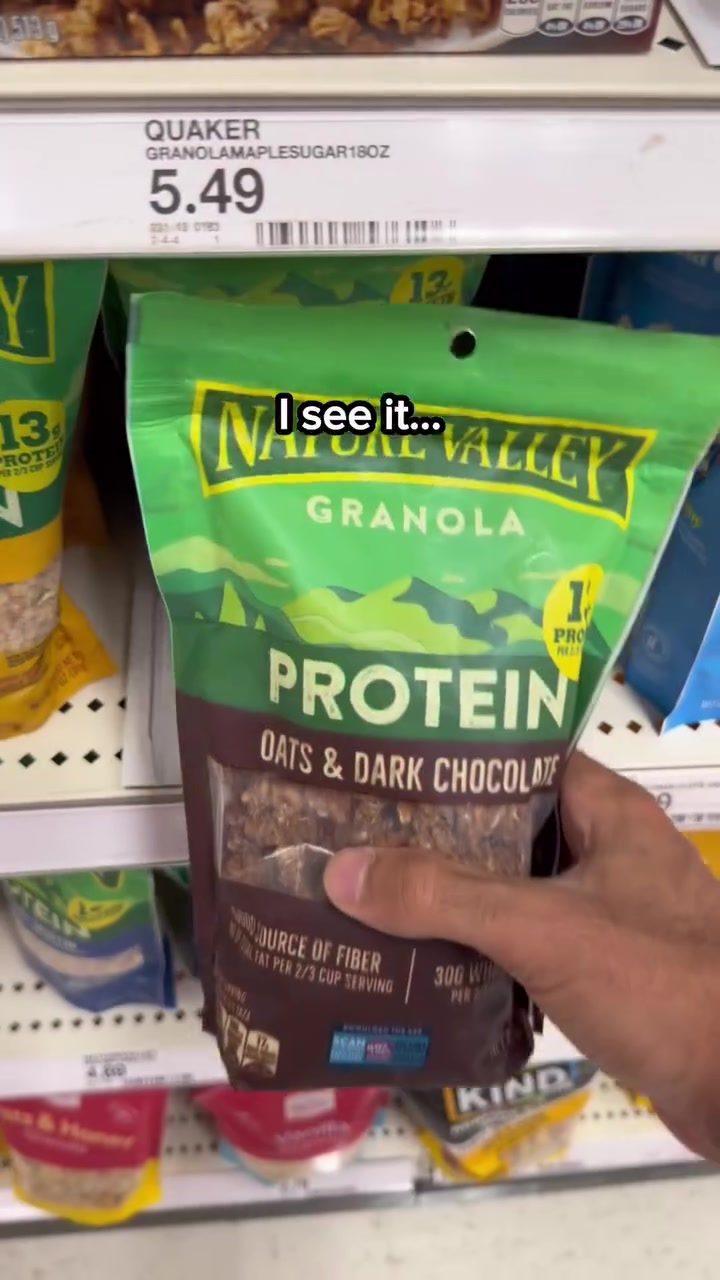
The process of deciding whether to buy an item like granola often involves several steps. These steps can be broken down into a cycle of attraction, evaluation, and ultimately, the decision to purchase or not. This cycle is evident in the act of picking up a box of Nature Valley granola, examining it, and then putting it back.
Seeing and Liking the Item
The first step in this cycle is seeing and liking the item. Whether it's the vibrant packaging, the alluring scent, or the promise of a delicious snack, the initial attraction is what draws you to the product. In the case of Nature Valley granola, the packaging and brand recognition can play a significant role in this attraction.
Checking the Price
Once you've picked up the item, the next step is to check the price. This is a crucial moment where budget considerations come into play. The price tag can either confirm your desire to purchase or act as a deterrent, leading you to reconsider your decision.
Wanting the Item
Despite the price, there's a moment where you genuinely want the item. This is the point of maximum temptation, where the desire to have the granola overpowers the rational part of your brain.
Putting It Back
However, this desire often clashes with practical considerations, such as budget constraints or dietary goals. This internal conflict can lead you to put the item back on the shelf, even if you still want it. It's a common scenario where the decision to prioritize financial stability over instant gratification plays out.
Factors Influencing the Decision
Several factors can influence the decision to buy or not buy an item:
- Budget Constraints: The most immediate factor is your budget. If the item exceeds your budget for that shopping trip, it's likely to be put back on the shelf.
- Nutritional Goals: If you're following a specific diet or nutritional plan, the item's nutritional value can impact your decision. For instance, if you're trying to eat healthier, a high-sugar granola might not align with your goals.
- Brand Loyalty: Brands like Nature Valley have built a reputation for quality, which can influence your decision. If you're loyal to a brand, you might be more inclined to purchase their products.
- Impulse Control: Your ability to resist impulse purchases can also play a significant role. Some people are better at delaying gratification, which can help in making more thoughtful purchases.
Practical Tips
Planning Ahead
One of the best ways to navigate the temptation of impulse purchases is to plan ahead. Make a shopping list before you go to the store and stick to it. This can help you avoid being swayed by products that catch your eye in the aisles.
Setting a Budget
Decide on a budget for your grocery trip and stick to it. This can help you avoid overspending and make more informed decisions about what you're buying. If you see something you like but it's over budget, consider saving it for another time or looking for a more affordable alternative.
Reading Nutrition Labels
When it comes to items like granola, reading nutrition labels can be incredibly useful. This can help you understand what you're actually buying and whether it aligns with your dietary goals. Look for items with lower sugar content and higher nutritional value.
Important Takeaways
- Decision-Making in Grocery Shopping: The process of picking up and putting back items is a common and relatable experience.
- Budget and Dietary Goals: These factors play a significant role in your decision to buy or not buy an item.
- Brand Loyalty and Impulse Control: These factors can either help you stick to your decisions or sway you towards impulse purchases.
- Planning and Budgeting: These strategies can help you make more thoughtful and financially responsible purchases.
Conclusion
Grocery shopping involves a series of decisions and internal conflicts, especially when it comes to items like granola. Understanding the factors that influence these decisions can help you navigate the aisles more effectively and make more satisfying purchases. Whether it's sticking to a budget, planning ahead, or reading nutrition labels, these strategies can help you make the most of your shopping experience.
Watch the Reel
Questions readers ask
Why do people often pick up and put back the same items while grocery shopping?
People often pick up and put back the same items due to a mental tug-of-war between desire and budget. This behavior reflects a constant evaluation of whether the purchase aligns with their financial plan and personal needs. It's a common aspect of grocery shopping habits, especially for indulgent or non-essential items.
How can understanding grocery shopping behavior help with budgeting?
Understanding your grocery shopping behavior can help with budgeting by making you more aware of your spending triggers. Recognizing the items you frequently pick up and put back can reveal areas where you might be overspending. By planning your grocery list in advance and sticking to it, you can better control your grocery expenses.
What strategies can be used to control impulse buying while grocery shopping?
To control impulse buying, consider making a detailed grocery list before heading to the store, and try to stick to it. Additionally, avoid shopping when hungry, as it can lead to unhealthy and impulsive food choices. Setting a budget for each shopping trip and using cash can also help you stay within your financial limits.
How does the grocery store environment influence food shopping psychology?
The grocery store environment is designed to encourage spending. Strategically placed items, appealing displays, and enticing smells can all influence your decisions in the aisles. Recognizing these tactics can help you make more mindful choices and avoid unnecessary purchases.
What are some benefits of planning a grocery list in advance?
Planning a grocery list in advance helps you stay organized, saves time, and prevents impulse buys. By knowing exactly what you need, you can avoid wander aimlessly through the aisles and make more efficient decisions. Additionally, planning your list can help ensure that you buy only what you need, reducing food waste and saving money.
How can grocery shopping for families differ from shopping for single individuals?
Grocery shopping for families often involves considering a wider range of tastes and dietary needs. It may also require buying in larger quantities to accommodate more people. Planning is essential to ensure that everyone's needs are met without overspending. In contrast, shopping for single individuals is typically simpler and involves less planning.
What are some tips for grocery shopping on a budget for special purchases, like granola or other treats?
To include special purchases like granola in your budget, set aside a specific amount for indulgent items. Consider looking for sales, using coupons, or opting for store-brand alternatives. Additionally, balance these treats with more affordable, nutritious staples to maintain a healthy and budget-friendly shopping cart.
Recent articles
Fresh deep dives from the latest Reels we unpacked.




Comments
Be the first to comment.