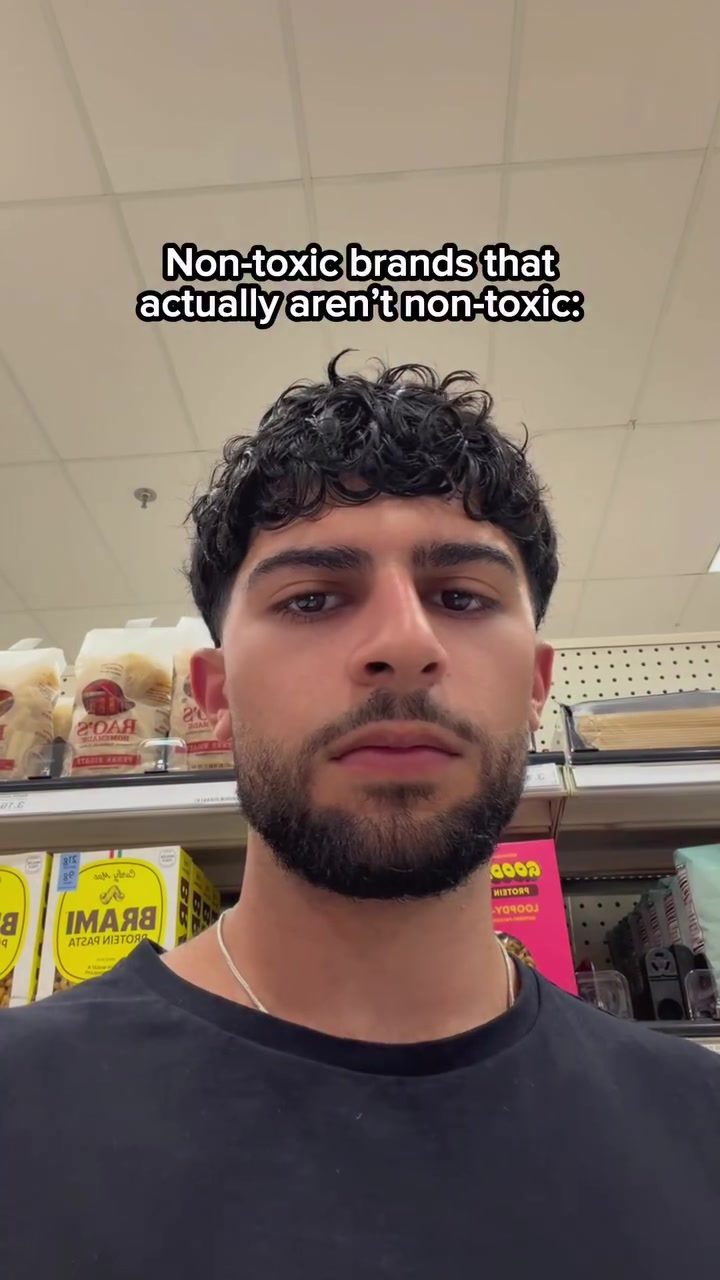
Non-Toxic Claims Under Scrutiny: An In-Depth Look at Popular Brands
Consumer products marketed as "non-toxic" are increasingly common, but some brands have faced legal challenges over their claims. Several well-known brands, including Dave's Killer Bread, Annie's, and Native, have been scrutinized for allegedly containing harmful substances despite their non-toxic labels.
Why This Matters
Consumers often seek out natural and non-toxic products to minimize exposure to harmful chemicals. However, when brands are sued for mislabeling, it raises questions about transparency and the authenticity of non-toxic claims. Understanding the specifics of these cases can help consumers make more informed decisions about the products they purchase.
Key Brands and Their Controversies
Dave's Killer Bread
Dave's Killer Bread is a staple in many grocery stores, known for its wholesome image and claims of non-toxic ingredients. However, the brand has been sued over allegations that some of its products contain glyphosate, a chemical commonly used in herbicides and linked to potential health risks.
Glyphosate and Its Implications
Glyphosate is widely used in agriculture to control weeds and has been a subject of intense debate due to its potential health impacts. Some studies suggest that prolonged exposure to glyphosate could be harmful, particularly in high concentrations. Concerns over glyphosate in everyday products have led consumers to demand greater transparency from food manufacturers.
Annie's
Annie's is another popular brand known for its organic and non-GMO products. However, the brand has faced legal scrutiny after tests detected phthalates in some of its pasta products. Phthalates are a group of chemicals used in various consumer products, including plastics and cosmetics, and have been linked to potential health risks.
Phthalates and Their Risks
Phthalates are known endocrine disruptors, which means they can interfere with the body's hormonal systems. Exposure to phthalates has been associated with various health issues, including reproductive problems and developmental delays in children. Given these risks, it's crucial for consumers to be aware of the presence of phthalates in the products they use.
Native
Native is a personal care brand known for its "natural" and "non-toxic" shampoos and other products. However, the brand has been sued over allegations that some of its products contain PFAS, often referred to as "forever chemicals."
Forever Chemicals and Their Persistence
PFAS, or per- and polyfluoroalkyl substances, are a group of man-made chemicals used in a variety of products, including non-stick cookware, water-repellent clothing, and cosmetics. These chemicals are known for their persistence in the environment and the human body, earning them the nickname "forever chemicals." Exposure to PFAS has been linked to various health issues, including cancer and immune system problems. Consumers concerned about these risks are increasingly seeking out PFAS-free products.
Other Notable Cases
Tom’s of Maine
Tom's of Maine, a brand known for its natural and cruelty-free products, has faced legal action over claims that some of its products marketed as natural contained synthetic ingredients. This case underscores the importance of transparency in labeling, as consumers may rely on these claims to make purchasing decisions.
Seventh Generation
Seventh Generation, a brand that focuses on environmentally friendly and non-toxic products, has also been sued over claims that some of its products contained synthetic preservatives. This highlights the need for brands to be clear and honest about their ingredient lists, as consumers expect natural and non-toxic alternatives to conventional products.
Hello
The toothpaste brand Hello, which markets itself as a non-toxic and cruelty-free alternative, has faced legal scrutiny after tests allegedly found heavy metals in certain products. Heavy metals, such as lead and mercury, can pose significant health risks, particularly in high concentrations. Consumers who rely on non-toxic brands expect them to be free of such contaminants.
Practical Tips for Consumers
Reading Labels Carefully
When shopping for non-toxic products, it's essential to read labels carefully. Look for certifications from reputable organizations, such as the Environmental Working Group (EWG) and the USDA Organic seal, which can provide some assurance that the product meets specific standards.
Conducting Research
Consumers can also conduct their own research by looking up the specific ingredients in products. Websites like the Environmental Working Group's Skin Deep database and the Campaign for Safe Cosmetics provide valuable information about the safety of various ingredients.
Checking for Legal Actions
Information about legal actions against brands can often be found in public records or through news articles. Staying informed about ongoing litigation can help consumers make more informed decisions about the products they purchase.
Supporting Transparent Brands
Consumers should support brands that prioritize transparency and are committed to using non-toxic ingredients. By choosing to buy from these companies, consumers can encourage more brands to adopt similar practices.
Important Takeaways
The controversies surrounding Dave's Killer Bread, Annie's, and Native serve as reminders that not all non-toxic claims are as straightforward as they seem. Consumers need to be vigilant about the products they choose, reading labels carefully and conducting their own research when necessary.
The Importance of Transparency
Transparency in labeling and ingredient disclosure is crucial for building trust with consumers. Brands that prioritize transparency are more likely to gain the loyalty of health-conscious consumers who seek non-toxic alternatives.
The Need for Regulation
These cases also highlight the need for stricter regulation and enforcement of non-toxic claims. Consumers rely on these claims to make informed decisions about their health and well-being, and regulatory bodies should ensure that brands are held accountable for their marketing practices.
Consumer Empowerment
Ultimately, consumers have the power to influence the market by choosing products that align with their values and health goals. By staying informed and making conscious purchasing decisions, consumers can help drive the demand for truly non-toxic products.
Conclusion
The legal challenges faced by brands like Dave’s Killer Bread, Annie’s, and Native underscore the complexity of non-toxic labeling in our grocery stores and personal care aisles. By understanding the specifics of these controversies and taking practical steps to inform their purchasing decisions, consumers can better navigate the market and advocate for greater transparency and accountability from brands.
Watch the Reel
Questions readers ask
What are glyphosate and phthalates, and why are they considered harmful?
Glyphosate is a widely used herbicide linked to potential health risks, including cancer and hormonal disruption. Phthalates are chemicals used in plastics and personal care products that can interfere with hormone function and may cause reproductive issues. Both are considered harmful due to their potential to negatively impact human health.
Which brands have recently faced lawsuits over non-toxic claims?
Several brands have been scrutinized for their non-toxic claims. Dave's Killer Bread is facing lawsuits over claims of glyphosate residue in their products, while Annie's has been called out for Phthalates in their pasta. Additionally, Native has faced legal challenges regarding the non-toxic labeling of their food products.
What are consumers seeking when they opt for non-toxic products?
Consumers often look for non-toxic products to minimize their exposure to harmful chemicals. They aim to avoid ingredients that may pose health risks, such as those found in Dave's Killer Bread and Annie's pasta, and to ensure the products they use are safe for themselves and their families.
What does the lawsuit against Annie's pasta claim?
The lawsuit against Annie's pasta alleges that their products, despite being labeled as non-toxic, contain phthalates. These chemicals can potentially pose serious health risks, making the case a critical one for consumers to consider the authenticity of non-toxic claims in their food products.
How does transparency in food labeling impact consumers?
Transparency in food labeling helps consumers make informed decisions about the products they buy. When brands are transparent, they build trust with consumers, enabling them to choose products they feel confident using, and avoiding potentially harmful ingredients like those in Dave's Killer Bread and Annie's pasta.
What should consumers do if they suspect a product is not truly non-toxic?
If consumers suspect a product is not truly non-toxic, they should review the ingredient list and research the product and the ingredients. Checking for independent certifications, and reading reviews and reports, such as the ones on the brands Dave's Killer Bread, Annie's, and Native, can also provide valuable information to inform purchasing decisions.
What steps can consumers take to ensure the products they buy are genuinely non-toxic?
Consumers can take several steps to ensure the products they buy are genuinely non-toxic. Opting for products with clear and comprehensive ingredient lists, checking for third-party certifications such as those from the USDA, and staying informed about ongoing legal cases about harmful ingredients can be tremendously helpful in their pursuit of safer products.
Recent articles
Fresh deep dives from the latest Reels we unpacked.




Comments
Be the first to comment.