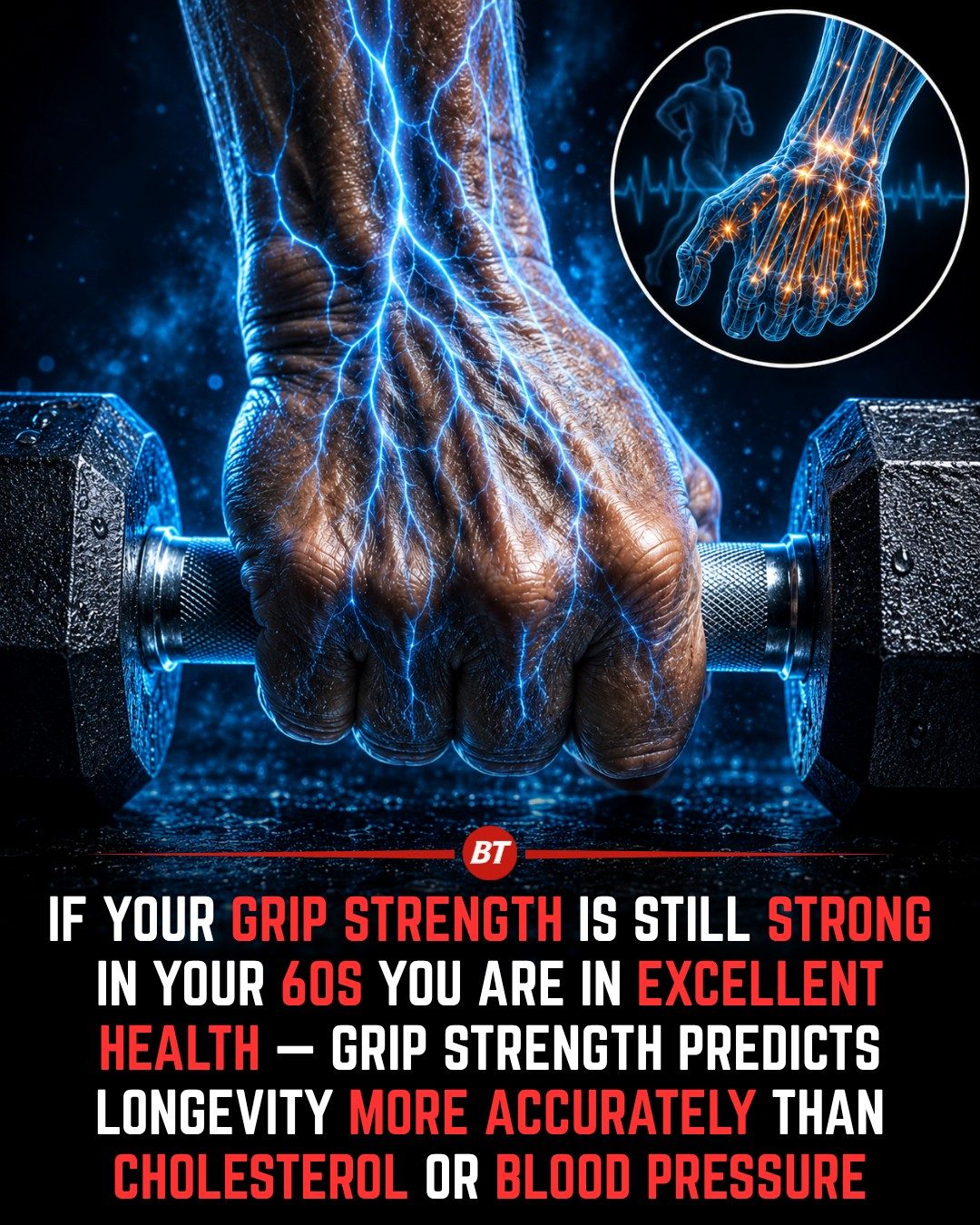
Grip Strength and Longevity
Grip strength is a powerful indicator of overall health and longevity. It reflects much more than just the ability to hold onto objects—it serves as a reliable predictor of healthy aging. This simple measurement reveals insights into muscle mass, nervous system function, mobility, and overall physical resilience. Researchers have found that grip strength is a strong predictor of longevity, often outperforming traditional health markers like cholesterol and blood pressure.
Why This Matters
Understanding the significance of grip strength can empower individuals to take proactive steps towards maintaining their health. As we age, maintaining muscle mass and strength becomes crucial for preventing age-related issues such as balance problems, mobility limitations, and metabolic dysfunction. Grip strength provides a snapshot of our body's overall muscular health, alerting us to potential declines in physical function before they impact daily life.
The Science Behind Grip Strength
Grip strength is more than just a measure of hand strength. It reflects the condition of multiple body systems, making it a valuable tool for assessing overall health. Studies have shown that adults with stronger grip strength are less likely to experience disability, frailty, hospitalization, and premature death. This is because grip strength is closely linked to muscle mass and function, which decline with age in a condition known as sarcopenia.
Predictive Power
Grip strength can predict longevity more accurately than traditional health markers. Researchers have found that grip strength is a strong indicator of overall physical resilience. It acts as a vital sign for healthy aging, reflecting the condition of the musculoskeletal, nervous, and cardiovascular systems. By monitoring grip strength, individuals can gain insights into their overall health and take steps to maintain or improve it.
The Link to Muscle Mass
As we age, muscle mass and strength naturally decline, a condition known as sarcopenia. This decline can affect balance, mobility, metabolism, and independence. Grip strength is often one of the earliest indicators of these changes. By maintaining or improving grip strength, individuals can mitigate the effects of sarcopenia and preserve their overall health and mobility.
Practical Tips to Improve Grip Strength
Improving and maintaining grip strength is achievable through various activities and exercises. Incorporating these practices into daily life can help sustain muscle mass and overall physical resilience.
Resistance Training
Resistance training is one of the most effective ways to maintain and improve grip strength. Activities such as lifting dumbbells, using resistance bands, and performing bodyweight exercises like pull-ups or push-ups can help build and maintain muscle mass and strength.
Daily Activities
Simple daily activities can also contribute to improving grip strength. Carrying grocery bags, hanging from a bar, gardening, and engaging in racquet sports are all excellent ways to strengthen the hands and forearms. These activities not only improve grip strength but also offer other health benefits, such as cardiovascular exercise and improved coordination.
Important Takeaways
Grip strength is a crucial indicator of overall health and longevity. By maintaining and improving grip strength, individuals can enhance their physical resilience, reduce the risk of age-related issues, and enjoy a longer, healthier life. Regular resistance training and daily activities that challenge the hands and forearms can help sustain grip strength well into the later years.
Conclusion
Grip strength is a powerful indicator of overall health and longevity, reflecting muscle mass, nervous system function, mobility, and overall physical resilience. By understanding the significance of grip strength and taking steps to maintain or improve it, individuals can enhance their overall health and well-being. Incorporating resistance training and daily activities that challenge the hands and forearms can help sustain grip strength and support a longer, healthier life.
Watch the Reel
Questions readers ask
What is a grip strength test and how is it performed?
A grip strength test measures the force applied by the hand using a device called a dynamometer. To perform the test, you typically squeeze the dynamometer with your dominant hand, progressively increasing your force until you reach your maximum. The test is usually repeated a few times to ensure accuracy, and the highest value recorded is used as your grip strength score.
How does grip strength relate to overall health and longevity?
Grip strength is a strong indicator of overall health and longevity. It reflects muscle mass, nervous system function, mobility, and physical resilience. Studies have shown that low grip strength can predict future health issues and even mortality, performing better than traditional health markers.
What are some effective grip strength exercises?
There are several exercises that can help improve grip strength. These include using a grip strengthener or stress ball, performing farmer's walks with heavy dumbbells, doing dead hangs on a pull-up bar, and incorporating exercises like plate pinches and rice bucket drills into your routine.
Why is grip strength an important indicator of healthy aging?
Grip strength serves as a snapshot of your body's muscular health. It predicts physical declines before they impact daily life, making it a vital sign for healthy aging. Maintaining a strong grip can help prevent age-related issues like balance problems and mobility limitations.
How frequently should I test my grip strength?
To track your progress and maintain optimal health, consider testing your grip strength every 3 to 6 months. Regular testing allows you to monitor changes and make adjustments to your fitness or strength-training routine as needed. It is also a good idea to compare your results with standard norms for your age and gender.
Can improving grip strength benefit other aspects of my physical health?
Yes, improving your grip strength can have a positive impact on other aspects of your physical health. A stronger grip can enhance your overall muscle mass and strength, improve your nervous system function, and boost your mobility, coordination, and balance.
What factors can influence my grip strength test results?
Several factors can influence your grip strength test results, including age, gender, and overall fitness level. Additionally, factors such as hand dominance, hand size, and the specific type of dynamometer used can affect your results. It is important to use a standardized testing protocol to ensure accurate and reliable measurements.
Related deep dives
Similar reads based on topic and creator.




Recent articles
Fresh deep dives from the latest Reels we unpacked.




Comments
Be the first to comment.