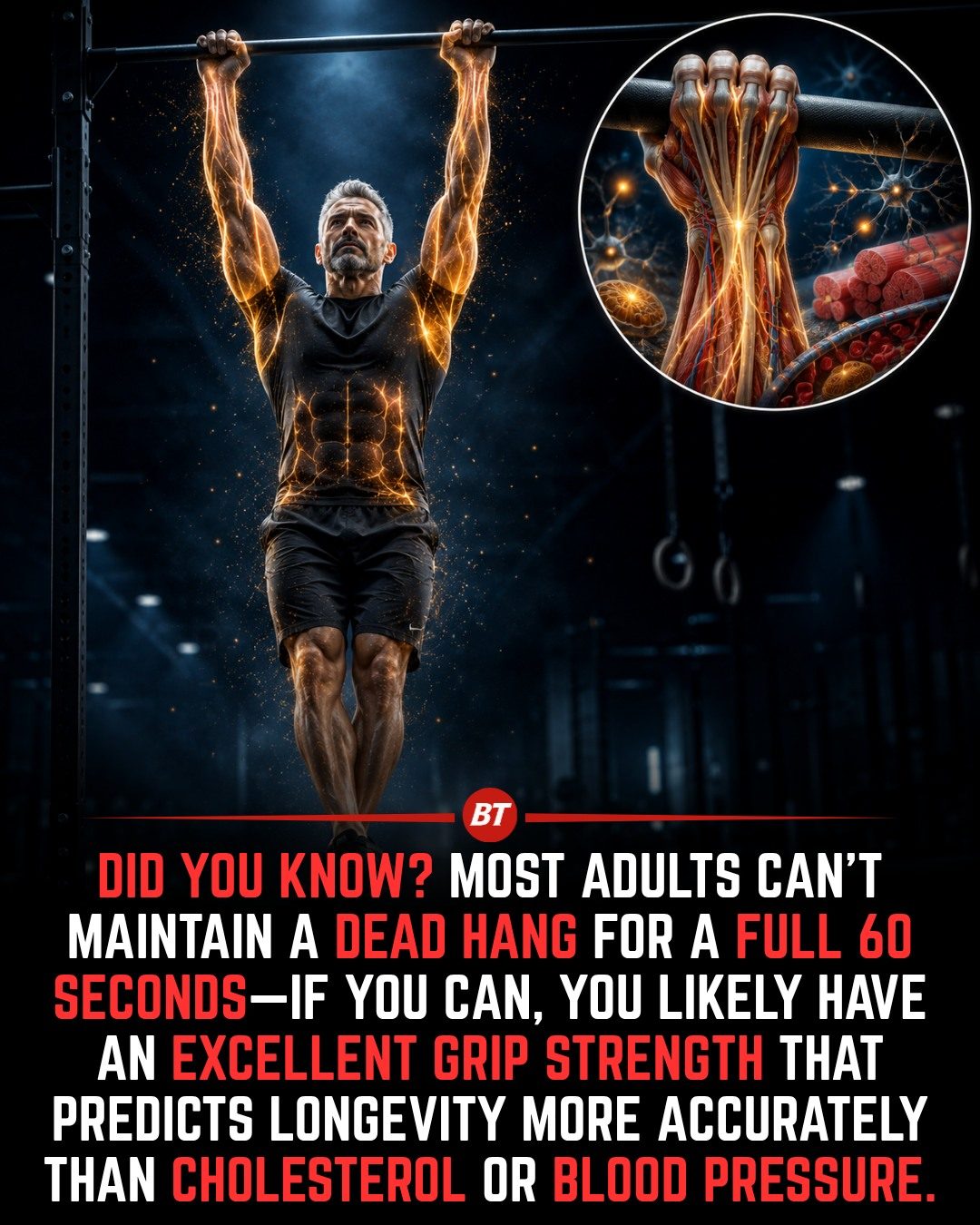
Grip Strength and Longevity
Grip strength is more than just a measure of hand strength; it's a critical indicator of overall health and longevity. While many people focus on body weight or appearance, recent research has shown that how strongly you can hold onto something is closely linked to healthy aging and overall longevity. This makes grip strength a valuable metric to consider for maintaining long-term health.
Context / Why this matters
Grip strength isn't just about opening jars or carrying groceries—it's about your overall health. Studies have shown that grip strength can be a better predictor of health than traditional indicators like cholesterol or blood pressure. This is because grip strength reflects the health of your muscles, bones, and even your cardiovascular system. By maintaining strong grip endurance, you can improve not only your functional fitness but also your quality of life as you age.
Main discussion
What is Grip Strength?
Grip strength refers to the force applied by the hand to pull on or suspend from an object, like a bar. It involves the muscles of the hands, forearms, and shoulders, and is a crucial component of upper-body strength. A simple dead hang, where you suspend your body weight from a bar, challenges not just your hands but also your forearms, shoulders, upper back, and core. This exercise requires these muscle groups to work together, supporting your entire body weight.
The Correlation Between Grip Strength and Longevity
Research has consistently shown that grip strength is closely linked to healthy aging and overall longevity. According to one of the largest studies on the subject, lower grip strength was associated with a higher risk of cardiovascular disease, disability, and premature death. This study, published in The Lancet, followed nearly 140,000 adults across 17 countries and provided valuable insight into how grip strength can be an inexpensive measure of overall muscle function. Stronger grip strength can also contribute to better cardiovascular health and reduce the risk of chronic diseases that often come with aging.
How Grip Strength Affects Daily Life
Beyond the gym, grip strength plays a crucial role in everyday tasks. Activities like carrying groceries, opening jars, and maintaining independence as you get older are all easier with a strong grip. As we age, these tasks can become more challenging, but regular grip strength training can help maintain functional fitness and make daily activities more manageable. By improving grip strength, you can enhance your overall quality of life and maintain independence for longer.
Practical tips
How to Improve Grip Strength
Improving grip strength is highly trainable, and there are several effective exercises and activities you can incorporate into your routine. Here are some practical tips to help you get started:
- Dead Hangs: Start by hanging from a pull-up bar for as long as you can maintain good form, then gradually increase your time. Aim for 2–3 sets each week.
- Farmer's Carries: Hold a heavy weight in each hand and walk for a set distance, then repeat. This exercise works your grip, forearms, and shoulders.
- Pull-Ups: This compound exercise targets multiple muscle groups, including your back, shoulders, and core, while also challenging your grip strength.
- Resistance Training: Incorporate exercises like wrist curls, hammer curls, and reverse wrist curls into your workout routine to specifically target your grip and forearm muscles.
- Everyday Activities: Even simple tasks like gardening or climbing can help strengthen your grip. Engage in these activities regularly to maintain and improve your grip strength.
Incorporating Grip Strength Training into Your Routine
To see noticeable improvements, consistency is key. Make grip strength training a regular part of your fitness routine. Start with simple exercises and gradually increase the intensity and duration as you get stronger. Remember, even small improvements in grip strength can contribute to better overall functional fitness and health.
Important takeaways
Grip strength is more than just a measure of hand strength—it's a critical indicator of overall health and longevity. Regularly training your grip strength can help improve your quality of life, reduce the risk of chronic diseases, and maintain functional fitness as you age.
Conclusion
Grip strength is a powerful indicator of overall health and longevity. By incorporating grip strength exercises into your routine, you can improve your overall fitness and quality of life. Whether you're hanging from a pull-up bar, carrying groceries, or gardening, strong grip strength makes a tangible difference in your daily activities and long-term health. Don't overlook the importance of grip strength—start training today for a healthier, more independent future.
Watch the Reel
Questions readers ask
Why is grip strength an important indicator of overall health?
Grip strength is a crucial indicator of overall health because it reflects the condition of your muscles, bones, and cardiovascular system. It is often a better predictor of health outcomes than traditional markers like cholesterol or blood pressure. Maintaining strong grip strength can enhance your functional fitness and improve your quality of life as you age.
How does grip strength relate to longevity?
Grip strength is closely linked to longevity because it serves as a comprehensive measure of your overall physical health. Research has shown that individuals with stronger grip strength tend to live longer and have better health outcomes. This makes grip strength a valuable metric for assessing long-term health and healthy aging.
What are some exercises to improve grip strength?
To improve grip strength, incorporate exercises like dead hangs, farmer's walks, and using grip strengtheners. These exercises target the muscles in your hands, forearms, and fingers, helping to build overall grip strength. Additionally, activities like rock climbing or using resistance bands can also be beneficial.
Can grip strength predict cardiovascular health?
Yes, grip strength can predict cardiovascular health. Strong grip strength indicates that your cardiovascular system is functioning well, as it requires robust blood flow and muscle function. Studies have shown that individuals with higher grip strength often have better cardiovascular health and lower risks of heart disease.
How does grip strength compare to other health markers?
Grip strength often outperforms traditional health markers like cholesterol or blood pressure in predicting overall health and longevity. This is because it provides a more holistic view of your physical condition, encompassing muscle strength, bone density, and cardiovascular health. Regularly monitoring your grip strength can offer insights into your overall health and fitness levels.
What are the benefits of maintaining good grip strength?
Maintaining good grip strength offers numerous benefits, including improved functional fitness, better quality of life, and enhanced longevity. It helps with daily activities like opening jars, carrying groceries, and even performing tasks that require fine motor skills. Strong grip strength also supports overall bone and muscle health, reducing the risk of injuries and falls.
What are some signs of weak grip strength and what can I do about it?
Signs of weak grip strength include difficulty opening jars, holding onto objects, or performing tasks that require hand and forearm strength. If you notice these signs, consider incorporating grip strength exercises into your routine. Consulting with a healthcare professional can also provide personalized guidance and tips for improving your grip strength.
Related deep dives
Similar reads based on topic and creator.




Recent articles
Fresh deep dives from the latest Reels we unpacked.




Comments
Be the first to comment.