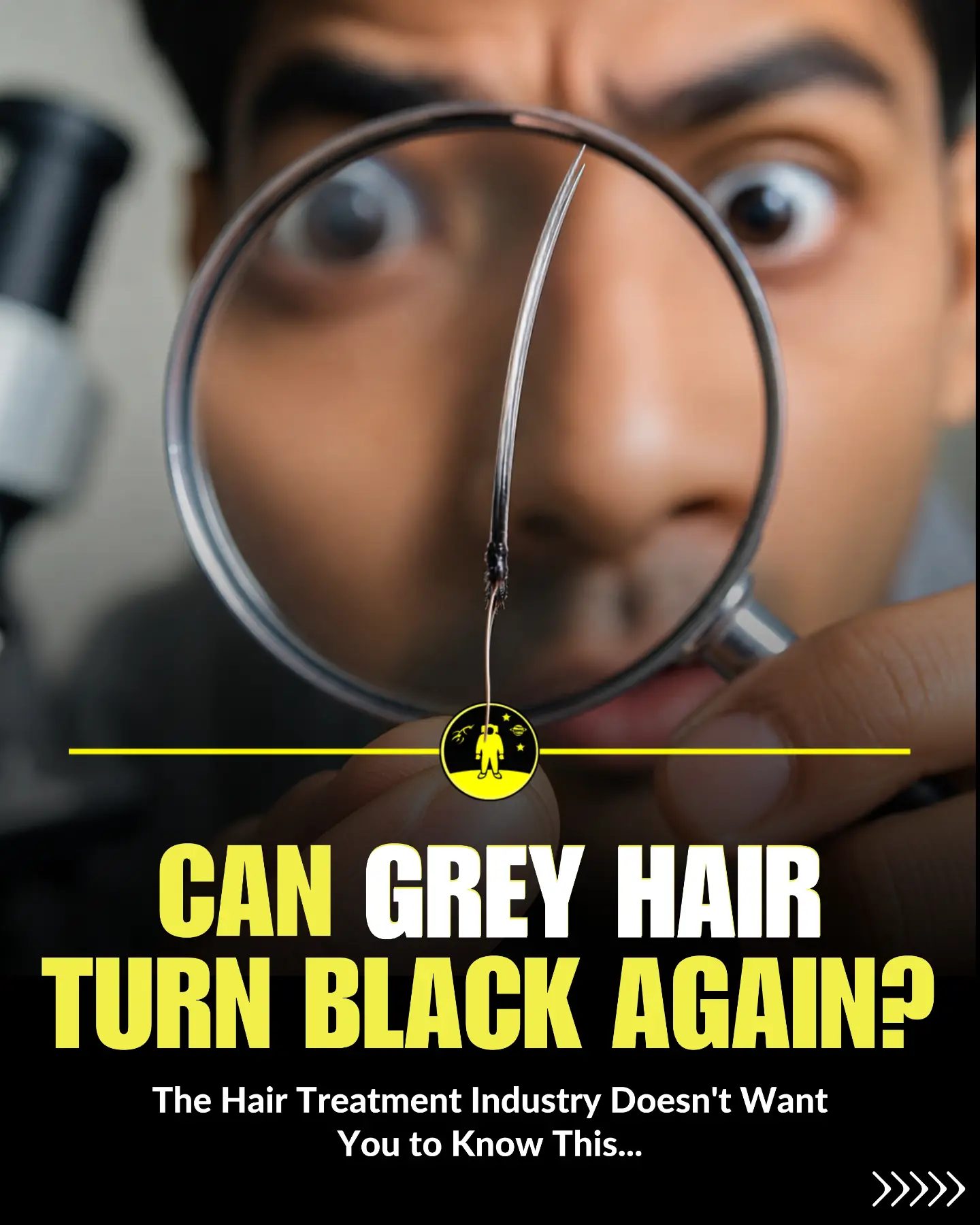
Grey Hair Reversal: Separating Fact from Fiction
Grey hair is a common concern, with countless products claiming to reverse it. The reality, however, is more complex than most advertisements suggest. Understanding the causes of grey hair and the effectiveness of various treatments can help manage expectations and make informed decisions.
Why This Matters
Grey hair is often seen as a sign of aging, but it can also be a sign of underlying health conditions. Navigating the marketplace of grey hair treatments can be confusing, and it's essential to separate marketing claims from evidence-based information. This ensures that any steps taken are both safe and effective.
The Science Behind Grey Hair
Genetics and Aging
Grey hair is primarily determined by genetics and the natural aging process. As people age, the melanin production in the hair follicles decreases, leading to a loss of pigment and the appearance of grey or white hair. This process is a natural part of aging and is not typically reversible with hair care products.
Medical Conditions and Nutritional Deficiencies
While genetics and aging are the primary causes of grey hair, certain medical conditions and nutritional deficiencies can also contribute to premature greying. These include:
- Vitamin deficiencies: Particularly B vitamins, which are essential for hair health.
- Thyroid disorders: Such as hyperthyroidism or hypothyroidism, which can affect hair pigmentation.
- Autoimmune disorders: Conditions like alopecia areata, which can cause hair to turn grey prematurely.
Addressing these underlying medical conditions can sometimes improve hair pigmentation, but the effectiveness varies widely. Proper treatment under the guidance of a healthcare professional is crucial.
Treatments and Claims
The Market of Grey Hair Treatments
The market is flooded with products claiming to reverse grey hair, including oils, shampoos, and supplements. However, current scientific evidence shows that these products have not been proven to reliably turn grey hair back to its original color.
Evidence-Based Information
It's important to consult credible sources when evaluating the effectiveness of grey hair treatments. Clinical studies and scientific research provide the most reliable information. If a brand claims to permanently restore natural hair color, ask for high-quality human clinical studies to support their claims.
Practical Tips for Managing Grey Hair
When to Seek Professional Help
If you notice sudden or unusually early greying, it may be a sign of an underlying medical condition. In such cases, consult a qualified healthcare professional. Early greying can be defined as:
- Before the age of 20 in White populations
- Before the age of 25 in Asian populations
- Before the age of 30 in Black populations
A healthcare professional can check for nutritional deficiencies, thyroid disorders, and other treatable causes.
Lifestyle Factors
While lifestyle factors like healthy nutrition, adequate sleep, and stress management do not guarantee to reverse grey hair, they are essential for overall hair health. A balanced diet rich in vitamins and minerals, regular sleep, and effective stress management can support hair health and overall well-being.
Natural Remedies
There are several natural remedies and lifestyle changes that can support hair health, including:
- Aloe Vera: Known for its soothing properties, aloe vera can help maintain scalp health.
- Amla (Indian Gooseberry): Rich in vitamin C and antioxidants, it is often used to promote hair health.
- Coconut Oil: Can help maintain scalp moisture and reduce protein loss.
- Black Tea: Rich in antioxidants, it may support hair health when applied topically.
However, it's important to note that while these remedies may support hair health, they do not typically reverse grey hair.
Important Takeaways
- Grey hair is primarily caused by genetics and aging and cannot be reversed by common hair care products.
- Certain medical conditions and nutritional deficiencies can cause premature greying.
- Always seek professional help if you notice unusually early greying.
- Separate marketing claims from evidence-based information.
- Maintain a healthy lifestyle to support overall hair health.
Conclusion
Navigating the world of grey hair treatments can be challenging. By understanding the causes of grey hair and the limitations of current treatments, you can make informed decisions. Always prioritize evidence-based information and consult healthcare professionals when needed. This approach ensures that any steps taken are both safe and effective, supporting overall hair health and well-being.
Watch the Reel
Related deep dives
Similar reads based on topic and creator.

Recent articles
Fresh deep dives from the latest Reels we unpacked.




Comments
Be the first to comment.