Ecological Restoration: The Great Green Wall
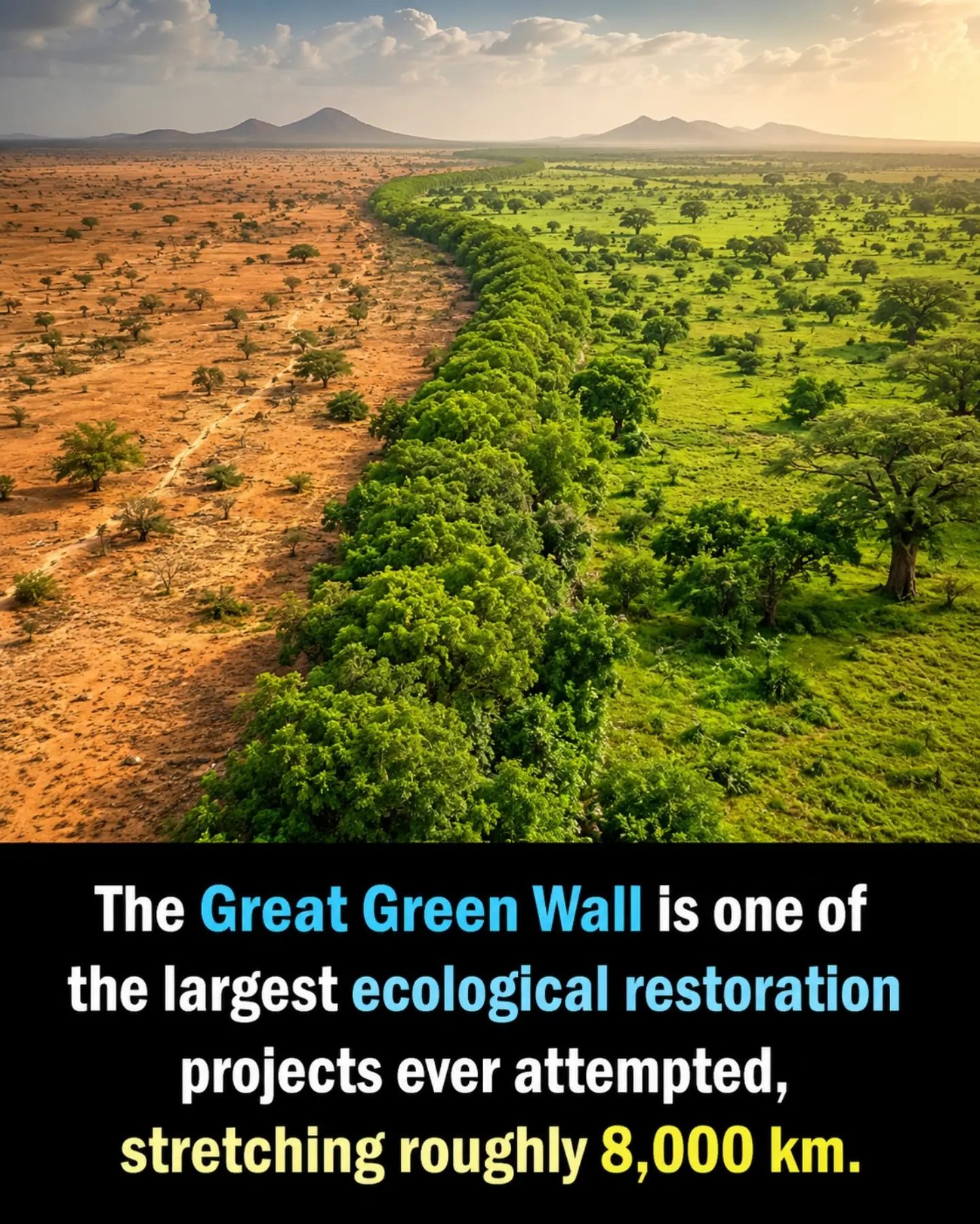
The Great Green Wall is an ambitious ecological restoration project spanning roughly 8,000 kilometers across Africa. The initiative aims to combat desertification and restore degraded land, creating a stark contrast between barren deserts and lush forests along its path. This project stands as a testament to large-scale environmental conservation efforts and their transformative impact on landscapes and ecosystems.
Context / Why This Matters
Ecological restoration is crucial for maintaining biodiversity, mitigating climate change, and supporting local communities. The Great Green Wall, an initiative to combat desertification and restore degraded land, is a monumental undertaking that showcases the potential of large-scale environmental efforts. By creating a vast green belt across Africa, the project aims to revive ecosystems, support livelihoods, and address the pressing issue of desertification. Understanding the scope, goals, and progress of such initiatives provides valuable insights into global environmental challenges and innovative solutions.
Main Discussion
The Scope and Goals of the Great Green Wall
The Great Green Wall is an ambitious initiative to combat desertification and restore degraded land across Africa. This vast project stretches approximately 8,000 kilometers and aims to create a green belt that spans eleven countries from Senegal to Djibouti. The primary goal is to restore degraded lands, combat desertification, and support local communities by creating a sustainable ecosystem.
The Visual Impact of Restoration
The Great Green Wall showcases the dramatic impact of ecological restoration. The visual contrast between barren, arid deserts and lush, green forests highlights the transformative power of large-scale environmental projects. This stark division underscores the critical need for sustained efforts in land restoration and conservation.
Combating Desertification
Desertification is a significant environmental challenge, affecting millions of people and ecosystems worldwide. The Great Green Wall aims to address this issue head-on by restoring degraded lands and preventing further desert expansion. By promoting sustainable land use practices and reforestation, the project seeks to create a resilient ecosystem that can withstand environmental stresses and support biodiversity.
Practical Tips
Community Involvement
Community involvement is crucial for the success of ecological restoration projects. Engaging local communities in planning, implementation, and monitoring ensures that the project benefits them directly and fosters a sense of ownership. Providing training and resources to local communities can enhance their capacity to manage and sustain the restored landscapes.
Sustainable Land Use Practices
Implementing sustainable land use practices is essential for long-term ecological restoration. This includes promoting agroforestry, conserving water resources, and using sustainable farming methods. By adopting these practices, communities can maintain the restored ecosystems, improve soil health, and enhance agricultural productivity.
Monitoring and Evaluation
Continuous monitoring and evaluation are vital for assessing the progress and impact of ecological restoration projects. Regular assessments help identify areas that need improvement, track the success of restoration efforts, and make data-driven decisions. Utilizing modern technology, such as satellite imagery and remote sensing, can provide valuable insights and support effective project management.
Important Takeaways
Ecological restoration projects like the Great Green Wall demonstrate the potential for large-scale environmental initiatives to transform landscapes and address global challenges. By combining technological advancements, community involvement, and sustainable practices, these projects can create resilient ecosystems that support biodiversity and local communities. The Great Green Wall serves as an inspiring example of what can be achieved through collective effort and innovative solutions.
Conclusion
The Great Green Wall represents a significant milestone in ecological restoration efforts. By restoring degraded lands and combating desertification, this initiative highlights the transformative power of large-scale environmental projects. Understanding the scope, goals, and practical aspects of the Great Green Wall provides valuable insights into the challenges and opportunities in environmental conservation. Through community involvement, sustainable practices, and continuous evaluation, such projects can pave the way for a greener, more resilient future.
Watch the Reel
Questions readers ask
What is the primary goal of the Great Green Wall initiative in Africa?
The primary goal of the Great Green Wall initiative is to combat desertification and restore degraded land across Africa. This is achieved through large-scale tree planting and sustainable land management practices, aiming to create a vast green belt that stretches across 8,000 kilometers.
Which countries are involved in the Great Green Wall project?
The Great Green Wall project spans across eleven African countries. These countries include Senegal, Mauritania, Mali, Burkina Faso, Niger, Nigeria, Chad, Sudan, Ethiopia, Eritrea, and Djibouti. Each country contributes to the collective effort of restoring the landscape and supporting local communities.
How does the Great Green Wall project support local communities?
The Great Green Wall project supports local communities by providing job opportunities in reforestation and sustainable agriculture. Additionally, the restored ecosystems offer improved access to resources like water and fertile land, enhancing the livelihoods of people in the affected regions.
What are some of the environmental benefits of the Great Green Wall?
The environmental benefits of the Great Green Wall include mitigating climate change through carbon sequestration, preserving biodiversity by creating habitats for various plant and animal species, and improving soil health. The project also helps to regulate local climates and prevent further land degradation.
What role do local communities play in the Great Green Wall initiative?
Local communities play a crucial role in the Great Green Wall initiative. Many projects are community-led, and local inhabitants provide the labor and expertise needed for sustainable land management. Their involvement ensures that the project not only restores the land but also empowers communities to maintain the restored ecosystems.
How can individuals contribute to the Great Green Wall project?
Individuals can contribute to the Great Green Wall project through donations. Many organizations involved in the initiative accept contributions to support reforestation efforts, community development, and the overall sustainability of the project. Additionally, raising awareness about the initiative can help garner more support and resources.
What challenges does the Great Green Wall project face?
The Great Green Wall project faces several challenges, including funding shortages, political instability in some regions, and the immense scale of the task. Additionally, ensuring the long-term sustainability of the restored ecosystems and the involvement of local communities in the project are ongoing challenges that require continuous attention and support.
Related deep dives
Similar reads based on topic and creator.




Recent articles
Fresh deep dives from the latest Reels we unpacked.




Comments
Be the first to comment.