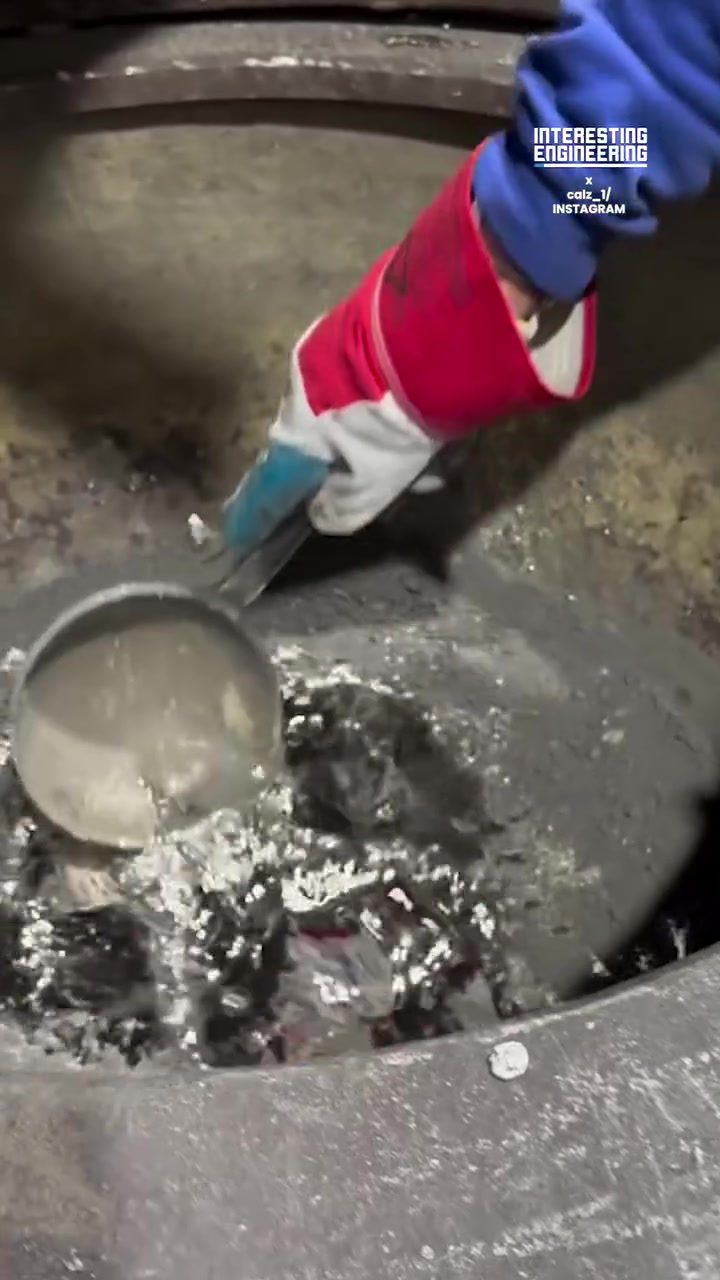
Industrial Cleaning Devices
Industrial cleaning devices are essential for maintaining the efficiency and longevity of machinery in various sectors. These devices are designed to tackle the unique challenges of industrial environments, where machinery can become clogged with debris, grease, and other contaminants. Let's dive into the importance of these devices, their key features, and practical tips for using them effectively.
Why This Matters
Industrial machinery is the backbone of many manufacturing and production processes. Over time, these machines accumulate dirt, grease, and other residues, which can impair their performance and lead to costly downtime. Regular cleaning is crucial to prevent such issues and ensure that machinery operates at peak efficiency. Industrial cleaning devices play a vital role in this maintenance process, helping to remove debris from hard-to-reach areas and ensuring that machinery remains in optimal condition.
Understanding Industrial Cleaning Devices
Industrial cleaning devices come in various forms, each designed to address specific cleaning challenges. These devices often feature unique designs that allow them to reach into tight spaces, making them ideal for cleaning complex machinery. Let's explore some of the key features and types of industrial cleaning devices.
Key Features
-
Ergonomic Design: Many industrial cleaning devices are designed with ergonomics in mind. This means they are easy to handle and use, reducing operator fatigue and improving overall efficiency.
-
Durability: Industrial environments can be harsh, with exposure to heat, chemicals, and heavy machinery. Industrial cleaning devices are built to withstand these conditions, ensuring long-term reliability.
-
Versatility: These devices are often versatile, capable of handling a wide range of cleaning tasks. Whether you need to remove grease, dust, or other contaminants, there's likely a device that can handle the job.
-
Precision Cleaning: Industrial cleaning devices are designed to reach into tight spaces and clean precision components. This is crucial for maintaining the performance of complex machinery.
Types of Industrial Cleaning Devices
-
High-Pressure Washing Machines: These devices use high-pressure water jets to remove debris from machinery. They are effective for cleaning large surfaces and removing tough stains.
-
Ultrasonic Cleaners: Ultrasonic cleaners use high-frequency sound waves to agitate a cleaning solution, dislodging dirt and contaminants. They are ideal for cleaning precision parts and delicate equipment.
-
Vacuum Systems: Industrial vacuums are designed to remove dust, debris, and other particles from machinery. They come in various types, including wet/dry vacuums and HEPA-filtered vacuums.
-
Steam Cleaners: Steam cleaners use high-temperature steam to clean and disinfect surfaces. They are effective for removing grease, stains, and bacteria, making them ideal for food processing and healthcare industries.
Practical Tips for Using Industrial Cleaning Devices
To get the most out of your industrial cleaning devices, follow these practical tips:
-
Choose the Right Device: Select a cleaning device that matches the specific needs of your machinery. Consider factors such as the type of contaminants, the complexity of the machinery, and the cleaning solution required.
-
Regular Maintenance: Regularly inspect and maintain your cleaning devices to ensure they are in good working order. This includes checking for wear and tear, replacing filters, and performing routine servicing.
-
Safety Precautions: Always follow safety guidelines when using industrial cleaning devices. This includes wearing appropriate personal protective equipment (PPE) and ensuring that the device is properly grounded.
-
Proper Disposal: Properly dispose of cleaning solutions and waste according to local regulations. This helps to protect the environment and ensure compliance with health and safety standards.
-
Training: Ensure that operators are properly trained on how to use the cleaning devices. This includes understanding the device's features, safety precautions, and best practices for effective cleaning.
Important Takeaways
-
Preventative Maintenance: Regular cleaning with industrial devices can prevent costly downtime and ensure that machinery operates at peak efficiency.
-
Versatility and Precision: Choose devices that can handle a variety of cleaning tasks and reach into tight spaces, ensuring thorough cleaning.
-
Safety and Compliance: Always follow safety guidelines and local regulations to ensure safe and compliant cleaning practices.
Conclusion
Industrial cleaning devices are indispensable for maintaining the performance and longevity of machinery in industrial settings. By understanding the key features, types, and practical tips for using these devices, you can ensure that your machinery remains clean, efficient, and reliable. Whether you're dealing with high-pressure washing machines, ultrasonic cleaners, or steam cleaners, the right device can make a significant difference in your industrial cleaning processes.
Watch the Reel
Questions readers ask
What is gravity casting and how does it benefit tin lead alloy production?
Gravity casting is a metal casting process where molten metal is poured into a mold using only the force of gravity. This method improves tin lead alloy production by reducing turbulence, leading to fewer defects and a more uniform composition in the final product.
How does gravity casting enhance the quality of tin lead alloy bars?
Gravity casting enhances the quality of tin lead alloy bars by promoting a slower, more controlled solidification process. This results in a finer grain structure, improved mechanical properties, and reduced porosity, making the bars stronger and more reliable.
What are the key advantages of using gravity casting in industrial alloy production?
The key advantages include better control over the molten metal handling, reduced risk of contamination, less mechanical stress on the molds, and lower energy consumption. These factors contribute to a more efficient and cost-effective alloy production process.
How does regular cleaning of casting equipment impact tin lead alloy production?
Regular cleaning of casting equipment is vital for maintaining the integrity and performance of the machinery. It prevents the buildup of residues and contaminants that can interfere with the casting process, ensuring consistent quality and prolonging the lifespan of the equipment.
What are the benefits of gravity casting over other metal casting processes in industrial settings?
Gravity casting offers several benefits, including lower operational costs, reduced need for complex machinery, and the ability to produce high-quality, defect-free castings. It is particularly advantageous in industrial settings where precision and reliability are paramount.
How does gravity casting improve the consistency of industrial tin production?
Gravity casting improves the consistency of industrial tin production by providing a more controlled and predictable metal flow. This reduces variability in the casting process, leading to more uniform tin lead alloy bars and a higher overall production yield.
Related deep dives
Similar reads based on topic and creator.

Recent articles
Fresh deep dives from the latest Reels we unpacked.




Comments
Be the first to comment.