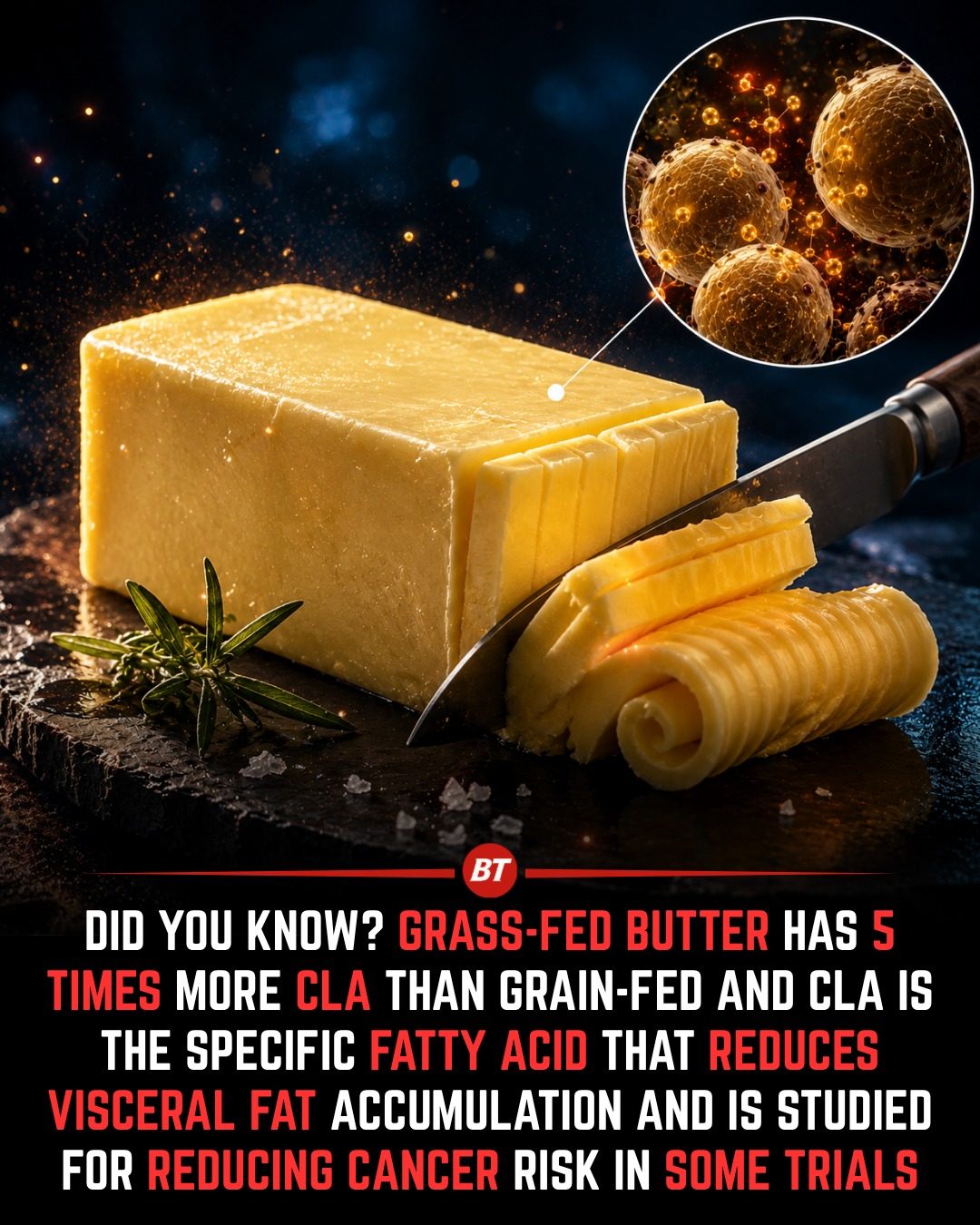
Grass-Fed Butter Benefits
Grass-fed butter isn't just a trendy food item; it offers a range of health benefits that make it a worthwhile addition to your diet. But what exactly sets grass-fed butter apart from conventional butter, and why should you consider incorporating it into your meals?
Why This Matters
The debate between grass-fed and conventional butter goes beyond taste preferences. Understanding the nutritional differences can help you make informed choices that align with your health goals. Grass-fed butter often contains higher levels of beneficial fatty acids and vitamins compared to conventional butter. This difference can impact your overall health, particularly in areas like body composition, metabolism, and immune function.
The Science Behind Grass-Fed Butter
What is CLA?
Conjugated Linoleic Acid (CLA) is a unique fatty acid found naturally in meat and dairy products, with higher concentrations in products from grass-fed animals. Grass-fed butter has been found to contain significantly more CLA than conventional butter. CLA is known for its potential to influence body composition, specifically by reducing visceral fat accumulation, the type of fat that surrounds vital organs and is linked to metabolic disorders.
Metabolic and Immune Health
CLA has been studied for its potential role in metabolic health. Some research suggests that it may help reduce inflammation and improve fat metabolism, both of which are crucial for maintaining a healthy weight and overall well-being. Grass-fed butter, due to its higher CLA content, could be a valuable addition to a balanced diet aimed at supporting metabolic health.
Vitamins and Fatty Acids
In addition to CLA, grass-fed butter contains higher levels of omega-3 fatty acids, vitamin K2, and beta-carotene. Vitamin K2 is essential for bone health and blood clotting, while beta-carotene is a precursor to vitamin A, important for vision and immune function. Omega-3 fatty acids are known for their anti-inflammatory properties and their role in heart health.
The Role of Grass-Fed Diets
Cows grazing on fresh pasture produce milk with a unique fat profile. The grass-fed diet of these cows results in milk that is richer in beneficial fatty acids and vitamins. This difference in diet translates to butter that is not only more nutritious but also richer in flavor.
Practical Tips for Incorporating Grass-Fed Butter
Cooking and Baking
Grass-fed butter can be used in cooking and baking just like conventional butter. Its rich flavor and nutritional benefits make it a great choice for sautéing vegetables, baking bread, or making sauces.
Moderation is Key
While grass-fed butter offers numerous benefits, it's important to consume it in moderation. High-fat diets can still lead to weight gain and other health issues if not balanced with a variety of other nutrient-dense foods.
Pairing with Other Healthy Fats
To maximize the health benefits, pair grass-fed butter with other healthy fat sources. Nutritious options include avocados, nuts, seeds, and oily fish. Each of these foods brings its own set of beneficial fatty acids and nutrients to the table, creating a well-rounded diet.
Consider Seasonal and Local Sources
When possible, opt for grass-fed butter from local, seasonal sources. This supports local farmers and ensures that the butter is fresh and of high quality. Seasonal varieties can also offer unique flavors and nutritional profiles.
Important Takeaways
Nutritional Superiority
Grass-fed butter stands out for its higher content of CLA, omega-3 fatty acids, and fat-soluble vitamins. These nutrients are crucial for various aspects of health, from reducing visceral fat to supporting immune function and overall metabolic health.
Balanced Diet Matters
While grass-fed butter has its benefits, it should be seen as one part of a balanced diet. No single food can provide all the nutrients your body needs, so it's essential to incorporate a variety of healthy foods.
Grain-Fed vs. Grass-Fed
The diet of the cow significantly impacts the nutritional profile of the resulting butter. Grass-fed butter is typically higher in beneficial fatty acids and vitamins compared to grain-fed butter, making it a healthier choice for those looking to boost their nutritional intake.
Ongoing Research
The scientific community continues to explore the long-term benefits of CLA and other nutrients found in grass-fed butter. As research progresses, we may uncover even more reasons to include grass-fed butter in our diets.
Conclusion
Grass-fed butter offers a range of health benefits due to its higher content of CLA, omega-3 fatty acids, and fat-soluble vitamins. By incorporating it into your diet, you can support metabolic health, immune function, and overall well-being. Remember to consume it in moderation and pair it with other healthy fats for a balanced intake. So, the next time you reach for butter, consider choosing grass-fed for its flavor and nutritional benefits.
Watch the Reel
Questions readers ask
What is grass-fed butter and how does it differ from conventional butter?
Grass-fed butter is produced from the milk of cows that have been primarily fed a diet of grasses and forage, unlike conventional butter which often comes from grain-fed cows. This dietary difference results in a higher content of certain nutrients, such as Conjugated Linoleic Acid (CLA) and omega-3 fatty acids, in grass-fed butter.
What are the key health benefits of grass-fed butter?
Grass-fed butter offers several health benefits, including support for metabolic health, immune function, and bone health. These benefits are primarily due to its higher levels of CLA, omega-3 fatty acids, and vitamin K2, which are beneficial for overall health.
How does the fat content of grass-fed butter compare to conventional butter?
The total fat content of grass-fed butter and conventional butter is relatively similar, but the composition of fats differs. Grass-fed butter generally has a better balance of fats, with more beneficial fatty acids like CLA and omega-3s, and a lower ratio of omega-6 to omega-3 fatty acids.
Why is the CLA content in grass-fed butter important?
CLA, or Conjugated Linoleic Acid, in grass-fed butter is important because it has been linked to various health benefits, including improved body composition, enhanced metabolic health, and potential anti-inflammatory effects. These benefits make grass-fed butter a valuable addition to a balanced diet.
How does grass-fed butter support immune function and bone health?
Grass-fed butter supports immune function and bone health through its higher content of vitamin K2 and omega-3 fatty acids. Vitamin K2 plays a crucial role in calcium metabolism, aiding in bone mineralization, while omega-3s contribute to a healthy inflammatory response, thereby supporting overall immune function.
What distinguishes grass-fed butter from grain-fed butter?
Grass-fed butter and grain-fed butter differ primarily in their nutritional profiles. Grass-fed butter is derived from cows that consume a natural diet of grasses, resulting in higher levels of beneficial nutrients, such as CLA and omega-3 fatty acids. Grain-fed butter, on the other hand, tends to have a higher omega-6 to omega-3 fatty acid ratio and lacks the same levels of beneficial nutrients.
Can grass-fed butter be part of a healthy diet?
Yes, grass-fed butter can be part of a healthy diet. Its higher content of beneficial nutrients, such as CLA, omega-3 fatty acids, and vitamin K2, makes it a valuable addition to meals. These nutrients support various aspects of health, including metabolic function, immune response, and bone strength, all of which align well with a balanced diet.
Related deep dives
Similar reads based on topic and creator.




Recent articles
Fresh deep dives from the latest Reels we unpacked.




Comments
Be the first to comment.