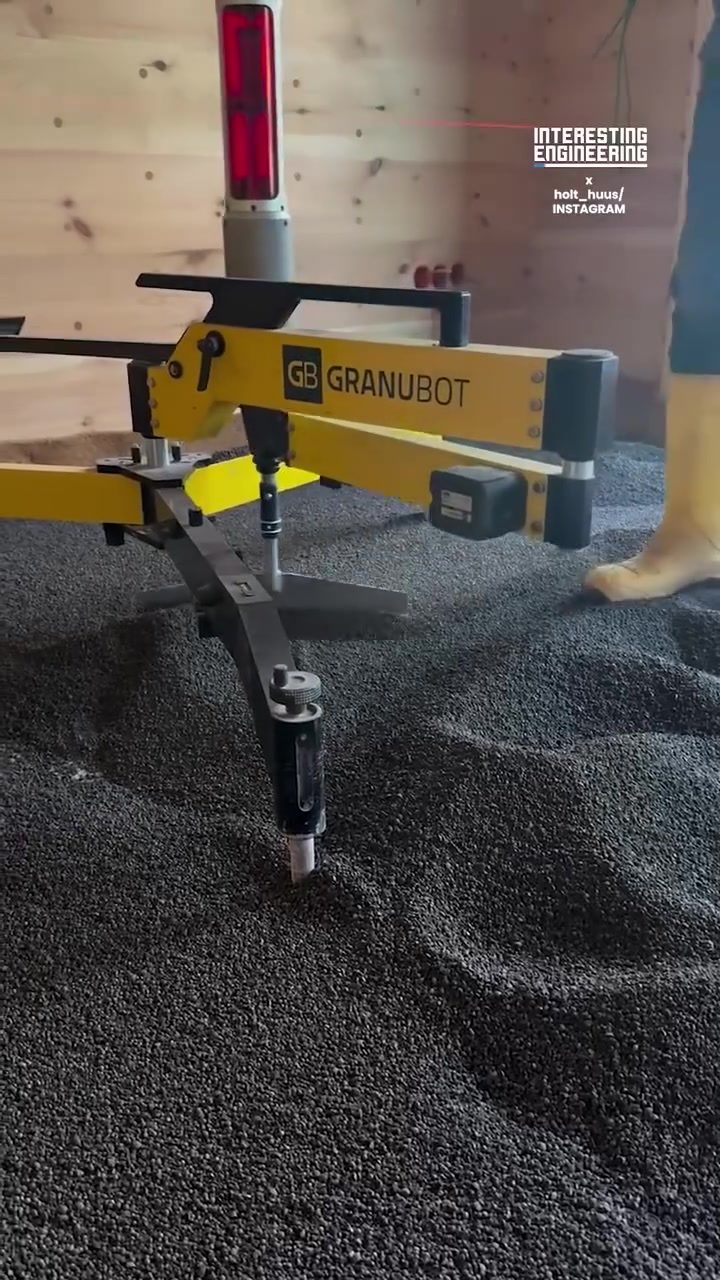
Automated Wood Pellet Production with Granubot
Automated wood pellet production has become a game-changer in the woodworking and bioenergy industries. The Granubot, a compact and efficient wood pellet machine, exemplifies this advancement. Born from the need to reduce physical strain, this machine automates the process of converting sawdust into wood pellets with millimeter precision, making it an invaluable tool for both industrial and residential settings.
Context / Why This Matters
Wood pellets are a renewable and sustainable source of energy, widely used for heating homes and powering industrial processes. The production of these pellets has traditionally been labor-intensive, requiring significant manual effort and causing physical strain for workers. The introduction of machines like the Granubot has revolutionized this process, making it more efficient and less strenuous.
Main Discussion
The Evolution of Wood Pellet Production
The process of converting sawdust into wood pellets has evolved significantly over the years. Initially, it involved manual labor and basic machinery, which often resulted in inconsistent results and high physical demand. However, the advent of automated machines like Granubot has transformed this landscape. These machines not only enhance productivity but also ensure consistent quality, reducing waste and improving overall efficiency.
The Technology Behind Granubot
Granubot is a laser-guided leveling robot designed to precisely level fill materials with millimeter accuracy. This precision is crucial in wood pellet production, where uniform density and size of the pellets are essential for optimal performance. The machine's laser guidance system ensures that the material is evenly distributed, reducing the need for constant manual adjustments and back strain.
Benefits of Automated Wood Pellet Production
Automated wood pellet production offers several key benefits:
-
Reduced Physical Strain: One of the primary advantages is the reduction of physical strain on operators. Machines like Granubot allow workers to perform tasks upright, minimizing the risk of back injuries and other work-related ailments.
-
Efficient and Consistent Output: Automated systems ensure that the production process is consistent and efficient. This consistency translates to higher-quality pellets, which are more effective as fuel sources.
-
Cost-Effective: While the initial investment in automated machinery can be high, the long-term savings in labor costs and increased production efficiency make it a cost-effective solution.
Applications in Residential and Industrial Settings
Granubot's compact design makes it suitable for both residential and industrial applications. Its self-contained nature allows it to be used in smaller workshops or even homes, making wood pellet production accessible to a broader range of users. This versatility is a significant advantage, as it democratizes access to sustainable energy solutions.
The Environmental Impact
The environmental benefits of automated wood pellet production are substantial. By converting sawdust into pellets, the process reduces waste and provides a sustainable fuel source. This not only minimizes the environmental impact of wood production but also contributes to a circular economy, where waste materials are recycled into valuable resources.
Practical Tips
Choosing the Right Wood Pellet Machine
When selecting a wood pellet machine, consider the following factors:
-
Precision and Accuracy: Look for machines that offer high precision and accuracy in leveling and pellet production. This ensures consistent and high-quality output.
-
Automation Features: Automated features like laser-guidance can significantly reduce manual effort and improve efficiency.
-
Size and Portability: Depending on your needs, choose a machine that fits your workspace. Compact machines are ideal for smaller workshops or homes.
-
Ease of Use: Ensure the machine is easy to operate and maintain. User-friendly interfaces and straightforward maintenance procedures can save time and effort.
Maintenance Tips
Regular maintenance is crucial for the longevity and efficiency of your wood pellet machine:
-
Regular Cleaning: Keep the machine clean to prevent the buildup of sawdust and other debris. This ensures smooth operation and reduces the risk of mechanical issues.
-
Lubrication: Regularly lubricate moving parts to minimize wear and tear.
-
Inspection: Periodically inspect the machine for any signs of damage or malfunction. Addressing issues early can prevent more significant problems.
Safety Precautions
Always prioritize safety when operating wood pellet machines:
-
Proper Training: Ensure all operators are properly trained in the use and maintenance of the machine.
-
Safety Gear: Use appropriate safety gear, including gloves, goggles, and ear protection.
-
Ventilation: Operate the machine in a well-ventilated area to prevent the buildup of harmful fumes.
Important Takeaways
-
Automated wood pellet production significantly reduces physical strain on workers, making it a more sustainable and efficient process.
-
Granubot's laser-guided leveling technology ensures millimeter precision, leading to consistent and high-quality pellets.
-
The compact and self-contained design of Granubot makes it suitable for both residential and industrial settings, broadening its applications.
-
Regular maintenance and safety precautions are essential for the efficient and safe operation of wood pellet machines.
Conclusion
Automated wood pellet production, as exemplified by the Granubot, is a significant advancement in the woodworking and bioenergy sectors. By reducing physical strain, improving efficiency, and ensuring consistent quality, these machines offer numerous benefits. Whether you're a small workshop owner or an industrial producer, investing in automated wood pellet production can lead to substantial cost savings and environmental benefits. Embrace the future of sustainable energy production with cutting-edge technology like the Granubot.
Watch the Reel
Questions readers ask
What types of inputs does the Granubot use to produce wood pellets?
The Granubot utilizes sawdust as its primary input to produce wood pellets. This makes it an ideal solution for woodworking industries that generate sawdust as a byproduct, as it converts this material into a useful and renewable energy source.
How does the Granubot improve the wood pellet production process?
The Granubot enhances the wood pellet production process by automating it, which reduces manual labor and physical strain. Its precision-driven system also minimizes waste, improves productivity, and ensures consistent pellet quality.
Can the Granubot be used in both large-scale industrial and small-scale residential settings?
Yes, the Granubot is designed to be compact and efficient, making it suitable for both industrial and residential settings. Its versatility allows it to cater to the needs of large-scale pellet production as well as smaller, local requirements.
What is the significance of using a compact pellet mill like the Granubot?
A compact pellet mill like the Granubot is significant because it saves space and can be easily integrated into existing operations. Its compact size makes it accessible for smaller businesses and homeowners interested in producing sustainable wood pellets without requiring a large footprint.
How does the Granubot contribute to sustainable energy production?
The Granubot contributes to sustainable energy production by converting sawdust into renewable wood pellets. This process not only reduces waste but also provides an eco-friendly fuel source for heating homes and powering industrial processes, thereby promoting a greener energy landscape.
What are the benefits of precision pellet manufacturing with the Granubot?
Precision pellet manufacturing with the Granubot ensures consistent pellet size and quality, which improves combustion efficiency and reduces emissions. This precision also minimizes waste by optimizing the use of sawdust, making the production process more efficient overall.
Recent articles
Fresh deep dives from the latest Reels we unpacked.




Comments
Be the first to comment.