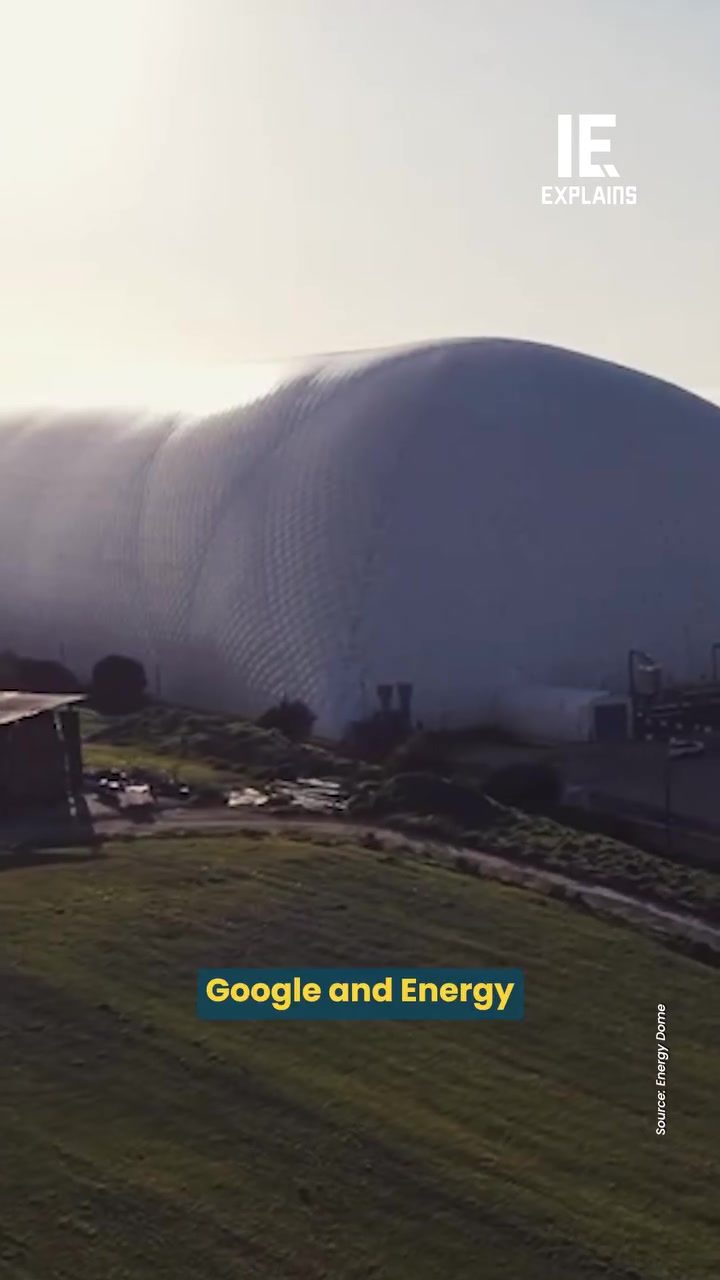
Google's Long-Duration Energy Storage Project with Energy Dome
Google is collaborating with Italian company Energy Dome to build an innovative 23MW / 200MWh long-duration energy storage plant near Rhode, County Offaly, Ireland. The project is set on the grounds of a decommissioned thermal power station and represents a significant step in the advancement of sustainable energy solutions.
Why This Matters
The need for long-duration energy storage solutions has never been more pressing. As the world shifts towards renewable energy sources like wind and solar, the intermittent nature of these sources poses a challenge. Energy storage systems are crucial for balancing the grid, ensuring a steady supply of electricity even when the wind isn't blowing or the sun isn't shining. This project aims to address these challenges by providing a reliable and efficient storage solution.
The Energy Dome CO2 Battery
Technology and Process
The heart of this project is Energy Dome's CO2 Battery, a closed-loop system that uses surplus wind and solar energy to compress CO2 into a liquid state. When the grid needs power, the liquid CO2 is heated and expanded back into a high-pressure gas, which then spins a turbine to generate electricity. This process is efficient, with a round-trip efficiency of roughly 75% and a lifespan of over 30 years. Unlike traditional lithium batteries, which typically last about four hours, this system can provide clean power for 8 to 24 hours, bridging the gap during periods of low wind and solar output.
Sealed Loop and Sustainability
One of the standout features of the CO2 Battery is its sealed loop design. The CO2 never escapes the system; it continuously cycles between gas and liquid forms. This not only enhances the system's efficiency but also minimizes environmental impact. The use of CO2, a natural byproduct of various industrial processes, makes this technology a sustainable choice.
Long-Term Benefits
The project is part of a long-term deal between Google and Energy Dome, signed in July 2025. The goal is to deploy Energy Dome's technology at scale, making Ireland a blueprint for round-the-clock clean electricity. This initiative underscores Google's commitment to sustainable energy and sets a precedent for future energy storage projects.
Practical Tips for Implementing Similar Projects
Site Selection
Choosing the right location is crucial for the success of any energy storage project. The site near Rhode, County Offaly, is ideal because it's on the grounds of a former thermal power station, which already has the necessary infrastructure. When selecting a site, consider factors like grid connectivity, existing infrastructure, and environmental impact.
Partnerships and Collaboration
Collaborating with experienced partners like Energy Dome can significantly enhance the success of a project. Look for companies with a proven track record in renewable energy and energy storage. Partnerships can provide access to advanced technology, expertise, and funding opportunities.
Scalability and Future-Proofing
Design the project with scalability in mind. As energy demands grow, the storage system should be able to expand to meet increased needs. Future-proofing the project ensures long-term viability and sustainability, making it a worthwhile investment.
Important Takeaways
-
Innovative Technology: The CO2 Battery represents a significant advancement in long-duration energy storage, using compressed CO2 to generate electricity efficiently.
-
Sustainability: The closed-loop design ensures minimal environmental impact, making it a sustainable choice for energy storage.
-
Long-Term Viability: With a lifespan of over 30 years and the ability to provide clean power for extended periods, this technology offers long-term benefits for the energy sector.
-
Partnership and Collaboration: Successful implementation relies on strong partnerships and collaboration with experienced firms.
-
Scalability: Designing for scalability ensures the project can adapt to future energy demands, making it a sustainable investment.
Conclusion
Google's partnership with Energy Dome to build a 23MW / 200MWh energy storage plant in Ireland is a groundbreaking initiative in the renewable energy sector. The project leverages innovative technology to provide long-duration, sustainable energy storage, setting a new standard for future endeavors. By focusing on efficiency, sustainability, and scalability, this project paves the way for a cleaner, more reliable energy future.
Watch the Reel
Questions readers ask
What is the primary goal of the Google and Energy Dome collaboration in Ireland?
The primary goal is to transform a former fossil fuel site into a clean energy hub. This involves building a 23MW / 200MWh long-duration energy storage plant using Energy Dome's innovative CO2-based energy storage system. The aim is to address the intermittency of renewable energy sources and provide a more stable power supply.
How does the Energy Dome technology work, and why is it significant?
Energy Dome's technology uses CO2 as a storage medium to manage and balance energy supply and demand. This is significant because it offers a solution to the variable nature of renewable energy sources, such as wind and solar, ensuring a consistent electricity supply. It also helps in the broader transition from fossil fuels to sustainable power solutions.
What role does the decommissioned thermal power station play in this project?
The decommissioned thermal power station in Rhode, County Offaly, serves as the site for the new clean energy hub. By repurposing this former fossil fuel site, Google and Energy Dome are not only reducing the environmental impact of the old plant but also creating a model for transforming outdated energy infrastructure into modern green energy storage systems.
Why is long-duration energy storage important for renewable energy sources?
Renewable energy sources like wind and solar are intermittent, meaning they depend on weather conditions. Long-duration energy storage systems, like the one being developed by Google and Energy Dome, store excess energy produced during peak times for use during low production periods. This ensures a steady electricity supply, making renewable energy more reliable.
What are the benefits of using CO2 for energy storage?
Using CO2 for energy storage, as Energy Dome does, offers several benefits. It is a more environmentally friendly approach compared to traditional energy storage methods. Additionally, CO2 can be efficiently compressed and stored, making it a practical medium for balancing energy supply and demand. It also helps in reducing the carbon footprint of energy storage.
How does this project contribute to Google's broader clean energy initiatives?
This project aligns with Google's goals to reduce its carbon footprint and promote sustainable energy solutions. By investing in long-duration energy storage and repurposing old fossil fuel sites, Google is demonstrating a commitment to innovative clean energy projects that support a more sustainable future. This initiative also serves as a model for other companies looking to implement similar sustainable power solutions.
What challenges does the intermittency of renewable energy pose, and how does this project address them?
The intermittency of renewable energy poses challenges in maintaining a consistent power supply. For instance, wind turbines generate power only when the wind blows, and solar panels produce energy only when the sun is shining. The Google and Energy Dome project addresses these challenges by storing excess energy produced during peak times and releasing it during low production periods, ensuring a steady supply of electricity.
Recent articles
Fresh deep dives from the latest Reels we unpacked.




Comments
Be the first to comment.