Gold Mining Reserves
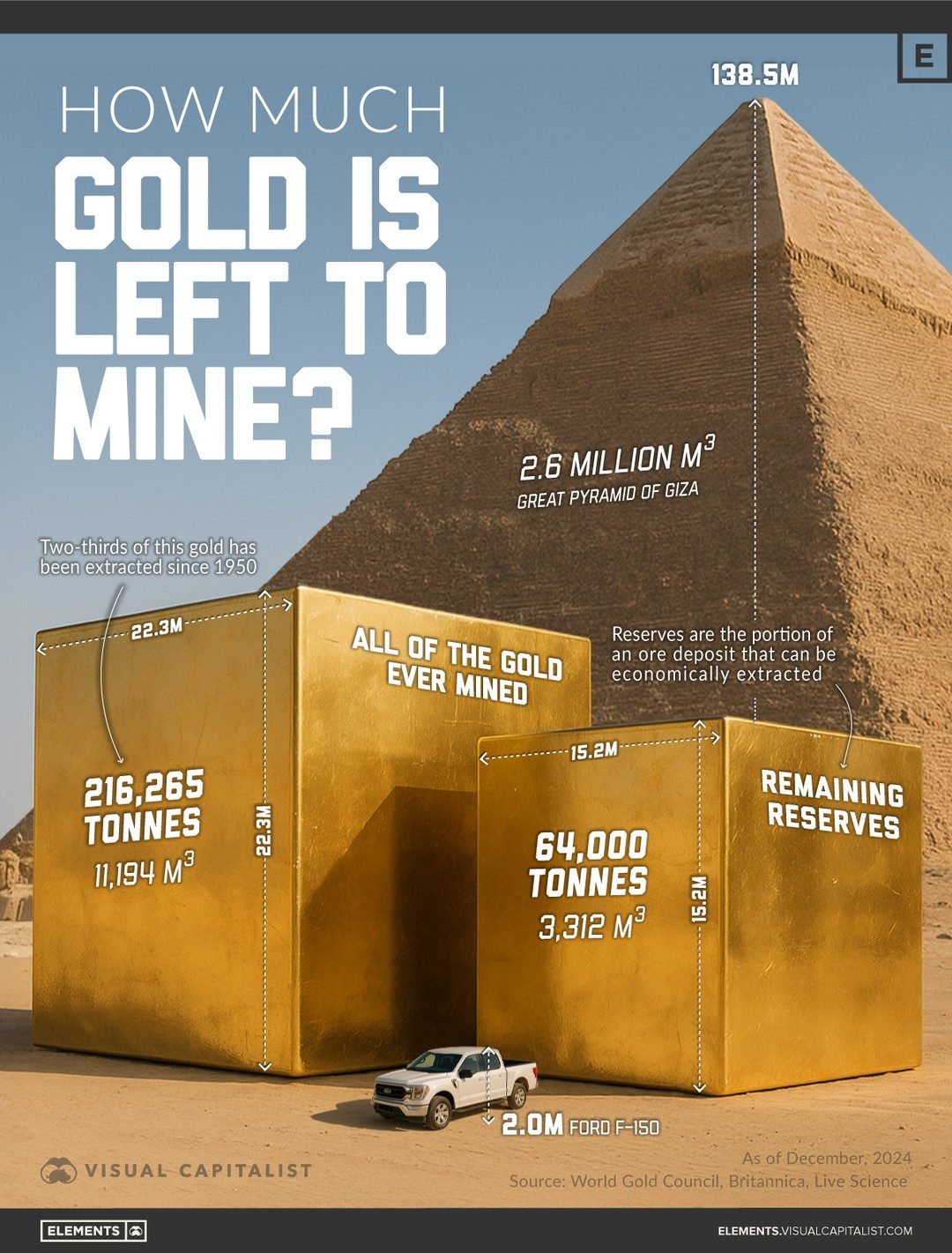
The global demand for gold is as enduring as it is varied, from jewelry to electronics and even investment. But how much of this precious metal is left underground? Approximately 216,265 tonnes of gold have been mined throughout history, but only about 64,000 tonnes remain in reserves. As gold prices surged by more than 50% in 2025, scarcity has driven renewed interest in this safe-haven metal.
Context: Why This Matters
Understanding gold reserves is crucial for investors, economists, and environmentalists alike. Gold's role as a safe-haven asset makes it a critical component of global financial markets. Its scarcity and enduring value drive market dynamics, influencing everything from inflation hedging to geopolitical stability. Additionally, mining activities have significant environmental and social impacts, making reserve management a key consideration.
Main Discussion
Historical Gold Mining
Gold mining has a rich history dating back thousands of years. Ancient civilizations, from the Egyptians to the Romans, prized gold for its beauty and rarity. However, the modern era of gold mining began in earnest during the 19th century, particularly with the California Gold Rush in 1848. Since then, gold mining has evolved significantly, with technological advancements enabling more efficient extraction methods.
Two-thirds of all the gold ever mined has been extracted since 1950. This period saw a surge in mining activities, driven by industrialization and economic growth. The Great Pyramid of Giza, one of the most iconic structures in history, provides a stunning visual representation of the scale of gold reserves. If all the gold ever mined were stacked in blocks the size of the Great Pyramid, it would fill about 2.6 million cubic meters. That’s a volume equivalent to over 22.3 million Ford F-150 trucks!
Current Gold Reserves
As of December 2024, the remaining gold reserves are estimated to be around 64,000 tonnes. These reserves are the portion of an ore deposit that can be economically extracted under current conditions. Economic extractability depends on various factors, including the cost of mining, technological capabilities, and market prices. As gold prices fluctuate, so does the economic viability of extracting remaining reserves.
Gold Extraction and Its Impact
Gold extraction involves several methods, including open-pit mining, underground mining, and heap leaching. Each method has its environmental and social implications. Open-pit mining, for example, can lead to significant land disturbance and water pollution, while underground mining poses safety risks for workers. Heap leaching, which uses cyanide to extract gold from low-grade ores, raises concerns about toxic waste management.
The environmental impact of gold mining is a growing concern. Mining activities can lead to deforestation, soil erosion, and water contamination. Additionally, the energy-intensive nature of mining contributes to carbon emissions, exacerbating climate change. Sustainable mining practices and technological innovations are essential for mitigating these impacts while ensuring the continued supply of gold.
Economic and Market Dynamics
Gold's appeal as a safe-haven asset is driven by its scarcity and enduring value. During times of economic uncertainty, investors often turn to gold as a hedge against inflation and market volatility. The surge in gold prices in 2025 reflects this trend, as rising uncertainty and geopolitical tensions have driven demand.
Gold prices are influenced by various factors, including interest rates, inflation, and geopolitical events. Central banks and institutional investors play a significant role in the gold market, often purchasing gold to diversify their portfolios and hedge against risks. The interplay between supply and demand dynamics, coupled with global economic conditions, shapes the gold market's trajectory.
Practical Tips for Investors
For those interested in investing in gold, several strategies can be considered:
- Physical Gold: Buying gold bars or coins is a direct way to own physical gold. This method offers the benefit of tangible asset ownership but comes with storage and security considerations.
- Gold ETFs: Exchange-traded funds (ETFs) that track the price of gold provide a convenient and liquid way to invest in gold without the need for physical storage.
- Gold Mining Stocks: Investing in companies that mine gold can offer exposure to the gold market while providing the potential for higher returns through stock appreciation and dividends.
- Gold Futures and Options: For more advanced investors, trading gold futures and options can provide leveraged exposure to gold price movements.
Important Takeaways
Gold mining and reserves are critical components of the global economy, influencing financial markets, geopolitical stability, and environmental sustainability. As gold prices surge and scarcity drives demand, understanding the dynamics of gold mining and reserves is essential for investors, economists, and policymakers.
Key takeaways include:
- Approximately 216,265 tonnes of gold have been mined throughout history, with 64,000 tonnes remaining in reserves.
- Two-thirds of all gold has been extracted since 1950, reflecting the intensification of mining activities in the modern era.
- Gold's appeal as a safe-haven asset drives market dynamics, influencing investment strategies and economic policies.
- The environmental and social impacts of gold mining necessitate sustainable practices and technological innovations.
- Investing in gold can be achieved through various strategies, including physical gold, ETFs, mining stocks, and derivatives.
Conclusion
The world's gold reserves are finite, and understanding their dynamics is crucial for navigating the complexities of the global economy. From historical mining practices to modern extraction methods, gold's enduring value and scarcity make it a vital component of financial markets and investment portfolios. As demand for gold continues to grow, so too does the need for responsible mining practices and sustainable management of remaining reserves. Whether you're an investor, economist, or environmentalist, staying informed about gold mining and reserves can provide valuable insights into the future of global markets and environmental sustainability.
Watch the Reel
Questions readers ask
How much gold is estimated to be left for mining?
Approximately 64,000 tonnes of gold remain in reserves worldwide, according to recent estimates. This figure represents the amount of gold that is economically viable to mine with current technologies and market conditions.
What are the key factors that determine the remaining gold reserves?
Several factors influence the remaining gold reserves, including the current price of gold, advancements in mining technologies, and the economic feasibility of extraction. Additionally, environmental and social considerations play a significant role in determining what reserves are available for mining.
Why is tracking gold reserves important for investors?
Investors closely monitor gold reserves because gold is considered a safe-haven asset. Understanding the supply and demand dynamics of gold can help investors make informed decisions, especially during times of economic uncertainty. It is crucial for assessing potential price movements.
How do gold reserves impact global financial markets?
Gold's scarcity and enduring value make it a crucial component of global financial markets. It influences everything from inflation hedging to geopolitical stability. Knowing the remaining gold reserves helps economists and policymakers understand market dynamics and make strategic decisions.
What are the environmental and social impacts of gold mining?
Gold mining has significant environmental and social impacts, including land degradation, water pollution, and displacement of local communities. Understanding these impacts is crucial for sustainable mining practices and for addressing the broader implications of gold extraction on societies and ecosystems.
How does the World Gold Council contribute to understanding gold reserves?
The World Gold Council provides comprehensive data and insights on global gold reserves. They publish reports and infographics that help stakeholders visualize the remaining gold reserves and understand the dynamics of the gold mining industry. This information is invaluable for investors, economists, and policymakers alike.
What visual resources are available to understand global gold reserves?
There are several visual resources available, such as infographics and interactive maps, that help illustrate the distribution and remaining tonnes of gold reserves worldwide. These visuals make complex data more accessible and easier to understand, aiding in the analysis of global gold reserves and their implications.
Related deep dives
Similar reads based on topic and creator.


Recent articles
Fresh deep dives from the latest Reels we unpacked.




Comments
Be the first to comment.