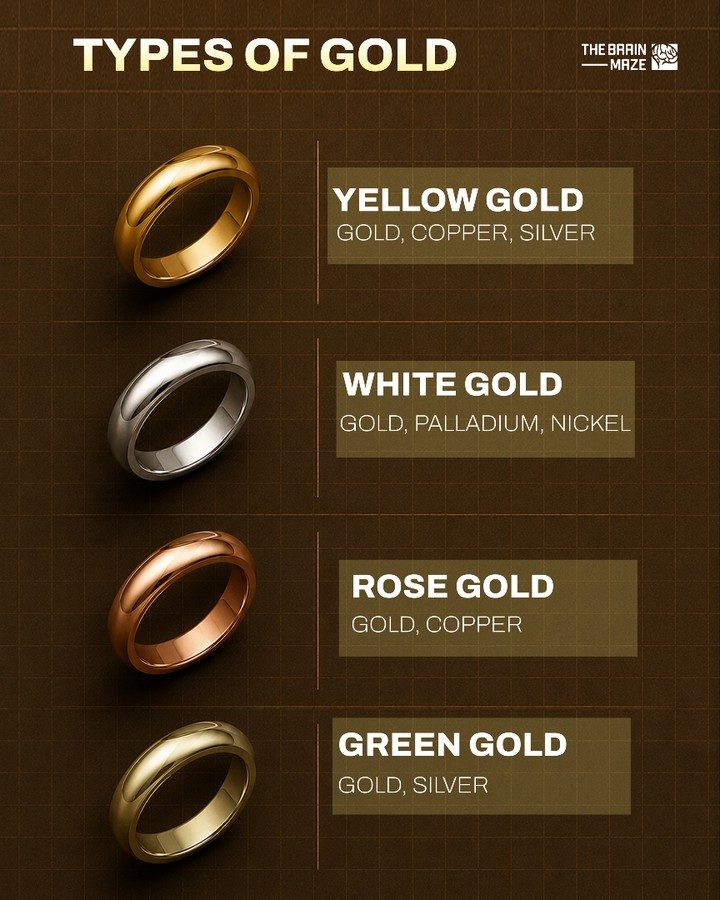
Gold jewelry is a timeless accessory, with each variety offering unique colors and strengths. Gold is often combined with other metals to create different alloys, each imparting its own distinctive characteristics. These combinations not only influence the color but also the durability and suitability for various jewelry designs.
Why This Matters
Understanding the different types of gold is crucial for anyone interested in jewelry. Each type has its unique properties, making some more suitable for certain applications than others. Whether you're looking for a classic look, a modern aesthetic, a romantic appeal, or a subtle elegance, knowing the differences can help you make an informed choice.
Yellow Gold
Composition and Appearance
Yellow gold is the most traditional and commonly used type. It is an alloy of gold, copper, and silver. The copper and silver add warmth and depth to the gold, creating a rich, classic yellow tone.
Strength and Durability
Yellow gold is relatively soft compared to other types, which makes it ideal for intricate designs and settings with gemstones. However, its softness means it may be more prone to scratching and bending over time.
White Gold
Composition and Appearance
White gold is made from a combination of gold, palladium, and nickel. This mixture gives white gold a silvery, modern appearance. To enhance its brightness and durability, white gold is often coated with a layer of rhodium.
Strength and Durability
White gold is generally stronger than yellow gold due to the addition of palladium and nickel. It is more resistant to scratching and bending, making it a good choice for rings and other pieces that will be worn daily.
Rose Gold
Composition and Appearance
Rose gold, also known as pink or red gold, is created by mixing gold and copper. The copper content gives rose gold its distinctive pinkish hue, which can range from a soft blush to a vibrant rose depending on the ratio of copper to gold.
Strength and Durability
Rose gold is slightly stronger and more durable than yellow gold. Its copper content adds to its hardness, making it a good choice for pieces that need to withstand daily wear and tear.
Green Gold
Composition and Appearance
Green gold is made from a mixture of gold and silver. The silver content imparts a subtle green tint to the gold, giving it a unique and elegant appearance.
Strength and Durability
Green gold is less common and tends to be softer than other types of gold. Its uniqueness makes it a special choice for those looking for something different, but it may not be as durable for everyday wear.
Practial Tips
When selecting a gold piece, consider the following tips:
- Allergy Concerns: Nickel in white gold can cause allergic reactions in some people. If you have sensitive skin, opt for white gold without nickel or choose an alternative like palladium.
- Maintenance: White gold may require periodic re-plating with rhodium to maintain its bright appearance. Yellow, rose, and green gold require regular polishing to keep them looking their best.
- Design Preferences: For a classic look, yellow gold is the go-to choice. For a modern, sleek appearance, white gold is ideal. Rose gold offers a romantic, stylish touch, while green gold provides a unique and elegant option.
Important Takeaways
- Yellow Gold: Best for those who prefer a classic look. It’s soft and ideal for intricate designs but may scratch more easily.
- White Gold: Offers a modern, silvery appearance and is stronger and more durable than yellow gold.
- Rose Gold: Provides a romantic, pinkish hue and is slightly stronger than yellow gold.
- Green Gold: Has a unique, elegant green tint but is softer and less durable than other options.
Conclusion
Gold jewelry comes in various types, each with its own characteristics and uses. Yellow gold offers a classic look, white gold provides a modern, durable option, rose gold adds a romantic touch, and green gold offers a unique, elegant appearance. By understanding these differences, you can choose the perfect gold type to suit your style and needs.
Watch the Reel
Questions readers ask
What are the primary metals used to create yellow gold alloys?
Yellow gold alloys are primarily created by mixing gold with copper, zinc, and silver. The specific ratio of these metals determines the shade of yellow, with higher copper content producing a richer, deeper yellow hue. The most common yellow gold alloys are 14k and 18k, which contain 58.3% and 75% gold respectively, with the remainder being a mix of these metals.
How is white gold different from yellow gold?
White gold is created by mixing gold with white metals such as palladium, silver and nickel. This combination not only alters the color but also affects the alloy's durability. Unlike yellow gold, white gold often has a higher metal content and can contain rhodium plating for added luster and protection. White gold is popular for its modern, sleek appearance.
What gives rose gold its distinctive pinkish hue?
Rose gold gets its distinctive pinkish hue from a higher copper content in the alloy. The exact shade can vary, but rose gold typically contains more copper than other gold alloys. This type of gold is prized for its romantic and feminine appeal, making it a popular choice for engagement rings and other sentimental jewelry.
What makes green gold unique among gold alloys?
Green gold is unique because it is made by combining gold with silver and sometimes a small amount of copper. This mixture can result in a subtle, elegant olive or green tint. Green gold is less common and often more delicate, making it less suitable for everyday wear, but ideal for those seeking a unique and distinctive look.
Is white gold hypoallergenic?
Not always. White gold can contain nickel, a metal known to cause allergic reactions in some people. However, nickel-free white gold alloys are available, making them a safer choice for those with sensitive skin. If you have allergies or sensitive skin, ensure you select a white gold alloy explicitly marked as nickel-free.
Which gold alloy is the most durable for jewelry?
The durability of gold alloys can vary based on their composition. White gold, particularly when strengthened with metals like palladium and plated with rhodium, is often the most durable. However, the durability of yellow, rose, and green gold can be enhanced with proper care and maintenance. To maximize longevity, look for higher karat (e.g., 14k or 18k) gold and consider the specific metals used in the alloy.
Why might someone choose a specific type of gold for their jewelry?
The choice of gold alloy depends on personal preference, lifestyle, and the intended use of the jewelry. For example, someone seeking a classic, timeless look might choose yellow gold, while those desiring a modern, sleek appearance might opt for white gold. Rose gold is popular for its romantic appeal, and green gold offers a unique, subtle elegance. Additionally, considering the durability and maintenance requirements of each type can help in making an informed decision.
Recent articles
Fresh deep dives from the latest Reels we unpacked.




Comments
Be the first to comment.