Goat Milk Benefits
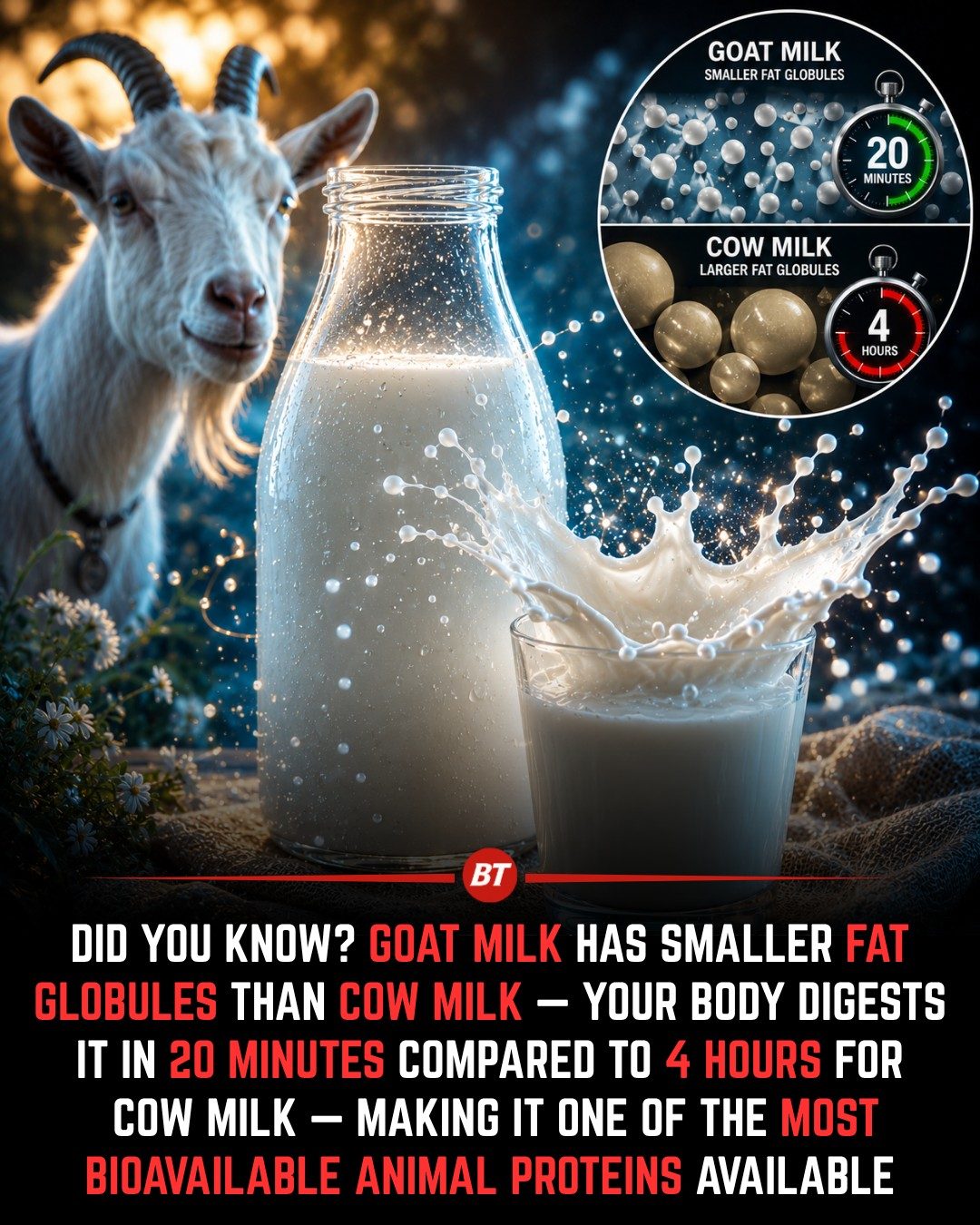
Goat milk offers a range of benefits that make it a compelling alternative to traditional cow's milk. One of the key advantages is its fat structure. Goat milk contains naturally smaller fat globules compared to cow's milk. These smaller fat globules stay more evenly dispersed, forming a softer, looser curd in the stomach. This characteristic may allow digestive enzymes to break down goat milk more easily, which is why some people report that goat milk feels gentler on the stomach.
Why This Matters
Digestive comfort is a significant factor for many people when choosing dairy products. The smaller fat globules in goat milk can lead to a smoother digestion process, making it easier on the stomach for some individuals. This makes goat milk an attractive option for those who experience mild digestive discomfort with traditional cow's milk.
Main Discussion
Fat Globule Size
The size of fat globules in milk plays a crucial role in how easily it digests. Goat milk's smaller fat globules can lead to a smoother, more comfortable digestion process. These smaller fat globules are more evenly dispersed, forming a softer curd in the stomach. This can make digestion more comfortable for those who struggle with traditional cow's milk.
Digestion Time
Another key benefit of goat milk is its digestion time. Goat milk is digested in approximately 20 minutes, compared to the 4 hours it takes for cow's milk to digest. This faster digestion time can make goat milk a more appealing option for those who want to feel the benefits of dairy without the extended digestive process.
Nutritional Profile
Goat milk is not only easier to digest but also packed with essential nutrients. It contains a higher proportion of medium-chain fatty acids (MCTs), which are absorbed and used for energy more rapidly than many longer-chain fats. Additionally, goat milk naturally provides high-quality protein, calcium, phosphorus, vitamin A, potassium, and vitamin B2, making it a nutrient-rich dairy option.
Some research indicates that goat milk contains less A1 beta-casein than milk from many commercial dairy cows. However, the exact protein profile can depend on the breed of both the goat and the cow. While this may influence digestibility for some individuals, it's important to note that goat milk is not suitable for people with a true milk allergy, as many of the proteins are still very similar to those in cow's milk.
Medium-Chain Fatty Acids
The medium-chain fatty acids (MCTs) in goat milk are another significant benefit. These fatty acids are absorbed and used for energy more rapidly than many longer-chain fats. This can make goat milk a beneficial choice for those looking to maintain or improve their energy levels. The rapid absorption and use of these fatty acids can provide a quick energy boost, making goat milk a practical choice for a post-workout snack or a quick pick-me-up during the day.
Practical Tips
If you're considering switching to goat milk, here are some practical tips to help you make the most of this dairy alternative:
- Look for Pasteurised, Fortified Varieties: To ensure you're getting adequate vitamin D and folate while enjoying its naturally rich nutrient profile, opt for pasteurised, fortified varieties of goat milk.
- Try Different Brands: Since the protein profile can vary depending on the breed of the goat, trying out different brands can help you find the one that best suits your digestive needs.
- Incorporate into Your Diet: Goat milk can be used in various ways, from drinking it straight to using it in recipes. Experiment with different ways to incorporate it into your diet to reap its benefits.
Important Takeaways
- Goat milk has naturally smaller fat globules than cow's milk, which can lead to a smoother digestion process.
- Goat milk is digested more quickly than cow's milk, taking approximately 20 minutes compared to 4 hours.
- Goat milk is packed with essential nutrients, including medium-chain fatty acids, high-quality protein, calcium, phosphorus, vitamin A, potassium, and vitamin B2.
- While goat milk may be easier to digest for some, it is not suitable for those with a true milk allergy.
- Trying different brands of goat milk can help you find the one that best suits your digestive needs.
Conclusion
Goat milk offers a range of benefits that make it a compelling alternative to traditional cow's milk. Its smaller fat globules, faster digestion time, and rich nutritional profile make it an attractive option for those looking to improve their digestive comfort and overall health. However, it's important to remember that individual responses can vary, and goat milk may not be suitable for those with a true milk allergy. If you're considering switching to goat milk, trying different brands and incorporating it into your diet in various ways can help you make the most of this dairy alternative.
Watch the Reel
Questions readers ask
What makes goat milk easier to digest compared to cow milk?
Goat milk has smaller fat globules that stay more dispersed in the stomach, forming a softer curd. This allows digestive enzymes to break it down more easily, which many people find gentler on their digestive systems.
How does the digestion time of goat milk compare to cow milk?
Goat milk typically digests more quickly than cow milk. The smaller fat globules in goat milk allow it to be broken down faster, which can lead to a more comfortable digestive experience for some people.
Are there any specific nutrients in goat milk that aid in digestion?
Goat milk contains a unique blend of proteins and fats that are easier to digest, although it does not contain specific nutrients that speed up digestion. The smaller fat globules and softer curd formation are the primary factors that make it gentler on the stomach.
Can goat milk be a good alternative for those with mild lactose intolerance?
While goat milk still contains lactose, the smaller fat globules and easier digestion for some can make it a better option for people with mild lactose intolerance. However, it is not a suitable choice for those with a severe intolerance, as it can still cause symptoms.
Does goat milk offer any other benefits besides easier digestion?
Yes, goat milk is rich in various vitamins and minerals, such as vitamin A, niacin, potassium and calcium. It also contains beneficial fats and proteins that support overall health. Additionally, goat milk is known for its creamy texture, making it a popular choice for various recipes and beverages.
Is goat milk suitable for infants and young children?
Goat milk can be part of a balanced diet for infants and young children, but it should not be given as the sole source of nutrition. It is important to consult with a healthcare provider or a nutritionist to ensure that a child's specific nutritional needs are met, as goat milk may not provide certain essential nutrients found in breast milk or formula.
How does the protein content in goat milk compare to cow milk?
Goat milk contains similar amounts of protein to cow milk, but the proteins in goat milk are often more easily digestible. This can contribute to the overall gentler digestive experience that some people report when consuming goat milk.
Related deep dives
Similar reads based on topic and creator.




Recent articles
Fresh deep dives from the latest Reels we unpacked.




Comments
Be the first to comment.