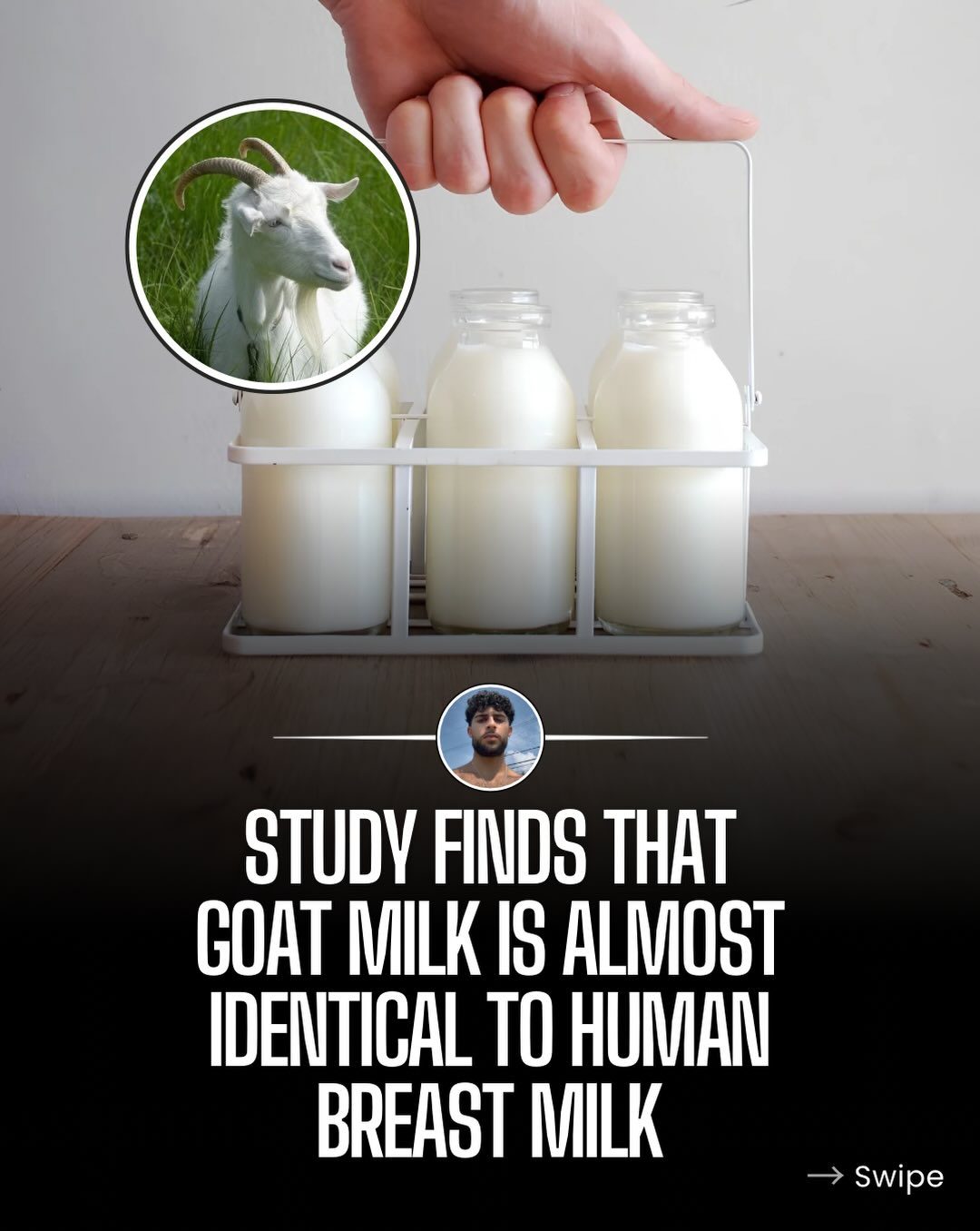
Goat Milk vs. Human Milk
Goat's milk is increasingly recognized as one of the closest natural alternatives to human breast milk. This recognition stems from its unique protein structure and easy-to-digest fats, making it a compelling option for those seeking a more human-compatible dairy alternative or looking to enhance their nutrition.
Why This Matters
The composition of goat's milk makes it a fascinating subject in the realm of health and nutrition. Its similarities to human milk, particularly in protein structure and fat content, offer potential benefits for those with digestive sensitivities or specific nutritional needs. Understanding these similarities can help individuals make more informed choices about their dairy consumption.
Nutritional Comparison
Protein Structure
Goat's milk contains a unique protein structure that is generally easier on the stomach compared to standard cow's milk. This is primarily due to the presence of A2 protein, which is less likely to cause digestive issues. Human milk also contains A2 protein, contributing to its gentle nature on a baby's digestive system. This similarity makes goat's milk a viable alternative for those who experience discomfort or allergies when consuming cow's milk.
Fat Content
The fat composition of goat's milk is another notable feature. The fats in goat's milk are more easily digestible, similar to those found in human milk. This makes it a suitable option for individuals with lactose intolerance or those seeking a more easily digestible dairy source.
Vitamin and Mineral Content
Goat's milk is packed with a variety of vitamins and minerals that are highly bio-available, meaning the body can absorb and utilize them effectively. This includes essential nutrients such as calcium, magnesium, iron, and zinc. The bioavailability of these nutrients makes goat's milk a valuable addition to one's diet, enhancing overall nutritional intake.
Historical and Cultural Significance
Goat's milk has been used across various cultures for centuries as a “healing” milk. Its long-standing use in traditional medicine and dietary practices highlights its enduring benefits. Communities worldwide have relied on goat's milk for its nutritional value and digestibility, making it a time-tested choice.
Key Nutritional Components
Protein
The protein content in goat's milk is similar to that in human milk, making it a suitable alternative for those looking for a more digestible dairy option. The unique protein structure, particularly the presence of A2 protein, contributes to its gentle nature on the digestive system.
Fat
The fat in goat's milk is more easily digestible, similar to the fats found in human milk. This makes it an excellent choice for individuals with lactose intolerance or those seeking a more easily digestible dairy source.
Minerals
Goat's milk is rich in essential minerals such as calcium, magnesium, iron, and zinc. These minerals are highly bio-available, meaning the body can absorb and utilize them effectively. This makes goat's milk a valuable addition to one's diet, enhancing overall nutritional intake.
Sodium and Potassium
Goat's milk contains a balanced ratio of sodium and potassium, which are essential for maintaining electrolyte balance in the body. This balance is crucial for various physiological functions, including muscle and nerve function.
Calcium and Phosphorus
The calcium and phosphorus (Ca:P) ratio in goat's milk is optimal, making it an excellent source of these essential minerals. This balanced ratio is important for bone health and overall nutrient absorption.
Practical Tips
Incorporating Goat's Milk into Your Diet
If you're considering incorporating goat's milk into your diet, here are some practical tips:
- Start Gradually: Introduce goat's milk gradually to allow your body to adjust. This is particularly important if you have a sensitive digestive system.
- Experiment with Recipes: Goat's milk can be used in a variety of recipes, from smoothies to baking. Experiment with different dishes to find what works best for you.
- Opt for Organic: Whenever possible, choose organic goat's milk to ensure you're getting a high-quality, naturally produced product.
Choosing the Right Goat's Milk Products
When selecting goat's milk products, look for the following:
- A2 Protein: Ensure the product is labeled as containing A2 protein for easier digestion.
- Certified Organic: Certified organic products are free from harmful chemicals and are produced in a way that is both sustainable and ethical.
Important Takeaways
- Goat's milk is one of the closest natural alternatives to human breast milk, particularly in terms of protein structure and fat content.
- Its unique A2 protein and easily digestible fats make it a suitable option for those with digestive sensitivities.
- Goat's milk is rich in essential vitamins and minerals that are highly bio-available, enhancing overall nutritional intake.
- Incorporating goat's milk into your diet can be a beneficial addition, particularly for those seeking a more human-compatible dairy alternative.
Conclusion
Goat's milk stands out as a remarkable natural alternative to human breast milk, offering a range of benefits from its unique protein structure to its easily digestible fats. Whether you're looking to enhance your nutrition or find a more compatible dairy alternative, goat's milk is a valuable option to consider. Its long-standing use across various cultures further solidifies its reputation as a “healing” milk.
Watch the Reel
Questions readers ask
What makes goat milk a good alternative to human breast milk?
Goat milk is a good alternative due to its unique protein structure, which is more similar to human breast milk than cow's milk. Additionally, its fats are easily digestible, making it a suitable choice for those with digestive sensitivities, and it offers a range of nutritional benefits.
Can goat milk be used as a natural milk alternative for infants?
While goat milk has many benefits, it should not be used as the sole source of nutrition for infants. However, it can be a useful supplement or alternative when mixed with other nutrients to create a balanced formula, or for babies older than 12 months, to enhance their nutritional intake.
How does the protein structure in goat milk benefit the digestive system?
The protein structure in goat milk is more easily digestible than that found in cow's milk and more similar to human breast milk. This makes it a great choice for those with sensitive digestive systems, as it can reduce the risk of discomfort and improve overall digestion.
What are the primary nutritional benefits of goat milk?
Goat milk is rich in essential nutrients such as vitamins, minerals and fatty acids. It is particularly high in calcium, potassium, and vitamins A and B, which contribute to a well-rounded nutritional profile supporting overall health. For infants, goat milk can provide a good source of these vital nutrients.
How does goat milk compare to cow's milk in terms of digestion?
Goat milk is generally easier to digest than cow's milk due to its smaller, softer fat globules and different protein structure. This makes it a better choice for those who may experience discomfort or intolerance when consuming cow's milk, particularly for infants and individuals with digestive sensitivities.
Is goat milk suitable for individuals with lactose intolerance?
While goat milk contains lactose, it is typically easier to digest than cow's milk and can be well-tolerated by individuals with mild lactose intolerance. However, for those with severe lactose intolerance, it's important to consult with a healthcare provider to determine the best options for their specific needs.
Recent articles
Fresh deep dives from the latest Reels we unpacked.




Comments
Be the first to comment.