Goat Milk: A Gentler Dairy Alternative
Goat milk is gaining attention as a potential dairy substitute for those who struggle with conventional cow milk. This article delves into the unique characteristics of goat milk, its benefits, and why it may be a suitable option for certain individuals.
Context: Why This Matters
Many people experience digestive discomfort or intolerance when consuming conventional cow milk. This discomfort can stem from various factors, including the size of fat globules and the type of casein protein present in the milk. Understanding the differences between goat milk and cow milk can help individuals make more informed choices about their dairy consumption.
Main Discussion
Structural Differences
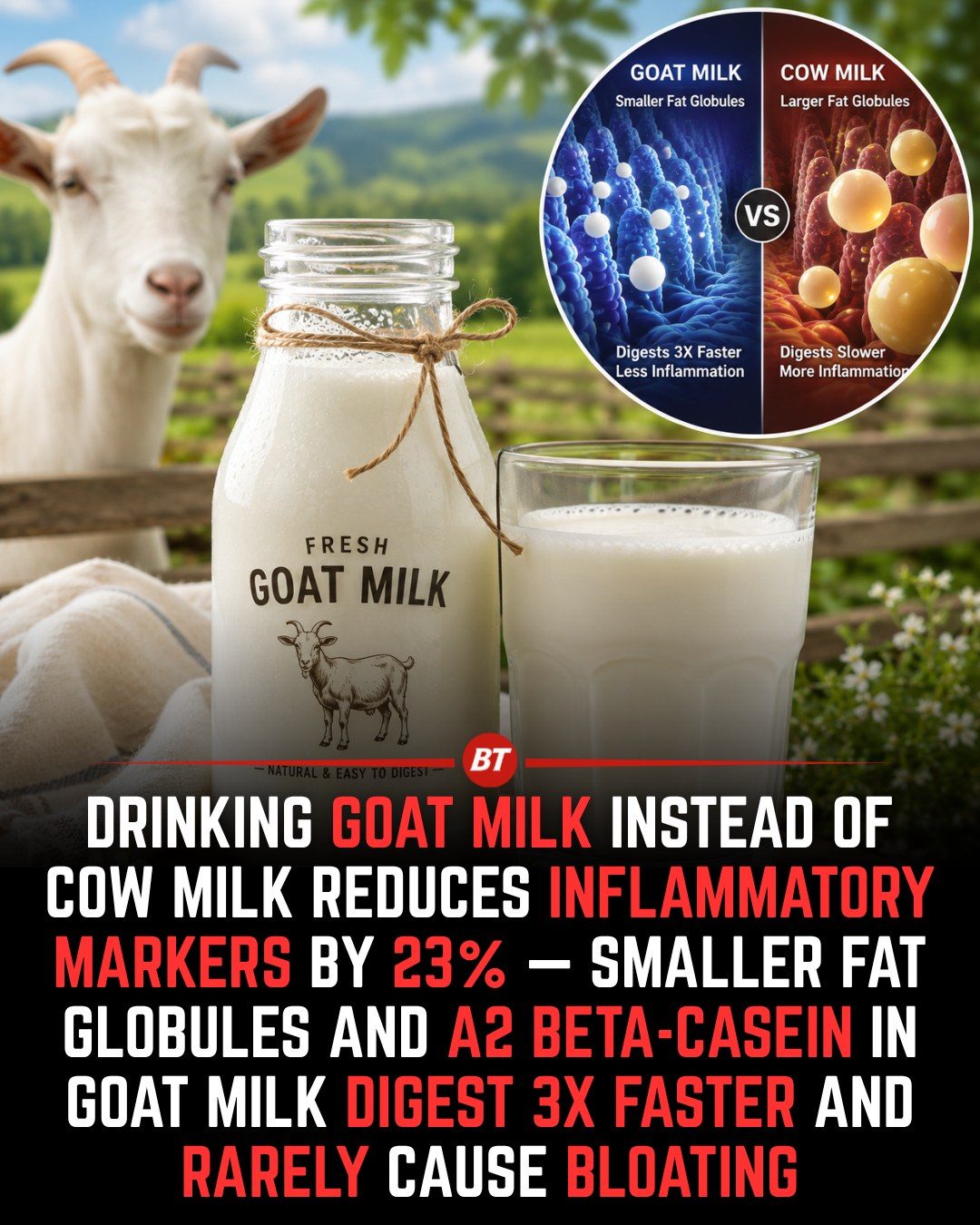
Goat milk and cow milk differ significantly in their structural composition. One of the key differences is the size of their fat globules. Goat milk has smaller fat globules compared to cow milk. This structural difference plays a crucial role in how the milk digests in the body.
Digestion Speed
The smaller fat globules in goat milk contribute to its faster digestion. Studies have shown that goat milk digests up to three times faster than cow milk. This faster digestion can lead to improved comfort and reduced bloating for those who struggle with conventional dairy products.
Protein Composition
Another notable difference lies in the type of casein protein. Goat milk is predominantly composed of A2 beta-casein, whereas much of the conventional cow milk supply contains A1 beta-casein. Some individuals may find A2-rich dairy products, like goat milk, easier to digest and tolerate. While individual responses can vary, this difference in protein composition is a significant factor in the digestive benefits of goat milk.
Inflammatory Markers
Research has indicated that drinking goat milk instead of cow milk can reduce inflammatory markers by up to 23%. This reduction in inflammation is partly due to the smaller fat globules and the presence of A2 beta-casein in goat milk. Lower inflammation levels can contribute to overall better health and well-being.
Nutritional Benefits
Beyond its digestive advantages, goat milk is a good source of essential nutrients. It contains calcium, phosphorus, vitamin B2, potassium, and high-quality protein. These nutrients support bone health, muscle function, and energy metabolism. Additionally, goat milk contains prebiotic compounds that can promote a healthier gut microbiome.
Comparative Analysis
Comparing goat milk to cow milk, it's clear that goat milk offers several advantages. Its smaller fat globules, faster digestion, and lower inflammation potential make it a gentler alternative for those who experience discomfort with conventional dairy. Furthermore, the nutritional content of goat milk supports overall health and well-being.
Practical Tips
If you are considering switching to goat milk, here are some practical tips:
- Start Slowly: Introduce goat milk into your diet gradually to see how your body responds.
- Check Labels: Ensure you are purchasing pure goat milk and not a blend that contains cow milk.
- Consult a Professional: If you have a known allergy or intolerance, consult a healthcare professional before making significant dietary changes.
Important Takeaways
- Goat milk has smaller fat globules and digests faster than cow milk, which can lead to improved comfort and reduced bloating.
- The A2 beta-casein in goat milk may be more easily tolerated by those who experience digestive discomfort with conventional dairy.
- Goat milk reduces inflammatory markers and is a good source of essential nutrients.
- Individual responses to goat milk can vary, so it's important to monitor your body's reaction when trying it for the first time.
Conclusion
Goat milk offers a gentler alternative for those who struggle with conventional cow milk. Its unique structural and protein composition, along with its nutritional benefits, make it a worthy consideration for improving digestive comfort and overall health. By understanding the differences between goat milk and cow milk, individuals can make more informed choices about their dairy consumption.
Watch the Reel
Questions readers ask
What makes goat milk easier to digest compared to cow milk?
Goat milk has smaller fat globules, which are easier to break down during digestion. Additionally, the protein structure in goat milk, particularly the type of beta casein, makes it easier to digest than cow's milk.
Why might goat milk be a suitable alternative for those experiencing inflammation from dairy products?
The unique composition of goat milk, including its smaller fat globules and different casein proteins, may reduce the likelihood of triggering an inflammatory response. This makes it a potential option for those looking to minimize inflammation.
How does the protein in goat milk differ from that in cow milk, and why does this matter for digestion?
Goat milk contains A2 beta-casein, while cow milk often contains A1 beta-casein. The A2 type is believed to be less likely to cause digestive discomfort, making goat milk a preferable choice for those with dairy digestion problems.
Can goat milk help with symptoms of dairy intolerance?
Yes, goat milk can be a beneficial dairy alternative for individuals with dairy intolerance. Its different protein structure and smaller fat globules can help alleviate symptoms such as bloating, gas, and discomfort.
How do the fat globules in goat milk contribute to better digestion?
The smaller fat globules in goat milk are more easily emulsified and broken down in the digestive system. This can lead to a smoother digestion process, reducing the likelihood of digestive issues.
Why is goat milk considered a gentler dairy option for those with digestive issues?
Goat milk's unique properties, such as its smaller fat globules, easier-to-digest proteins, and reduced potential for triggering inflammatory reactions, make it a gentler dairy option for those who experience digestive discomfort with conventional cow milk.
What are the key benefits of switching to goat milk for those with digestive problems?
Switching to goat milk can lead to improved digestion and reduced inflammation. The milk's smaller fat globules, unique protein composition, and lower potential for triggering inflammatory responses can make it a suitable choice for those seeking an easier-to-digest dairy option.
Recent articles
Fresh deep dives from the latest Reels we unpacked.




Comments
Be the first to comment.