Goat Milk Benefits
Goat milk offers a range of benefits that make it a notable alternative to traditional cow milk. Its unique composition and digestion properties set it apart, providing potential advantages for those with digestive sensitivities and specific nutritional needs.
Context / Why this matters
Understanding the differences between goat milk and cow milk can be crucial for individuals seeking to optimize their diet based on their personal health needs. Goat milk’s distinct characteristics may offer solutions for those who experience discomfort with cow milk, making it a valuable option for a broader range of consumers.
Main discussion
Goat Milk’s Digestive Advantages
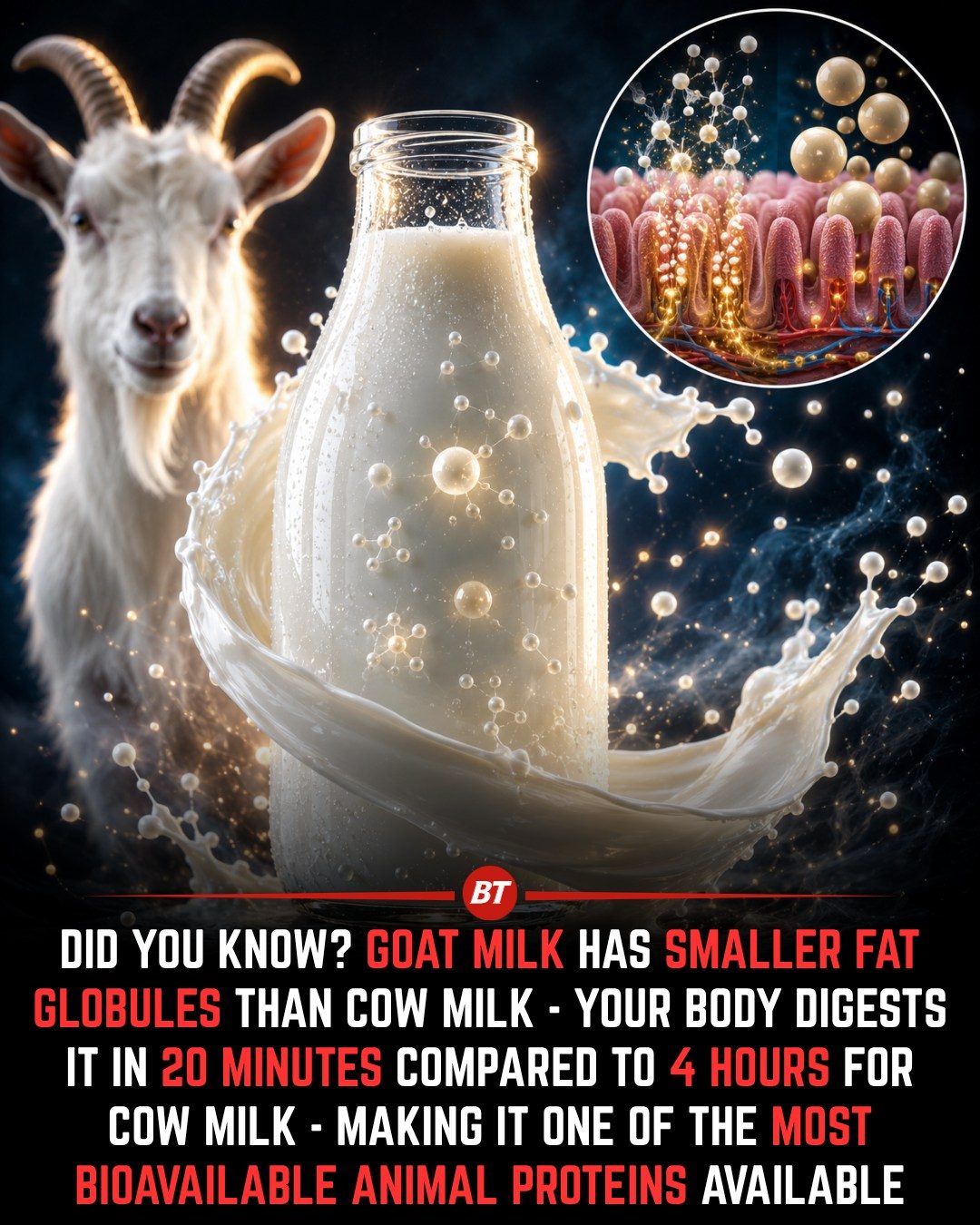
Goat milk naturally forms smaller, softer curds in the stomach, which can make it gentler on the digestive system. These characteristics are primarily due to its unique fat structure and protein composition. Goat milk contains smaller fat globules that are more evenly dispersed throughout the liquid, which contributes to its smoother digestion. Additionally, goat milk has a different balance of fatty acids compared to cow milk, which can further enhance its digestibility.
Another key factor is the lower content of αs1-casein in goat milk. This protein is a major component of cow milk and contributes to the firmer curd formation that can be harder to digest. The reduced amount of this protein in goat milk means it is less likely to form large, solid curds, leading to a more comfortable digestion experience for many people.
Nutritional Value and Digestibility
Research has shown that goat milk proteins and fats are highly digestible and produce a softer curd during digestion than cow milk. This makes goat milk a viable option for those who experience digestive discomfort with cow milk. However, it’s important to note that goat milk is not a cure for lactose intolerance, as it still contains lactose, albeit in slightly lower amounts. People with lactose intolerance may still experience symptoms when consuming goat milk.
Goat milk is an excellent source of complete protein, providing all nine essential amino acids. This makes it a valuable addition to a balanced diet. It is also naturally rich in calcium, phosphorus, vitamin B12, and riboflavin, which are essential for bone health, muscle function, and overall nutrition.
Goat milk's bioavailability, or the ease with which the body can absorb and utilize its nutrients, is another standout feature. This high bioavailability means that the nutrients in goat milk are more readily available to the body, which can enhance its nutritional benefits.
Protein Content and Nutritional Comparison
Goat milk contains high-quality proteins that are highly digestible. While goat milk is similar to cow’s milk in its overall protein content, the key difference lies in the structure and composition of those proteins. The proteins in goat milk are broken down more efficiently in the stomach, which can be particularly beneficial for individuals with digestive sensitivities.
Real-life Experience and Practical Examples
For those who experience discomfort with regular milk, trying plain goat milk or goat milk yogurt can be a practical solution. These products may help alleviate symptoms of bloating and digestive discomfort. If you have a true milk protein allergy, however, goat milk is not a suitable alternative. Its proteins are similar enough to cow milk proteins to trigger allergic reactions.
Practical tips
Incorporating Goat Milk Into Your Diet
If you’re considering trying goat milk, start by incorporating it into your diet gradually. You can use it as a replacement for cow milk in your morning coffee, cereal, or smoothies. Goat milk yogurt is another excellent alternative that can be enjoyed as a snack or part of a meal. Over time, pay attention to how your body responds and adjust your intake accordingly.
Exploring Other Goat Milk Products
In addition to regular goat milk and yogurt, there are various other goat milk products available, including cheese, kefir, and even ice cream. These products offer a range of flavors and textures, making it easy to incorporate goat milk into your diet in a way that suits your preferences and nutritional needs.
Trying Goat Milk for Specific Health Conditions
If you have specific health conditions, such as digestive issues or food sensitivities, consult with a healthcare provider or a nutritionist before making significant changes to your diet. They can provide personalized guidance and help you determine if goat milk is a suitable option for you. For instance, keeping a food diary for a few weeks can help identify any patterns or reactions that might indicate a sensitivity to cow milk or lactose.
Important takeaways
Goat milk offers several distinct advantages over cow milk, particularly in terms of digestibility and nutritional composition. Its smaller fat globules and unique protein structure make it a gentler option for the digestive system, while its high bioavailability and rich nutritional content provide a range of health benefits.
However, it’s important to be aware that goat milk is not a cure for lactose intolerance and may still cause symptoms in lactose-intolerant individuals. Additionally, those with milk protein allergies should avoid goat milk due to the similarity in protein structure.
Incorporating goat milk into your diet can be a practical way to explore its benefits and see how your body responds. Whether you're looking to reduce digestive discomfort or simply try a new dairy alternative, goat milk may be worth considering as part of a balanced and varied diet.
Conclusion
Goat milk presents a valuable alternative for those seeking to optimize their diet based on specific health needs and preferences. Its unique digestive and nutritional characteristics make it a versatile and beneficial option for a wide range of consumers. Whether you're looking to improve your digestive health, enhance your nutritional intake, or simply try a new dairy product, goat milk offers a range of advantages that make it a standout choice.
Watch the Reel
Questions readers ask
How does goat milk differ from cow milk in terms of digestion?
Goat milk forms softer, smaller curds in the stomach compared to cow milk. This characteristic makes it potentially easier to digest, as smaller curds are broken down more efficiently by digestive enzymes.
Can goat milk be beneficial for those with lactose intolerance?
While goat milk still contains lactose, it has a lower lactose content compared to cow milk. Additionally, the fat globules in goat milk are smaller, which can make it easier to digest for some individuals with lactose intolerance. However, it's important to note that goat milk may not be suitable for those with a severe lactose intolerance, and individual tolerance can vary.
What role do fatty acids play in the digestibility of goat milk?
Goat milk has a different balance of fatty acids compared to cow milk, which can contribute to its easier digestibility. The unique fatty acid profile in goat milk may also provide additional health benefits, such as supporting healthier cholesterol levels and anti-inflammatory properties.
Is goat milk a good option for those with stomach sensitivities?
Goat milk's unique composition and digestible properties can make it a gentler option for those with stomach sensitivities. Its lower content of a certain protein, known as alpha-s1-casein, may also help reduce digestive discomfort for some individuals.
What are the benefits of goat milk's smaller fat globules?
The smaller fat globules in goat milk can lead to improved digestion and absorption of nutrients. These smaller globules are broken down more easily in the digestive system, potentially reducing gastrointestinal discomfort.
Related deep dives
Similar reads based on topic and creator.




Recent articles
Fresh deep dives from the latest Reels we unpacked.




Comments
Be the first to comment.