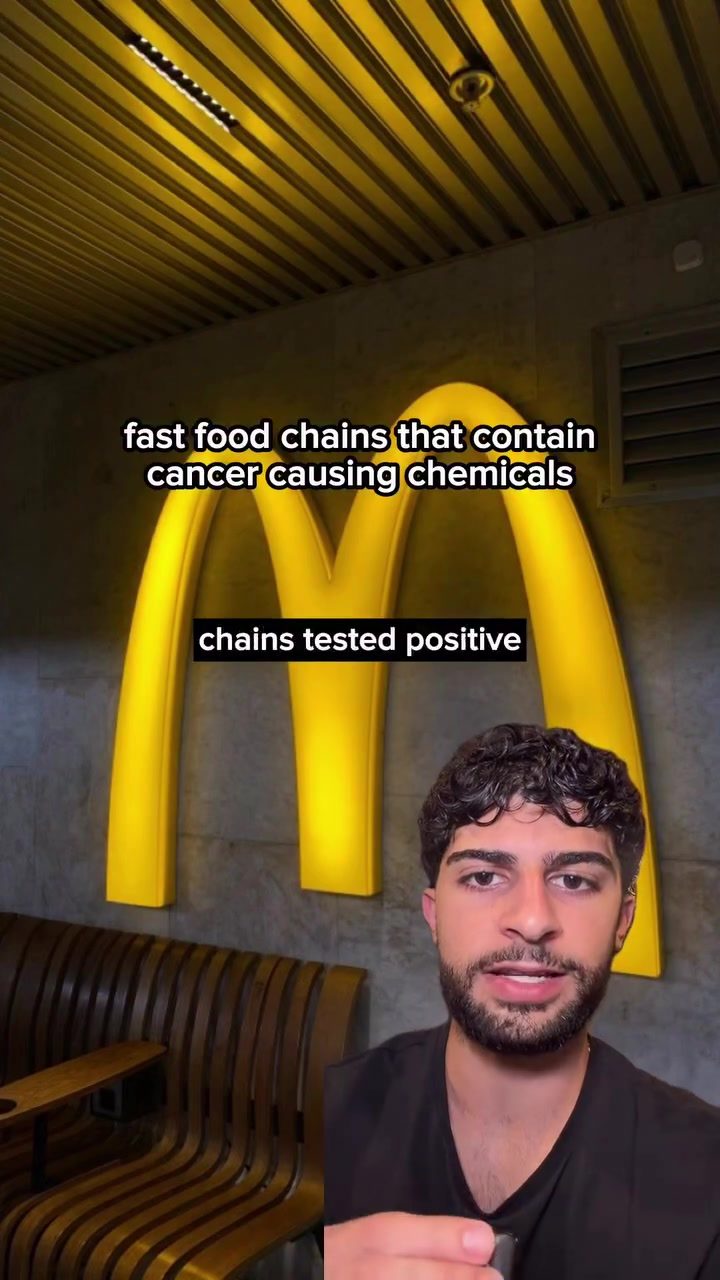
In the U.S., lab testing has found the pesticide glyphosate in every one of the top 21 fast food chains. Glyphosate is recognized by the International Agency for Research on Cancer as a probable human carcinogen, highlighting a significant concern for public health.
Why this matters
Glyphosate is widely used in agriculture as a herbicide, and its presence in fast food chains indicates potential exposure to this chemical through dietary intake. While the levels of glyphosate found in these chains vary, even trace amounts of a known carcinogen are alarming, especially given the frequency with which many people consume fast food.
Impact on Popular Fast Food Chains
The lists of affected chains is extensive, impacting some of the most popular fast food outlets in the country. Here are some of the key findings:
High Glyphosate Levels
- Panera Bread: This chain tops the list with 677 parts per billion (ppb) of glyphosate.
- Dunkin' Donuts: Known for its donuts and coffee, Dunkin' contains 328 ppb of glyphosate.
- Subway: With 298 ppb, Subway is another prominent chain on the list.
- Arby's: This chain contains 223 ppb of glyphosate.
- Outback Steakhouse: Known for its steak and casual dining experience, Outback Steakhouse contains 172 ppb of glyphosate.
Moderate Levels
- Pret A Manger: This chain contains 250 ppb of glyphosate.
- Whole Foods: Despite its focus on organic and natural products, Whole Foods contains 167 ppb.
- Papa John’s: Known for its pizza, Papa John’s contains 184 ppb of glyphosate.
- Little Caesar’s: This chain contains 128 ppb of glyphosate.
- Dairy Queen: Famous for its ice cream and soft-serve, Dairy Queen contains 126 ppb.
- Domino’s: This pizza chain contains 83.65 ppb of glyphosate.
- Starbucks: Known for its coffee and various food items, Starbucks contains 77.08 ppb.
Lower Levels
- Burger King: With 71.74 ppb, Burger King is on the lower end but still carries a notable amount of glyphosate.
- Wendy’s: Contains 57.08 ppb of glyphosate.
- Olive Garden: This upscale Italian-American chain contains 53.94 ppb.
- Sonic: Known for its drive-in dining experience, Sonic contains 56.69 ppb.
- Jack in the Box: This chain contains 46.87 ppb of glyphosate.
- KFC: Known for its fried chicken, KFC contains 45.09 ppb.
- Popeyes: Another popular fried chicken chain, Popeyes contains 30.03 ppb.
Minimal Levels
- Taco Bell: Contains 20.41 ppb of glyphosate.
- In-N-Out: Known for its classic burgers and fresh ingredients, In-N-Out contains 16.13 ppb.
- IHOP: This pancake house contains 11.96 ppb of glyphosate.
- Chick-fil-A: Known for its chicken sandwiches, Chick-fil-A contains 7.10 ppb.
- Pizza Hut: This pizza chain contains 5.25 ppb of glyphosate.
- Chili’s: Contains 5.40 ppb of glyphosate.
- McDonald’s: The world's largest fast-food chain contains 5.58 ppb.
- Panda Express: Known for its Chinese-American cuisine, Panda Express contains 4.75 ppb.
- Chipotle: This chain specializes in Mexican-inspired dishes and contains 4.65 ppb of glyphosate.
Potential Health Risks
The presence of glyphosate in fast food chains raises concerns about potential health risks. Glyphosate has been linked to various health issues, including:
Cancer
Glyphosate is classified as a probable human carcinogen by the International Agency for Research on Cancer. Long-term exposure to this chemical could increase the risk of developing certain types of cancer, such as non-Hodgkin lymphoma.
Reproductive Health
Studies have suggested that glyphosate may have adverse effects on reproductive health, including infertility and birth defects. This is a critical concern for individuals who consume fast food regularly.
Environmental Impact
The widespread use of glyphosate in agriculture has led to environmental concerns, including soil degradation, water contamination, and harm to wildlife. The presence of this chemical in fast food chains suggests that it may also be affecting the food supply chain.
What Are Fast Food Restaurants Doing to Address This?
While some fast food chains may be taking steps to reduce their use of glyphosate, the findings from this lab testing suggest that more action is needed. Several chains have implemented initiatives to source ingredients more sustainably and reduce the use of pesticides, but the presence of glyphosate in these chains indicates that there is still work to be done.
Practical Tips
To reduce exposure to glyphosate and other harmful chemicals, consider the following tips:
Choose Organic Foods
Opt for organic foods whenever possible. Organic farming practices prohibit the use of synthetic pesticides like glyphosate, making organic foods a safer choice.
Read Labels
Pay attention to food labels and look for products that are certified organic or non-GMO. These labels can provide assurance that the food has been produced with fewer harmful chemicals.
Cook at Home
Cooking at home allows you to control the ingredients in your meals, reducing the risk of exposure to harmful chemicals. Focus on fresh, whole foods and avoid processed foods, which are more likely to contain additives and preservatives.
Support Sustainable Agriculture
Support farmers and food producers who prioritize sustainable and organic farming practices. This can help reduce the overall use of harmful chemicals in agriculture and support a healthier food system.
Advocate for Change
Consumers have the power to drive change in the food industry. By advocating for stricter regulations on pesticide use and supporting brands that prioritize sustainability, you can help create a healthier food system for everyone.
Important Takeaways
These findings highlight the importance of being mindful about the food we consume. While fast food can be a convenient option, it is essential to consider the potential health risks associated with consuming these foods regularly. By making informed choices and supporting sustainable and organic farming practices, we can help reduce our exposure to harmful chemicals and support a healthier food system.
Conclusion
The presence of glyphosate in the top 21 fast food chains in America is a concerning issue that highlights the need for greater awareness and action. By understanding the potential health risks associated with glyphosate and taking steps to reduce our exposure, we can make healthier choices for ourselves and our families. Supporting sustainable and organic farming practices is also crucial in creating a healthier food system for everyone.
Watch the Reel
Questions readers ask
Which fast food chains were found to contain glyphosate?
All 21 top U.S. fast food chains were found to contain glyphosate, including popular outlets like McDonald's and Outback Steakhouse. This extensive list highlights the widespread presence of the chemical in fast food items.
What are the health concerns related to glyphosate in fast food?
Glyphosate is classified as a probable human carcinogen. Consuming fast food containing glyphosate may expose individuals to this chemical, potentially increasing health risks. Even trace amounts of a known carcinogen can be alarming, especially with the frequency of fast food consumption.
How does glyphosate end up in fast food?
Glyphosate, commonly used as an herbicide in agriculture, can be present in ingredients sourced from farms. This means that crops used in fast food items, such as those in donuts and steakhouse items, might contain residues of this chemical.
What should consumers do to avoid glyphosate exposure through fast food?
Consumers concerned about glyphosate exposure can take steps such as reducing their fast food intake, opting for fresh, locally sourced ingredients, and choosing organic options when possible. Staying informed about the specific items and chains with lower levels of glyphosate can also be beneficial.
What was found in the 2023 testing for glyphosate in fast food?
The 2023 testing revealed that glyphosate was present in all 21 top U.S. fast food chains. While the levels of the chemical varied, its presence in all tested chains underscores the potential for widespread exposure through fast food consumption.
Are there specific fast food items more likely to contain glyphosate?
Items like donuts and steakhouse fare are examples of fast food items that may contain glyphosate. This is due to the likelihood of glyphosate residue in the crops and ingredients used to prepare these items.
Recent articles
Fresh deep dives from the latest Reels we unpacked.




Comments
Be the first to comment.