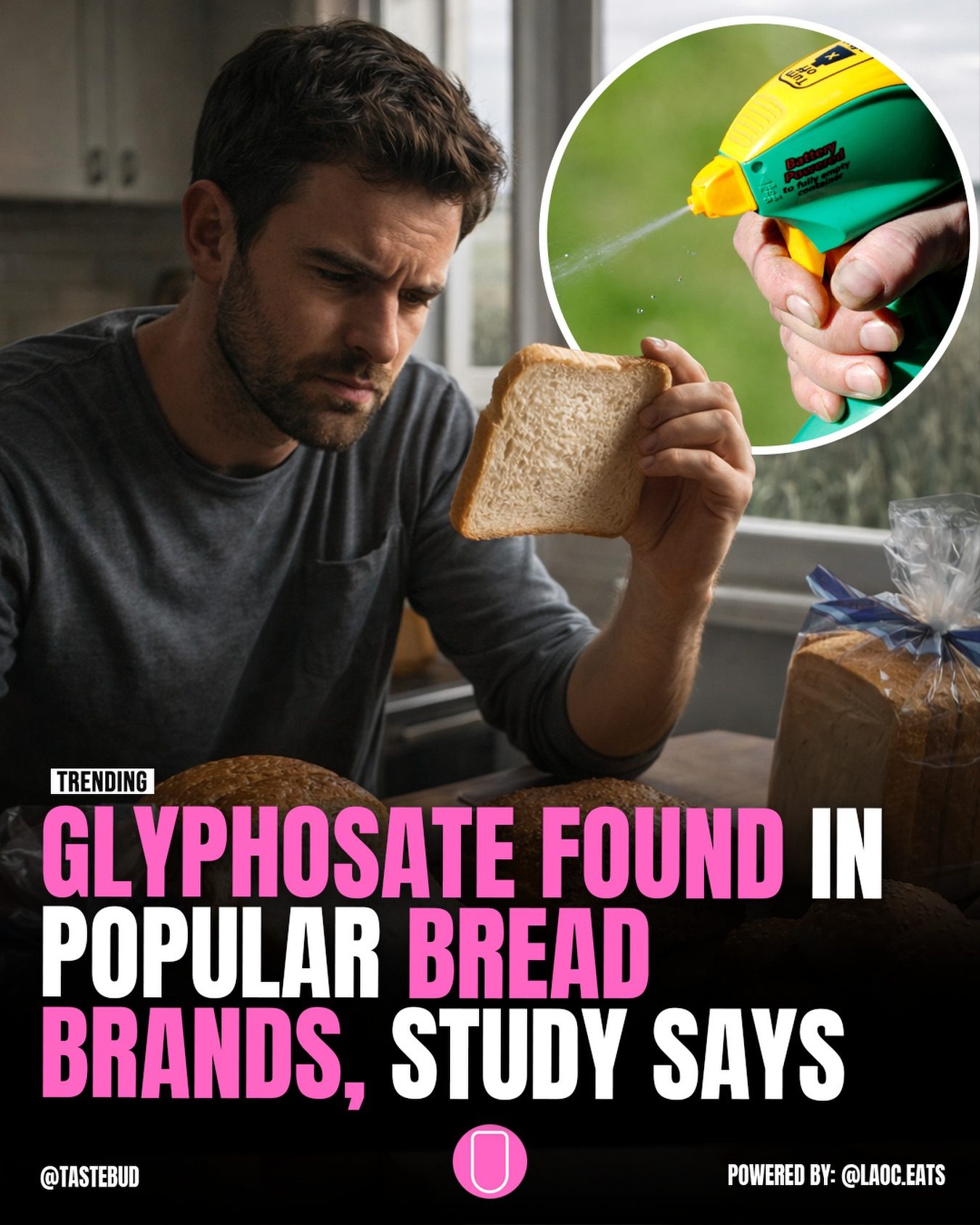
Glyphosate in Bread: What You Need to Know
Glyphosate, a widely used herbicide, has been a topic of concern in recent studies, particularly in relation to our daily food consumption. A Florida Department of Health initiative reported detecting glyphosate residues in 6 out of 8 commonly consumed bread products. The brands tested included Nature’s Own, Sara Lee, Wonder Bread, and Dave’s Killer Bread. While the highest levels found were around 190 parts per billion (ppb), this is far below the Environmental Protection Agency's (EPA) safety limit of 30,000 ppb.
Context: Why This Matters
Glyphosate is one of the most commonly used herbicides globally, primarily used to control weeds in agricultural settings. Its presence in food products has been a subject of debate among health experts and consumers alike. Understanding its implications and how it ends up in our food is crucial for making informed dietary choices.
Main Discussion
What is Glyphosate?
Glyphosate is a broad-spectrum herbicide that is used to kill weeds. It works by inhibiting an enzyme involved in the synthesis of aromatic amino acids, which are essential for plant growth. This makes it effective in controlling a wide range of weeds without damaging the crops it is used to protect. Glyphosate is the active ingredient in many popular herbicides, including Roundup.
How Does Glyphosate End Up in Bread?
Glyphosate residues in bread can be attributed to standard farming practices. Glyphosate is often sprayed on fields to control weeds, and it can be absorbed by crops, including wheat used to make bread. The residues can then be present in the final food products, such as bread. Additionally, glyphosate can be used as a desiccant to dry out crops before harvest, which can also lead to higher levels of residues.
Is Glyphosate in Bread a Health Concern?
Experts generally agree that the levels of glyphosate detected in the tested bread products are within safe limits set by regulatory bodies. The highest level found, 190 ppb, is significantly lower than the EPA’s safety limit of 30,000 ppb. However, the presence of any pesticide residues in food can be a concern for those who prefer to minimize their exposure to these chemicals. It’s important to note that long-term health effects of low-level glyphosate exposure are still a subject of ongoing research.
Practical Tips
Reading Labels and Certifications
One way to minimize glyphosate exposure is to look for bread products that are certified organic. Organic farming practices prohibit the use of synthetic pesticides like glyphosate. Additionally, reading labels and choosing breads made from wheat that is not treated with glyphosate can be beneficial.
Cooking and Cleaning
Thoroughly washing and cleaning produce can help reduce pesticide residues, though this is less applicable to bread. However, choosing whole-grain breads can sometimes help, as they may contain less processed wheat.
Diverse Diet
Maintaining a diverse diet can also help reduce the overall intake of any single pesticide. By consuming a variety of foods, you can spread out the potential exposure to pesticides across multiple food sources.
Important Takeaways
- Glyphosate residues have been found in several popular bread brands, but at levels below the EPA’s safety limit.
- Gyphosate is commonly used in farming practices to control weeds and can end up in our food supply.
- While the detected levels are considered safe, some consumers may want to reduce their exposure to pesticides.
- Choosing organic products, reading labels, and maintaining a diverse diet can help minimize glyphosate exposure.
Conclusion
The detection of glyphosate in commonly consumed bread products highlights the pervasive nature of pesticides in our food system. While the levels found in the tested breads are considered safe, it's essential to stay informed and make choices that align with your personal health preferences. By understanding where glyphosate comes from and how it ends up in our food, we can take steps to minimize our exposure and promote a healthier diet.
Watch the Reel
Questions readers ask
Which popular bread brands were found to contain glyphosate residues?
The Florida Department of Health detected glyphosate in several popular brands, including Nature’s Own, Sara Lee, Wonder Bread, and Dave’s Killer Bread. Other bread brands may also contain glyphosate, but this study focused on these specific products.
How much glyphosate is considered safe in bread?
The Environmental Protection Agency (EPA) has set a safety limit of 30,000 ppb for glyphosate in food. The highest levels found in the bread study were around 190 ppb, which is significantly lower than the EPA's safety threshold.
How does glyphosate end up in bread products?
Glyphosate is absorbed by wheat crops when the herbicide is used to control weeds during cultivation. As a result, residues can be present in the wheat used to make bread, leading to instances of glyphosate in our daily bread.
What are the potential health risks associated with glyphosate in food?
Researchers continue to debate the health impacts of glyphosate. While some studies suggest potential long-term effects, it’s important to note that the levels found in bread are below the EPA's safety limit. Moderation and a balanced diet can help mitigate potential risks.
What can consumers do to minimize their exposure to glyphosate in bread?
Consumers can look for organic bread products, which are produced without the use of synthetic herbicides like glyphosate. Additionally, choosing brands that prioritize sustainable farming practices can help reduce exposure to this herbicide.
How accurate are the glyphosate detection studies conducted by the Department of Health?
The Florida Department of Health study detected glyphosate in 6 out of 8 bread products, indicating a high level of reliability in their testing methods. To get a better understanding, consumers can look for more studies and scientific analyses in the future.
Are there any food safety guidelines specific to glyphosate in bread?
The EPA has established 30,000 ppb as the safety limit for glyphosate in food, which includes bread. Consumers can refer to these guidelines and stay informed about ongoing research to make informed decisions about their diet.
Related deep dives
Similar reads based on topic and creator.

Recent articles
Fresh deep dives from the latest Reels we unpacked.




Comments
Be the first to comment.