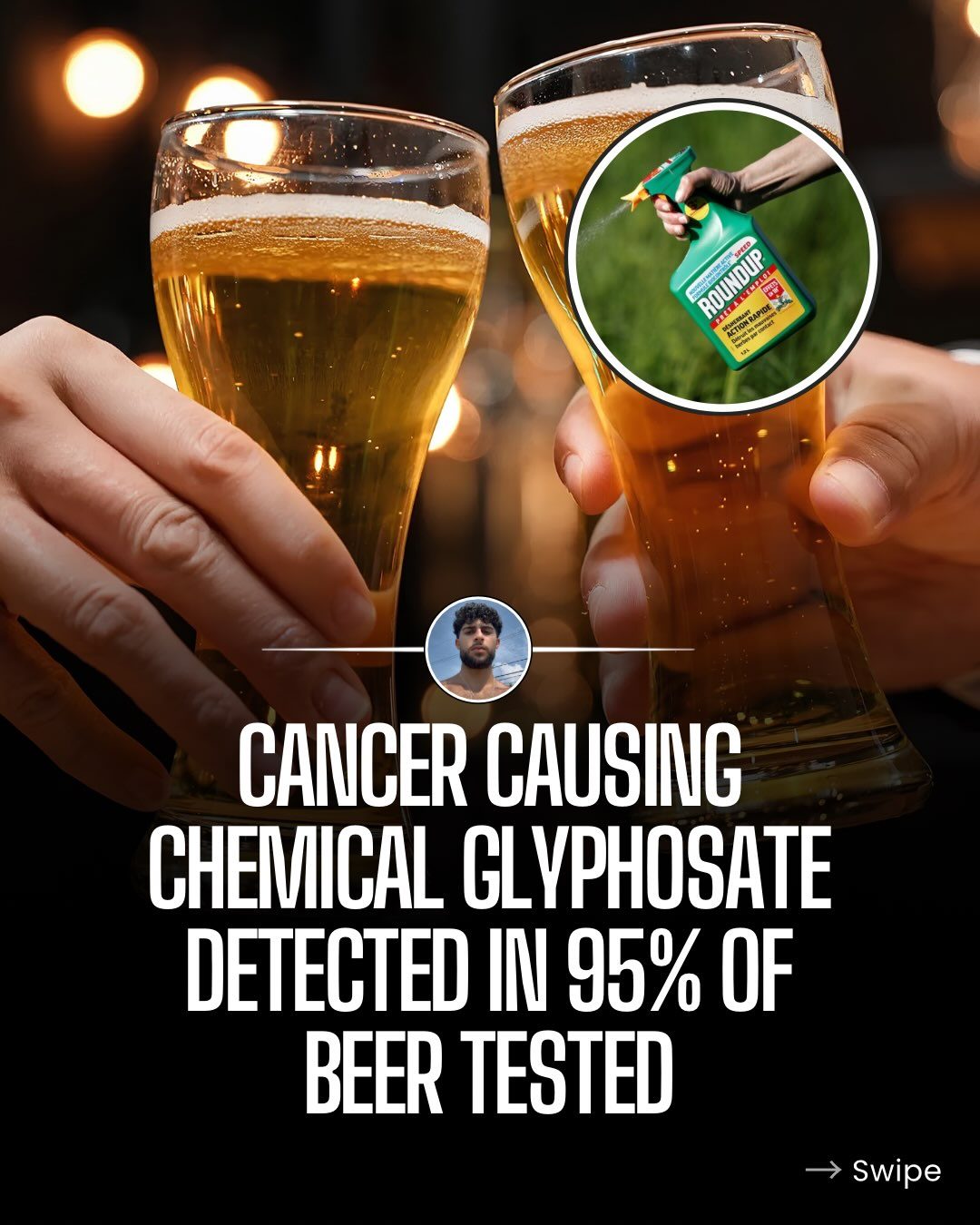
Glyphosate in Beer: Understanding the Presence of a Controversial Chemical
Glyphosate, the active ingredient in the widely used weedkiller Roundup, has been found in trace amounts in many popular beers. This discovery, made by consumer advocacy groups, has raised questions and concerns among beer enthusiasts and health-conscious consumers alike. Let's delve into what this means for beer lovers and the beer industry.
Why This Matters
Glyphosate has been a subject of controversy due to its potential health risks. Classified as a probable carcinogen by the World Health Organization, its detection in beer has sparked discussions about safety and regulation. Understanding the implications of glyphosate in beer is crucial for making informed decisions about consumption and for pushing for better regulatory standards.
Main Discussion
What is Glyphosate?
Glyphosate is a broad-spectrum herbicide used to control weeds in agriculture and gardening. It is the primary active ingredient in Roundup, a popular weedkiller produced by Monsanto, now owned by Bayer. Glyphosate works by inhibiting an enzyme involved in the synthesis of aromatic amino acids, which are essential for plant growth.
Why is Glyphosate in Beer?
The presence of glyphosate in beer can be attributed to several factors:
- Glyphosate is widely used in agriculture, and it can contaminate crops, including barley and hops, which are key ingredients in beer.
- The chemical can linger in the soil and water, potentially being absorbed by plants used in brewing.
- Glyphosate residue can also be introduced during the brewing process if contaminated ingredients are used.
Popular Beers and Glyphosate Levels
Consumer advocacy groups have tested various beer brands and found trace amounts of glyphosate. The detected levels are measured in parts per billion (PPB). Here are some of the findings:
- Tsingtao: 49.7 PPB
- Stella Artois: 20.9 PPB
- Guinness: 29.8 PPB
- Heineken: 27.0 PPB
- Coors Light: 31.1 PPB
- Corona Extra: 25.1 PPB
- Fat Tire: 11.2 PPB
These levels, while relatively low, have raised concerns about the potential long-term effects of consuming glyphosate.
Health Implications
Glyphosate's presence in beer has led to questions about its potential health risks. While the levels detected are trace amounts, the long-term effects of consuming glyphosate, even in small quantities, are still a subject of ongoing research. Some studies suggest a link between glyphosate exposure and health issues, including cancer, while other studies have found no significant risk. It's important to note that the debate is far from settled, and more research is needed to fully understand the health implications.
Practical Tips
Choosing Your Beer
If you're concerned about glyphosate in your beer, there are a few steps you can take:
- Look for Organic Options: Organic beers are made from ingredients that are grown without the use of synthetic pesticides, including glyphosate. These beers are less likely to contain glyphosate residue.
- Support Local Brewers: Local breweries often have more control over their ingredient sourcing and brewing processes, which can reduce the risk of contamination.
- Stay Informed: Keep up with the latest research and regulations regarding glyphosate and beer. Consumer advocacy groups often provide updates and recommendations.
Advocating for Change
Consumers can also push for better regulatory standards and transparency in the beer industry. Here's how:
- Demand Labeling: Advocate for mandatory labeling of glyphosate levels in beer. This would help consumers make more informed choices.
- Support Regulatory Reforms: Encourage regulatory bodies to enforce stricter limits on glyphosate residue in food and beverages.
- Engage with Breweries: Reach out to breweries to ask about their sourcing practices and glyphosate testing protocols. Public pressure can drive positive changes.
Important Takeaways
- Glyphosate, a controversial herbicide, has been detected in many popular beers.
- The levels of glyphosate in beer are measured in parts per billion (PPB) and vary by brand.
- The long-term health effects of consuming glyphosate are still a subject of debate.
- Consumers can choose organic and locally sourced beers to reduce their exposure to glyphosate.
- Advocating for better labeling and regulatory standards can help address this issue.
Conclusion
The detection of glyphosate in beer is a complex issue that touches on health, consumer rights, and regulatory standards. By staying informed and making conscious choices, consumers can navigate this issue and push for a healthier, more transparent beer industry. The debate around glyphosate's safety will continue, but in the meantime, consumers have the power to influence positive changes and protect their health.
Watch the Reel
Recent articles
Fresh deep dives from the latest Reels we unpacked.




Comments
Be the first to comment.