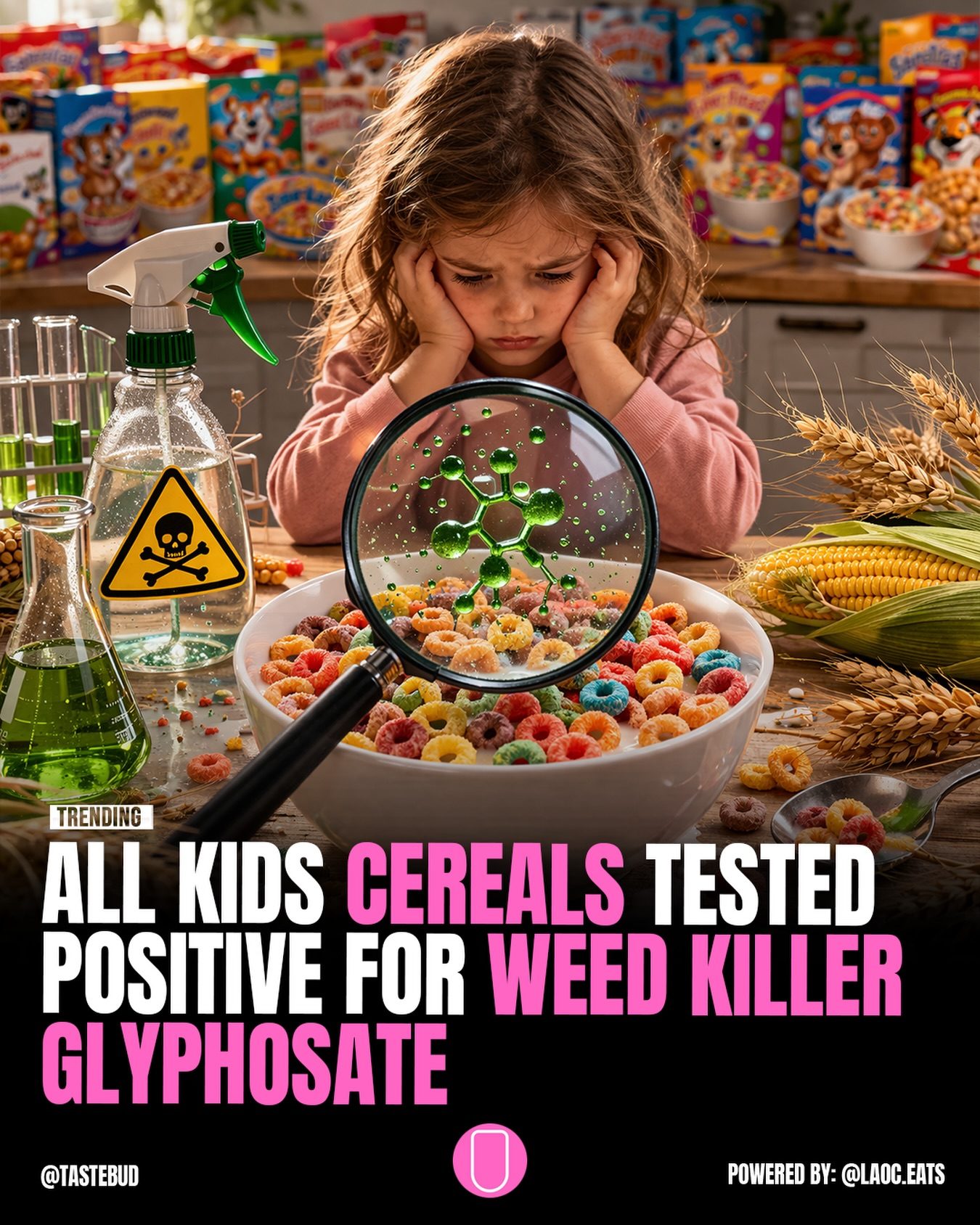
Glyphosate in Children's Cereal
Glyphosate, a widely used chemical in weedkillers, has been detected in many popular breakfast foods marketed to children. This revelation comes from a study that tested various oat-based products, including cereals, granola, and snack bars. The findings are concerning, as glyphosate was present in most of the samples tested. Only two out of the 45 products analyzed were free of the chemical, and many exceeded levels that researchers consider safe for children.
Why This Matters
The presence of glyphosate in children's breakfast foods is a significant issue. Children are particularly vulnerable to the potential health impacts of such chemicals due to their smaller body size and developing systems. The findings of this study raise important questions about food safety and the regulatory standards for pesticides in food production. While regulators assert that current levels are within legal limits, the study's results suggest that these limits may not be stringent enough to protect children's health.
Additionally, the study highlights the broader issue of pesticide use in agriculture. Glyphosate is one of the most commonly used herbicides worldwide, and its presence in food products is a reminder of the pervasive nature of agricultural chemicals. Understanding the implications of this chemical in our food supply is crucial for making informed decisions about what we eat and feed to our children.
Main Discussion
Understanding Glyphosate
Glyphosate is a broad-spectrum herbicide that is used to control weeds in a variety of agricultural settings. It works by inhibiting an enzyme involved in the synthesis of aromatic amino acids, which are essential for plant growth. While glyphosate is effective at killing weeds, its widespread use has led to concerns about its potential impact on human health and the environment.
The Study's Findings
The study tested 45 popular oat-based products, including cereals, granola, and snack bars. Out of these, 43 samples tested positive for glyphosate. The levels of glyphosate varied, with some products containing amounts that exceeded those considered safe for children. Only two products were found to be free of the chemical, highlighting the pervasive nature of glyphosate in our food supply.
Practical Tips
While the findings of this study are concerning, there are steps you can take to minimize your exposure to glyphosate and other pesticides in your food:
Choose Organic Products
One of the most effective ways to reduce your exposure to glyphosate is to choose organic products. Organic farming practices prohibit the use of synthetic pesticides, including glyphosate, and organic products are less likely to contain residues of these chemicals.
Diversify Your Diet
Eating a diverse range of foods can help reduce your exposure to any single pesticide. By incorporating a variety of fruits, vegetables, and whole grains into your diet, you can minimize the risk of consuming large amounts of any one chemical.
Wash and Peel Produce
Thoroughly washing and peeling produce can help remove pesticide residues from the surface. While this won't eliminate all pesticides, it can reduce the amount you ingest.
Support Sustainable Agriculture
Supporting sustainable and regenerative agriculture practices can help reduce the overall use of pesticides in food production. By choosing products from farmers who prioritize environmental stewardship, you can help create a demand for healthier, more sustainable food systems.
Read Labels
Reading food labels can help you make informed decisions about the products you buy. Look for products that are certified organic or non-GMO, and avoid products that contain ingredients known to be contaminated with glyphosate, such as oats.
Important Takeaways
The detection of glyphosate in children's cereals and other oat-based products underscores the need for greater scrutiny of our food supply. While regulators may consider current levels of glyphosate to be within legal limits, the study's findings suggest that these limits may not adequately protect children's health.
Conclusion
The presence of glyphosate in popular breakfast foods marketed to children is a cause for concern. By understanding the implications of this chemical in our food supply and taking steps to minimize our exposure, we can make informed decisions about what we eat and feed to our children. Supporting sustainable and regenerative agriculture practices can also help create a healthier, more sustainable food system for future generations.
Watch the Reel
Questions readers ask
What is glyphosate and why is it in kids' cereals?
Glyphosate is a commonly used weedkiller, and it has been found in many popular kids' cereals due to its use in farming and agriculture. It can be present in oats and other grains used in these products, which is why it shows up in cereal and similar breakfast foods.
Which popular kids' cereals have glyphosate?
The study found glyphosate in most of the popular kids' cereals tested. Some of these cereals are commonly marketed towards children, and unfortunately, many of them contained levels of glyphosate that are potentially harmful for young children.
What are the concerns with glyphosate in children's breakfast foods?
The concerns are that children are more vulnerable to the effects of chemicals like glyphosate due to their smaller body size and developing systems. The presence of glyphosate in breakfast foods can potentially expose children to harmful levels of this chemical.
How can I know if a cereal is safe for my child?
To ensure you are serving a safe cereal, you can look for products that are organic, as they are less likely to contain glyphosate. Additionally, you can look for brands that have been independently tested and found to be free of glyphosate. It is also helpful to stay informed about recent studies and findings.
What should I do if I've been feeding my child cereal with glyphosate?
If you’ve been feeding your child cereal that has been found to contain glyphosate, don’t panic, but you should consider switching to alternatives. Look for products that are certified organic or have been tested and verified to be free of glyphosate. It’s also a good idea to consult with a healthcare provider if you have specific concerns.
Related deep dives
Similar reads based on topic and creator.



Recent articles
Fresh deep dives from the latest Reels we unpacked.




Comments
Be the first to comment.