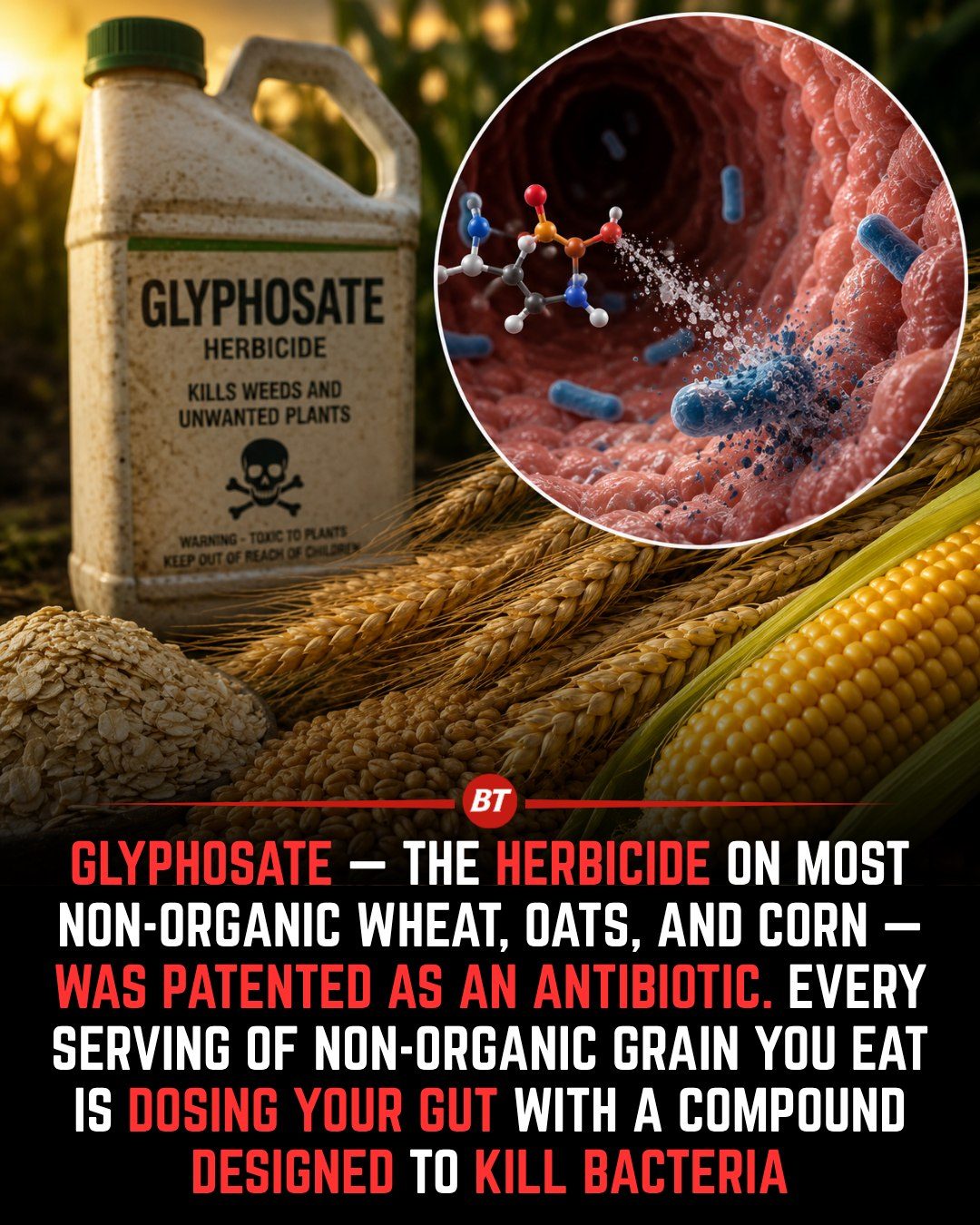
Glyphosate: A Detailed Look at the Herbicide and Its Implications
Glyphosate is the world's most widely used herbicide, commonly applied in the production of various crops, including wheat, oats, corn, and soybeans. Its widespread use raises questions about its potential effects on human health, particularly through dietary exposure. Understanding glyphosate, its mechanisms, and its potential impact on the gut microbiome is crucial for informed dietary choices and agricultural practices.
Glyphosate: An Overview
Glyphosate is a broad-spectrum herbicide that works by inhibiting the shikimate pathway, a metabolic pathway crucial for the synthesis of aromatic amino acids in plants, fungi, and many bacteria. However, this pathway is absent in humans, which is why glyphosate is generally considered safe for human consumption in small doses.
Initially patented as an herbicide, glyphosate was also recognized for its ability to affect certain microorganisms. This dual functionality has led to extensive research on its impact on the gut microbiome—the diverse community of microorganisms living in the human digestive system.
Glyphosate in Agriculture
Glyphosate is extensively used in agriculture to control weeds and unwanted plants. Its efficacy in enhancing crop yields and reducing labor costs has made it a staple in modern farming practices. However, its widespread use has also led to trace residues in foods made from treated crops. These residues, while generally low, have sparked concerns about potential long-term health effects.
Non-organic grains, particularly wheat, oats, and corn, are often treated with glyphosate. This means that every serving of non-organic grain may contain traces of glyphosate, a compound designed to kill bacteria. The implications of this on gut health are a subject of ongoing research.
Glyphosate and the Gut Microbiome
The gut microbiome plays a critical role in human health, influencing digestion, immune function, and even mental health. Researchers have investigated whether glyphosate exposure could alter the composition of the gut microbiome. Some laboratory and animal studies suggest that certain bacterial species may be more sensitive to glyphosate than others.
The shikimate pathway, which glyphosate inhibits, is present in many gut bacteria. This has raised concerns that glyphosate could potentially disrupt the balance of the gut microbiome, leading to various health issues. However, the extent to which typical dietary exposure affects the human gut microbiome remains an area of ongoing research, and current evidence is still mixed.
Regulatory Considerations
Regulatory agencies worldwide continue to evaluate glyphosate safety based on exposure levels. While glyphosate is generally considered safe for human consumption, the potential long-term effects on human health, agriculture, and microbial ecosystems are still under scrutiny. Ongoing research aims to provide a clearer understanding of glyphosate's impacts, guiding future regulatory decisions and agricultural practices.
Practical Tips for Reducing Glyphosate Exposure
If reducing pesticide exposure is a priority, consider the following practical tips:
1. Thoroughly Wash Produce
Washing produce thoroughly can help remove pesticide residues. While this may not eliminate all traces of glyphosate, it can significantly reduce exposure.
2. Diversify Your Diet
A diverse diet can help mitigate the impact of any single pesticide. Incorporating a variety of foods from different sources can ensure that you are not overly exposed to any one type of pesticide.
3. Choose Organic Versions
Opting for organic versions of foods such as oats, wheat, and corn can reduce glyphosate exposure. Organic farming practices prohibit the use of synthetic pesticides, including glyphosate.
Important Takeaways
- Glyphosate is the world's most widely used herbicide, commonly applied to crops like wheat, oats, and corn.
- Glyphosate works by inhibiting the shikimate pathway, which is present in many gut bacteria.
- Trace residues of glyphosate can be found in foods made from treated crops, raising concerns about potential health impacts.
- The effect of glyphosate on the gut microbiome is an area of ongoing research, with mixed evidence.
- Practical steps, such as washing produce, diversifying your diet, and choosing organic foods, can help reduce glyphosate exposure.
Conclusion
Glyphosate's widespread use in agriculture has made it a ubiquitous presence in our food supply. Understanding its mechanisms and potential impacts on human health is essential for making informed choices. While more research is needed to fully comprehend glyphosate's effects, taking practical steps to reduce exposure can help safeguard gut health and overall well-being.
Watch the Reel
Questions readers ask
What is glyphosate and why is it widely used in agriculture?
Glyphosate is a broad-spectrum herbicide that is extensively used in agriculture to control weeds. It is the most widely used herbicide globally and is commonly applied to crops like wheat, oats, corn, and soybeans. Its popularity stems from its effectiveness in killing a wide range of plants and its relatively low cost.
How does glyphosate affect the gut microbiome?
Glyphosate can disrupt the gut microbiome by inhibiting the shikimate pathway, which is essential for the synthesis of aromatic amino acids in many beneficial bacteria. This disruption can potentially lead to imbalances in gut bacteria, which may have implications for overall health and immunity.
What are the differences between organic and non-organic crops in terms of glyphosate exposure?
Non-organic crops are more likely to have glyphosate residues because glyphosate is commonly used as a herbicide in their production. In contrast, organic crops are grown without the use of synthetic pesticides, including glyphosate, making them a preferable choice for those looking to avoid glyphosate exposure.
How can I follow a glyphosate-free diet?
To follow a glyphosate-free diet, opt for organic products whenever possible, especially for grains like wheat, oats, and corn. Organic foods are grown without the use of glyphosate, reducing the likelihood of residue in your food. Additionally, consider buying certified glyphosate-free products and washing your produce thoroughly.
What are the potential long-term health effects of glyphosate exposure through diet?
The long-term health effects of glyphosate exposure through diet are still a subject of ongoing research. Some studies suggest potential links to gastrointestinal issues, disruptions in the gut microbiome, and other health concerns. While more research is needed, many health-conscious individuals choose to minimize their exposure to glyphosate by opting for organic foods.
Why are organic alternatives to glyphosate important?
Organic alternatives to glyphosate are important because they offer a way to control weeds without relying on synthetic chemicals. By using organic methods, farmers can produce crops that are free from glyphosate residues, providing consumers with healthier options and promoting sustainable agricultural practices.
Related deep dives
Similar reads based on topic and creator.




Recent articles
Fresh deep dives from the latest Reels we unpacked.




Comments
Be the first to comment.