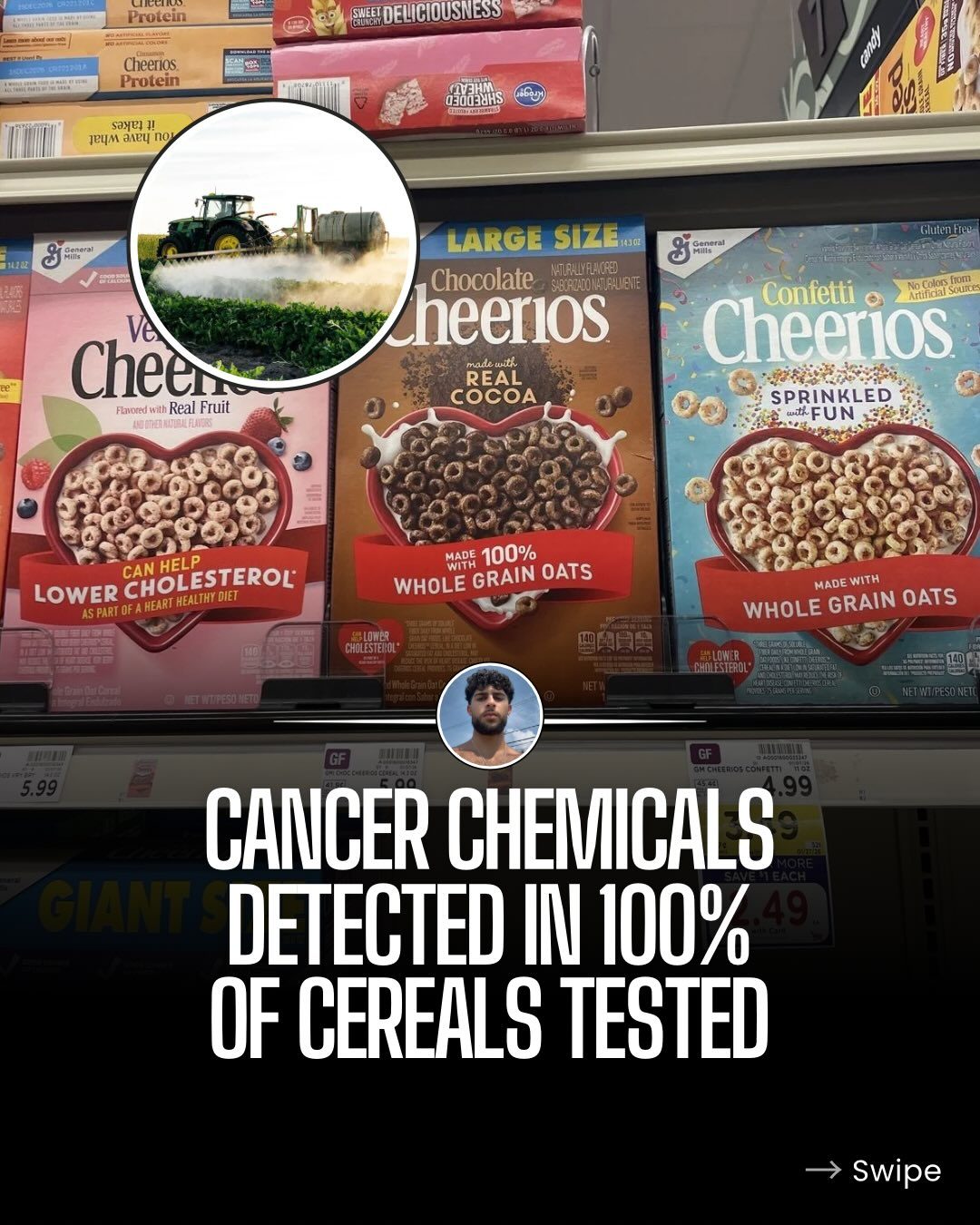
Glyphosate in Cereal: What Parents Need to Know
The presence of glyphosate, the active ingredient in Monsanto’s Roundup weed killer, in popular oat-based cereals and snacks has raised concerns among parents and health-conscious consumers. Tests commissioned by the Environmental Working Group (EWG) detected glyphosate in all 28 samples of products made with conventionally grown oats, including various types of General Mills’ Cheerios and Quaker brand products from PepsiCo. Understanding the implications of these findings is crucial for making informed choices about breakfast foods.
Why This Matters
Glyphosate is a widely used herbicide that has been a subject of controversy due to its potential health risks. The EWG's tests found that all but two of the 28 samples had levels of glyphosate above their health benchmark of 160 parts per billion (ppb). This benchmark is set to protect children's health, making the findings particularly alarming for parents. The highest level of glyphosate detected was 2,837 ppb in Quaker Oatmeal Squares breakfast cereal, nearly 18 times higher than the EWG's benchmark.
Understanding Glyphosate in Cereal
What is Glyphosate?
Glyphosate is a broad-spectrum herbicide used to kill weeds. It is widely used in agricultural settings, including the cultivation of oats. The chemical works by inhibiting the synthesis of certain amino acids in plants, effectively killing them. While glyphosate is effective for weed control, its presence in food products has sparked concerns about potential health risks.
How Does Glyphosate End Up in Cereal?
Oats are often grown in fields where glyphosate is used as a desiccant to dry out the crops before harvest. This practice can lead to residual glyphosate in the oats, which are then used to make various cereal products. The EWG's tests revealed that this practice results in detectable levels of glyphosate in many popular cereal brands, including General Mills' Cheerios.
Health Implications
The health implications of consuming glyphosate are a subject of ongoing debate. Some studies suggest that long-term exposure to glyphosate may be linked to certain health issues, including cancer. The EWG's health benchmark of 160 ppb is based on the assumption that this level of exposure poses a minimal risk to children. However, the detection of glyphosate levels above this benchmark in many cereal products raises concerns about potential health risks.
Practical Tips for Parents
Choosing Organic or Glyphosate-Free Options
One of the most effective ways to reduce exposure to glyphosate is to choose organic or glyphosate-free cereal products. Organic cereals are produced without the use of synthetic pesticides, including glyphosate, making them a safer choice for families. Look for products labeled as "USDA Organic" or "Non-GMO Project Verified," as these certifications ensure that the products are free from glyphosate and other synthetic chemicals.
Reading Labels Carefully
When shopping for cereal, it's essential to read labels carefully. Look for products that specifically state they are free from glyphosate or other synthetic pesticides. Some brands may also provide information about their farming practices, including the use of glyphosate. This information can help you make more informed choices about the products you buy.
Cooking Methods That Reduce Glyphosate
Certain cooking methods can help reduce the presence of glyphosate in cereal products. For example, soaking oats in water overnight and then cooking them can help remove some of the residual glyphosate. Additionally, rinsing cereal products before consumption can also help reduce exposure to the herbicide.
Important Takeaways
The detection of glyphosate in popular oat-based cereals and snacks highlights the need for greater transparency and regulation in the food industry. Parents and health-conscious consumers should be aware of the potential risks associated with glyphosate and take steps to reduce their exposure. Choosing organic or glyphosate-free products, reading labels carefully, and using cooking methods that reduce glyphosate are all effective strategies for minimizing exposure.
Conclusion
The presence of glyphosate in cereal products is a concerning issue that requires attention from parents, health experts, and food manufacturers. By understanding the implications of glyphosate in cereal and taking practical steps to reduce exposure, consumers can make more informed choices about the foods they consume. The EWG's findings serve as a reminder of the importance of transparency and regulation in the food industry, and the need for continuous monitoring and testing of food products to ensure their safety.
Watch the Reel
Questions readers ask
What is glyphosate and why is it in my cereal?
Glyphosate is an herbicide commonly used in agriculture, including the cultivation of oats. It is the active ingredient in Roundup, and its presence in oat-based cereals is due to its use in controlling weeds in oat production. The Environmental Working Group (EWG) detected glyphosate in various popular oat cereals, raising concerns about its potential presence in breakfast foods.
Which popular cereals were tested and found to contain glyphosate?
The EWG's tests included 28 samples of products made with conventionally grown oats. This included various types of General Mills’ Cheerios and Quaker brand products from PepsiCo. All of the 28 samples were found to have levels of glyphosate, with some exceeding safety thresholds.
What are the potential health risks associated with glyphosate in cereal?
The presence of glyphosate in food has raised concerns due to its potential health risks. Glyphosate has been linked to various health issues, including potential cancer risks, according to some studies. The EWG’s findings suggest that consumers, particularly parents, should be aware of these potential risks when choosing cereal products.
What is the significance of the safety threshold for glyphosate in food?
The safety threshold for glyphosate in food is a level set by regulatory bodies to indicate the maximum acceptable amount of glyphosate in food products. EWG tests found that some cereals contained glyphosate levels above this threshold, which could potentially pose health risks to consumers, especially children who may consume these products regularly.
What are the EWG findings regarding glyphosate levels in oat cereals?
The EWG's analysis of oat-based cereals revealed the presence of glyphosate in all 28 products tested, with some samples showing levels that exceed the allowed safety threshold. The findings underscore the widespread use of glyphosate in oat cultivation and the potential for contamination in breakfast foods.
How can parents minimize the risk of glyphosate in their children’s diets?
Parents can take several steps to minimize the risk of glyphosate in their children’s diets. This includes choosing organic oat products, which are less likely to contain glyphosate residue, and looking for products specifically labeled as glyphosate-free. Additionally, parents can advocate for better regulation and transparency in food production to reduce glyphosate contamination.
Related deep dives
Similar reads based on topic and creator.


Recent articles
Fresh deep dives from the latest Reels we unpacked.




Comments
Be the first to comment.