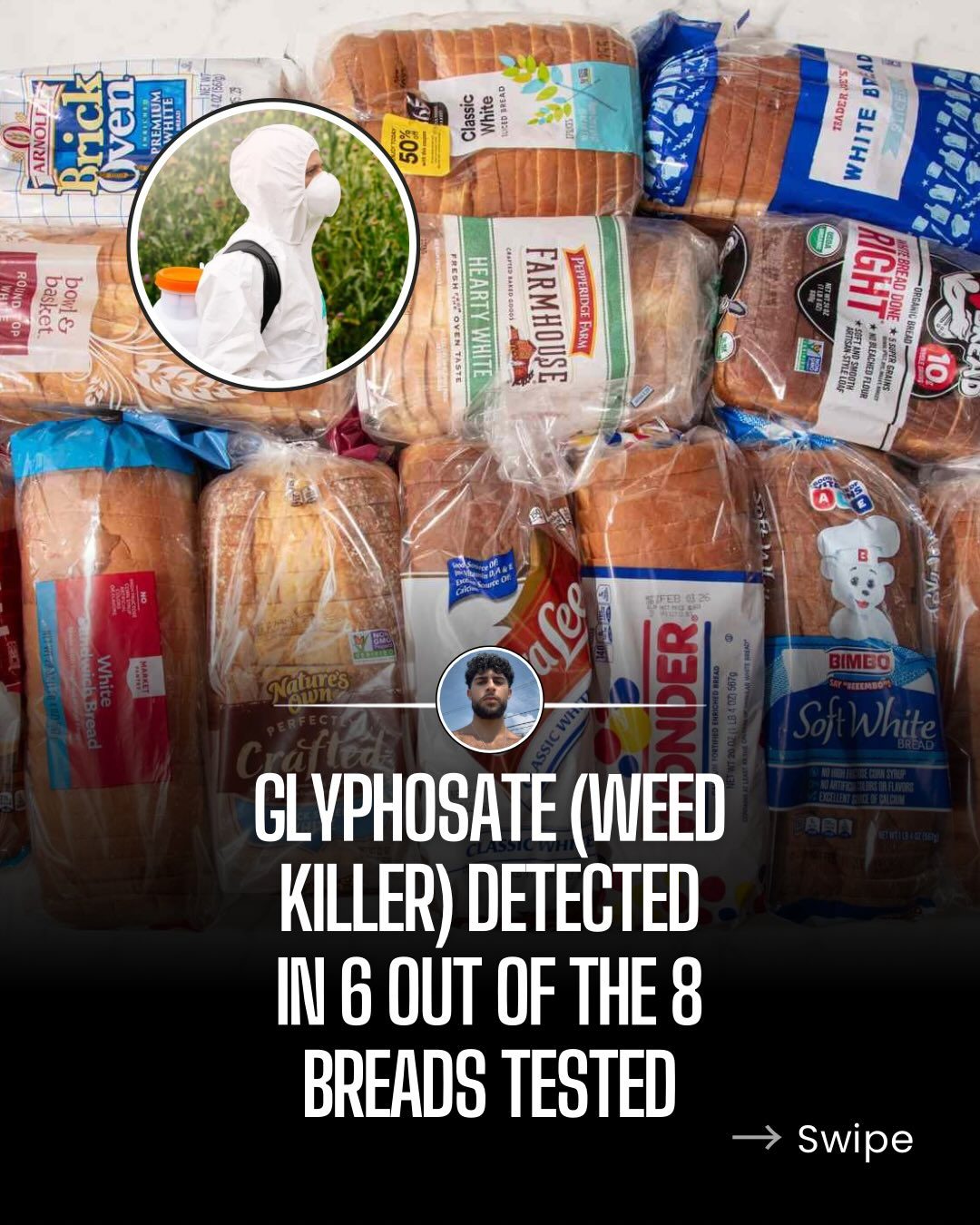
Glyphosate in Bread
Understanding the presence of glyphosate, a widely-used weed killer, in food products such as bread, is a significant topic. A recent examination of eight popular bread brands revealed that six out of these eight breads had detectable levels of glyphosate.
Why This Matters
Glyphosate, the primary ingredient in the herbicide Roundup, is commonly used by farmers to dry wheat crops before harvest. This practice accelerates the harvesting process, making it more efficient for farmers, but it also means that glyphosate residues can end up in the wheat used to make bread. This is a concern for many consumers, especially those who are health-conscious and seek to avoid chemical residues in their food.
Main Discussion
Understanding Glyphosate
Glyphosate is a herbicide that works by inhibiting an enzyme involved in the synthesis of aromatic amino acids, which are essential for plant growth. While it's effective in killing weeds, its use on food crops can lead to residues in the final product.
Bread and Glyphosate
The recent testing highlighted several key points about glyphosate in bread:
-
Prevalence in Bread Brands: Out of eight tested breads, six contained glyphosate. This includes popular brands like Sara Lee, Nature's Own, and Wonder Bread.
-
Levels Detected: The levels of glyphosate varied among the brands. Sara Lee Honey Wheat had the highest level at 191 parts per billion (ppb), followed by Nature’s Own Butter Bread at 190 ppb, and Wonder Bread Classic White at 173 ppb.
- Organic brands like Dave's Killer Bread also tested positive, albeit at much lower levels (10-12 ppb).
Whole Grain vs. Non-GMO
It's important to note that glyphosate is used on conventional wheat, not genetically modified organisms (GMOs). Non-GMO labels do not guarantee the absence of glyphosate. Whole grain breads often test higher for glyphosate because whole grains retain more of the outer layers of the wheat kernel, where residues tend to accumulate.
Practical Tips
Choosing Bread Wisely
If you're concerned about glyphosate in your bread, consider the following tips:
-
Read Labels: Look for breads that are labeled as organic. While even organic breads can have trace amounts of glyphosate, they are much less likely to have significant residues.
-
Check for Certifications: Some breads may have certifications that verify they were tested and found to be free of glyphosate.
-
Consider Homemade: Making your own bread allows you to control the ingredients and ensure that no glyphosate-containing chemicals were used.
-
Variety in Diet: Reducing your overall consumption of bread is another practical approach. Opt for a varied diet that includes other whole grains and fiber sources.
Important Takeaways
-
Glyphosate is Present in Many Breads: The testing results show that glyphosate is a common contaminant in many popular bread brands.
-
Levels Vary Widely: The levels of glyphosate detected in bread can vary significantly, from trace amounts to much higher concentrations.
-
Whole Grain Breads: Whole grain breads tend to have higher levels of glyphosate due to the way they are processed.
-
Organic is Better, But Not Perfect: Organic breads have lower levels of glyphosate, but they are not guaranteed to be glyphosate-free.
Conclusion
The presence of glyphosate in bread is a complex issue that involves agricultural practices, food processing, and consumer choices. While it's encouraging to see more awareness and testing of glyphosate in food products, it's also clear that there is much work to be done in ensuring that our food supply is free from unwanted chemical residues. Choosing breads carefully, reading labels, and opting for organic or homemade options can help mitigate exposure to glyphosate.
Watch the Reel
Questions readers ask
What is glyphosate and why is it used in wheat farming?
Glyphosate is the active ingredient in the widely-used herbicide Roundup. Farmers apply it to wheat crops before harvest to accelerate the drying process, which helps to streamline the harvesting procedure. However, this practice can lead to glyphosate residues remaining in the wheat used for bread production.
Which bread brands were found to contain glyphosate?
While the article mentions a recent examination of eight popular bread brands, it does not specify the names of the brands. However, it reveals that six out of these eight brands had detectable levels of glyphosate, indicating that this issue is not isolated to a single brand.
What are the health concerns associated with glyphosate in bread?
Glyphosate has been the subject of much debate regarding its potential health impacts. Some studies suggest it may pose risks, such as endocrine disruption and potential carcinogenicity. Consumers who are mindful of their health, especially those aiming to minimize chemical intake in food, may have concerns about consuming bread with detectable levels of glyphosate.
How can consumers avoid glyphosate in bread?
To minimize exposure to glyphosate in bread, consumers can opt for brands that explicitly test for and ensure low or no glyphosate residues in their products. Some brands may also use organic or non-GMO wheat, which is less likely to have been treated with glyphosate. Additionally, seeking out locally produced, artisanal breads can be a strategy to avoid glyphosate contamination, as these producers may have different agricultural practices.
What can be done to reduce glyphosate contamination in bread?
To address glyphosate contamination in bread, consumers can advocate for stricter regulations on glyphosate use in wheat farming and support brands that prioritize transparency and testing for glyphosate residues. Additionally, promoting sustainable and organic agricultural practices can help minimize the reliance on herbicides like glyphosate, thereby reducing its presence in the food supply.
Related deep dives
Similar reads based on topic and creator.


Recent articles
Fresh deep dives from the latest Reels we unpacked.




Comments
Be the first to comment.