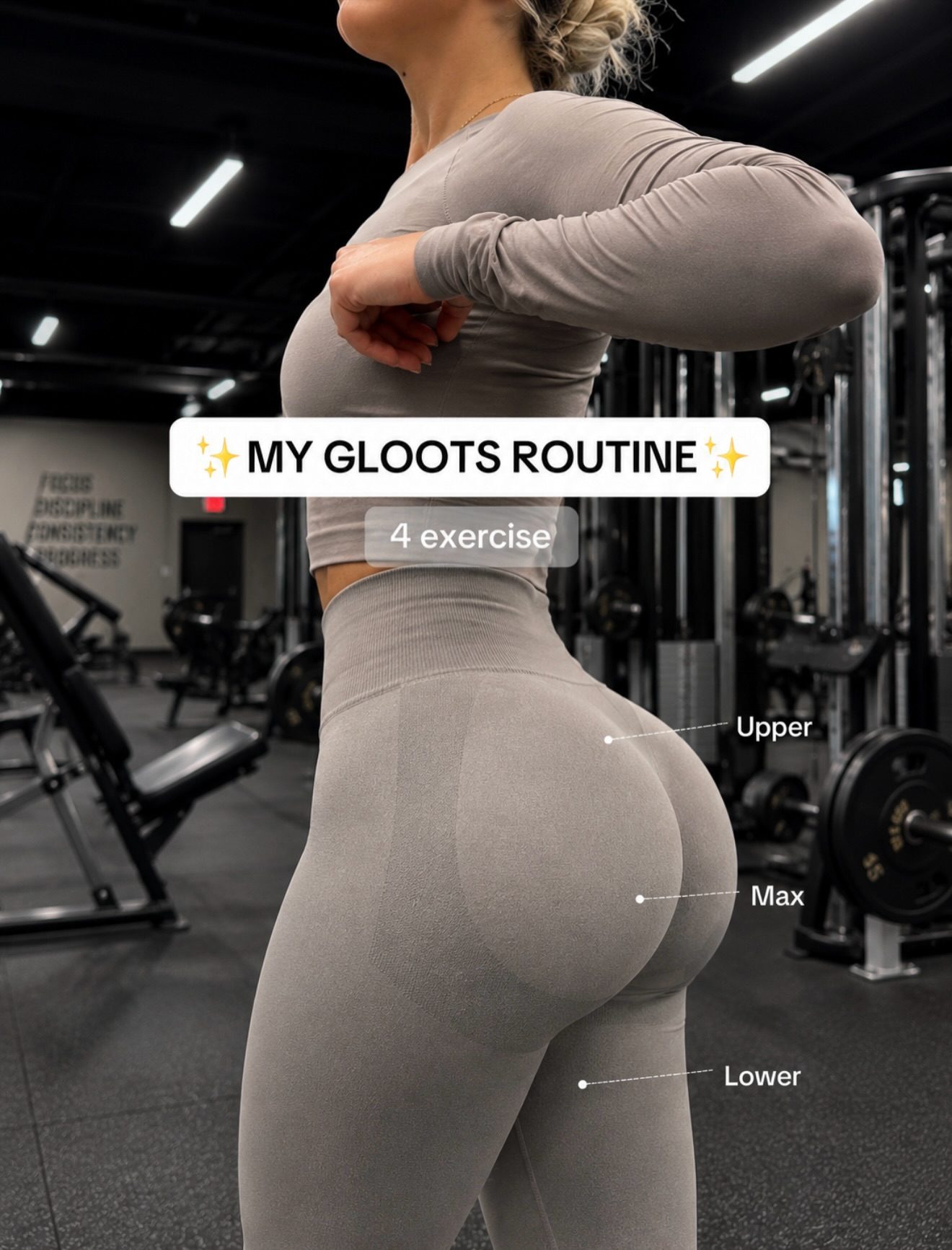
Glute Training: Mastering the Basics for Effective Results
Glute training is a popular fitness focus, but many people struggle to achieve the results they desire. The key to growing and strengthening the glutes lies in control, tension, and consistency. This article delves into the essentials of glute training, highlighting key exercises, proper form, and the importance of progressive overload and patience.
Why Glute Training Matters
Glute training is more than just about aesthetics; it's crucial for overall lower body strength, stability, and injury prevention. Strong glutes support the hips, knees, and lower back, making everyday movements easier and reducing the risk of injuries. Whether you're an athlete, a gym enthusiast, or someone looking to improve daily mobility, a well-rounded glute routine is essential.
The Perfect Glute Routine
A solid glute routine should focus on a few key movements rather than a multitude of random exercises. This approach ensures that each exercise is done with proper form, control, and progressive overload.
Essential Exercises for Glute Development
1. Dumbbell Romanian Deadlifts (DB RDLs)
DB RDLs are excellent for developing the glutes and hamstrings. The key to this exercise is to slow down the lowering phase and push the hips back correctly. This action creates a deep stretch in the glutes and hamstrings, promoting muscle growth.
Pro Tip: Focus on keeping the weight in your heels rather than your toes. This technique helps maintain proper form and ensures that the glutes are engaged throughout the movement.
2. Goblet Squats
Goblet squats are a fantastic exercise for overall lower body growth, with a particular emphasis on the glutes. The secret to effective goblet squats is depth and control. Rushing through the reps will not yield the desired results. Instead, focus on maintaining tension in the glutes and keeping the weight in your heels.
3. Hip Thrusts
Hip thrusts are often hailed as the king of glute exercises. When performed correctly, hip thrusts target the glutes effectively. The key to this exercise is the squeeze at the top—hold this position for 1-2 seconds to maximize glute activation. Avoid ego lifting and bouncing the weight; focus on control and proper form.
Pro Tip: Use a barbell for added resistance, but ensure you maintain a straight line from your shoulders to your knees. Keep your ribs down and core tight to avoid arching your lower back.
4. Cable Kickbacks
Cable kickbacks are an excellent finisher for isolating the glutes and maintaining constant tension. This exercise helps in targeting the glutes specifically, ensuring they are fully engaged throughout the movement.
Common Mistakes to Avoid
Many people make the mistake of using too much weight, rushing through reps, and frequently changing their workout routines. These practices hinder muscle growth and development. Consistency, progressive overload, and proper form are crucial for effective glute training.
The Importance of Progressive Overload and Patience
Growth in the glutes requires progressive overload, patience, and consistency. This means gradually increasing the weight or resistance over time, ensuring that the muscles are continually challenged. Additionally, recovery and adequate protein intake are essential for muscle growth.
The Role of Recovery
Recovery is as important as the workout itself. Ensure you give your muscles enough time to repair and grow between workouts. This means getting adequate sleep, maintaining a balanced diet, and allowing for rest days.
Consistency and Patience
Consistency is key in any fitness journey. Stick to your routine, even when motivation wanes. Showing up week after week is what will yield results in the long run.
Nutrition for Glute Growth
Proper nutrition plays a significant role in muscle growth. Ensure you consume enough protein to support muscle repair and growth. A balanced diet with adequate calories will help fuel your workouts and promote recovery.
Practical Tips for Effective Glute Training
Focus on Form
Proper form is crucial for targeting the right muscles and avoiding injuries. Ensure you perform each exercise with control and focus on the mind-muscle connection.
Progressive Overload
Gradually increase the weight or resistance to challenge your muscles continually. This approach ensures that your muscles are forced to adapt and grow stronger.
Consistency
Stick to your routine and avoid frequently changing exercises. Consistency is key to seeing results over time.
Recovery
Allow your muscles to recover between workouts. This means getting enough sleep, staying hydrated, and eating a balanced diet.
Useful Tools
Using fitness apps like WorkIt can help you stay consistent with your workout and nutrition plans. Features like personalized programs, daily challenges, and the ability to earn rewards can motivate you to stay on track.
Important Takeaways
- Focus on a few key movements rather than a multitude of random exercises.
- Ensure proper form and control during each exercise.
- Progressive overload, patience, and consistency are crucial for glute growth.
- Nutrition, recovery, and using helpful tools can enhance your fitness journey.
Conclusion
Growing and strengthening the glutes requires a focused approach, proper form, and consistency. By incorporating key exercises like DB RDLs, goblet squats, hip thrusts, and cable kickbacks into your routine, you can effectively target and develop your glutes. Remember, there are no shortcuts to fitness—consistency, progressive overload, and proper recovery are essential for achieving your goals. Stay patient, stay consistent, and watch your results improve over time.
Watch the Reel
Recent articles
Fresh deep dives from the latest Reels we unpacked.




Comments
Be the first to comment.