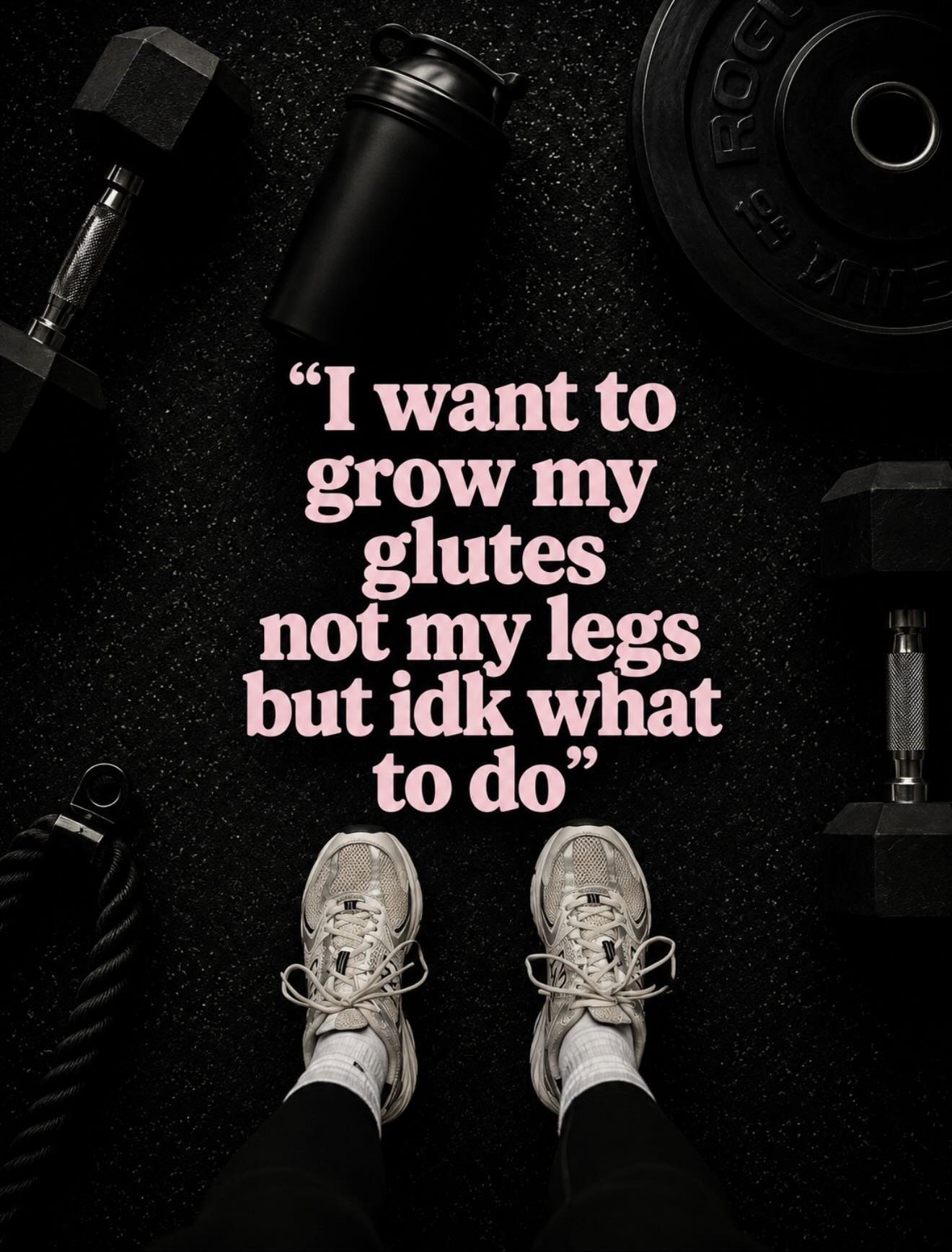
Glute Workout and Nutrition
Many women entering the gym often share a common goal: building bigger glutes without increasing the size of their legs. Achieving this involves more than just random exercises and intense workouts. It requires a strategic approach, combining specific exercises, proper technique, progressive overload, recovery, and optimal nutrition. Here’s a comprehensive guide to help you target and grow your glutes effectively.
Why This Matters
Glute development is more than just an aesthetic goal; it’s crucial for overall strength, mobility, and injury prevention. The glutes are the largest and most powerful muscle group in the body, playing a key role in posture, balance, and functional movements. By focusing on glute growth, you can improve your athletic performance, reduce the risk of injuries, and enhance your overall fitness.
Core Principles of Glute Growth
Exercise Selection
Choosing the right exercises is the first step in effective glute training. Prioritize movements that target the glutes directly. Some of the most effective exercises include:
- Hip Thrusts: This exercise is excellent for isolating and activating the glutes. Perform them with a full range of motion to maximize muscle engagement.
- Glute-Focused RDLs (Romanian Deadlifts): This compound movement targets the glutes, hamstrings, and lower back. Ensure proper form to avoid injury and maximize glute activation.
- Back Extensions: This exercise targets the glutes and lower back, helping to build strength and stability in the posterior chain.
- Cable Kickbacks: This isolation movement is perfect for targeting the glute muscles directly. Focus on controlling the weight throughout the movement.
Technique and Progressive Overload
Proper technique is essential for effective glute training. Use a full range of motion and control every rep to ensure maximum muscle engagement. Gradually increase the weight or resistance over time to challenge your muscles and promote growth. Aim to train your glutes 2-3 times per week, pushing close to failure on your working sets.
Nutrition for Muscle Growth
Nutrition plays a critical role in muscle growth and recovery. All the hard work in the gym will never bear fruit if your diet isn’t in check. Here are some key nutritional tips to support your glute growth:
Protein Intake
Protein is essential for muscle repair and growth. Aim for 1.6-2.2 grams of protein per kilogram of body weight. Spread your protein intake evenly throughout the day, consuming it every 3-4 hours. This ensures a steady supply of amino acids for muscle recovery and growth.
Calorie Surplus
To build muscle, you need to be in a slight calorie surplus. This means consuming more calories than your body burns. Be consistent with your calorie intake, and make sure to include nutrient-dense foods in your diet. Calorie surplus helps in building muscle mass.
Healthy Fats
Incorporate healthy fats into your diet to support hormone production and overall health. Good sources of healthy fats include avocado, nuts, olive oil, and nut butters. These fats provide essential nutrients and help in maintaining hormonal balance.
Quality Carbohydrates
Carbohydrates are your body’s primary fuel source during workouts. Opt for quality carbohydrates like rice, oats, potatoes, fruits, and whole grains. These carbs provide sustained energy and aid in post-workout recovery.
Hydration
Hydration is often overlooked but is crucial for performance, recovery, and muscle function. Aim to drink 2-3 liters of water daily. Proper hydration ensures that your muscles are well-nourished and ready for intense workouts.
Timing Matters
Eat protein every 3-4 hours to make a difference in muscle growth and recovery. Regular protein consumption helps maintain a positive nitrogen balance, which is essential for muscle protein synthesis (MPS).
Practical Tips
Here are some practical tips to help you achieve your glute growth goals:
- Consistency: Be consistent with your workouts and nutrition. Results take time, so stick to your plan and make adjustments as needed.
- Use the Workit App: The Workit app offers personalized workout programs, nutrition plans, calorie and macro tracking, progress tracking, exercise libraries, and step-by-step guidance. This app can help you build muscle and reach your goals faster.
- Track Your Progress: Keep a log of your workouts and nutrition. This helps you stay accountable and identify areas for improvement.
- Stay Hydrated: Always carry a water bottle with you and sip water throughout the day.
- Listen to Your Body: Pay attention to how your body responds to different exercises and adjustments to your diet. Make changes based on your body's feedback.
Important Takeaways
- Glute growth requires a combination of exercise selection, proper technique, progressive overload, recovery, and nutrition.
- Prioritize exercises like hip thrusts, glute-focused RDLs, back extensions, and cable kickbacks.
- Nutrition is crucial for muscle growth. Aim for a slight calorie surplus, adequate protein intake, healthy fats, quality carbohydrates, and proper hydration.
- Consistency is key to achieving your fitness goals.
Conclusion
Achieving bigger glutes involves a combination of targeted exercises, proper technique, progressive overload, and optimal nutrition. By following the guidelines outlined in this article, you can build strength, shape, and grow your glutes effectively. Remember, your dream physique isn’t built in a week; it’s built one workout, one meal, and one decision at a time. Stay consistent, and you’ll see the results you desire.
Watch the Reel
Questions readers ask
What are the best exercises for targeting the glutes effectively?
Exercises like squats, lunges, and hip thrusts are highly effective for targeting the glutes. To maximize glute growth, focus on proper form and gradually increase the weight or resistance. Progressive overload is essential for challenging your muscles and promoting growth.
How does nutrition impact glute growth?
Proper nutrition is vital for muscle growth, including the glutes. Consuming a balanced diet rich in proteins, carbohydrates, and healthy fats provides the necessary building blocks for muscle repair and growth. Staying hydrated and maintaining a caloric surplus can also support your glute gains.
What are hip thrusts, and are they essential for glute development?
Hip thrusts are an isolation exercise that specifically targets the glute muscles. They are highly effective for building glute strength and size. Performing hip thrusts with proper form and gradually increasing the weight can significantly contribute to your overall glute growth.
Can I build stronger glutes with bodyweight exercises alone?
While bodyweight exercises like squats and lunges are great for beginners and can help build a strong foundation, progressive overload is crucial for significant glute growth. Incorporating weights or resistance bands can enhance the effectiveness of your glute workouts over time.
Why is recovery important for glute workouts?
Recovery is a critical component of any glute workout plan. It allows your muscles to repair and grow stronger. Ensure you take rest days between glute workouts, stretch regularly, and prioritize sleep to support muscle recovery and overall progress.
How can I track my progress in glute strength training?
Tracking your progress can be done through various methods, such as keeping a workout journal, using a glute workout app, or taking progress photos. Monitoring your strength improvements and changes in muscle size can help you stay motivated and make necessary adjustments to your workout plan.
What are some glute exercises that can be done at home?
Exercises like bodyweight squats, lunges, glute bridges, and donkey kicks can be performed at home without any equipment. These exercises are effective for targeting the glutes and can be modified to increase intensity as you progress.
Recent articles
Fresh deep dives from the latest Reels we unpacked.




Comments
Be the first to comment.