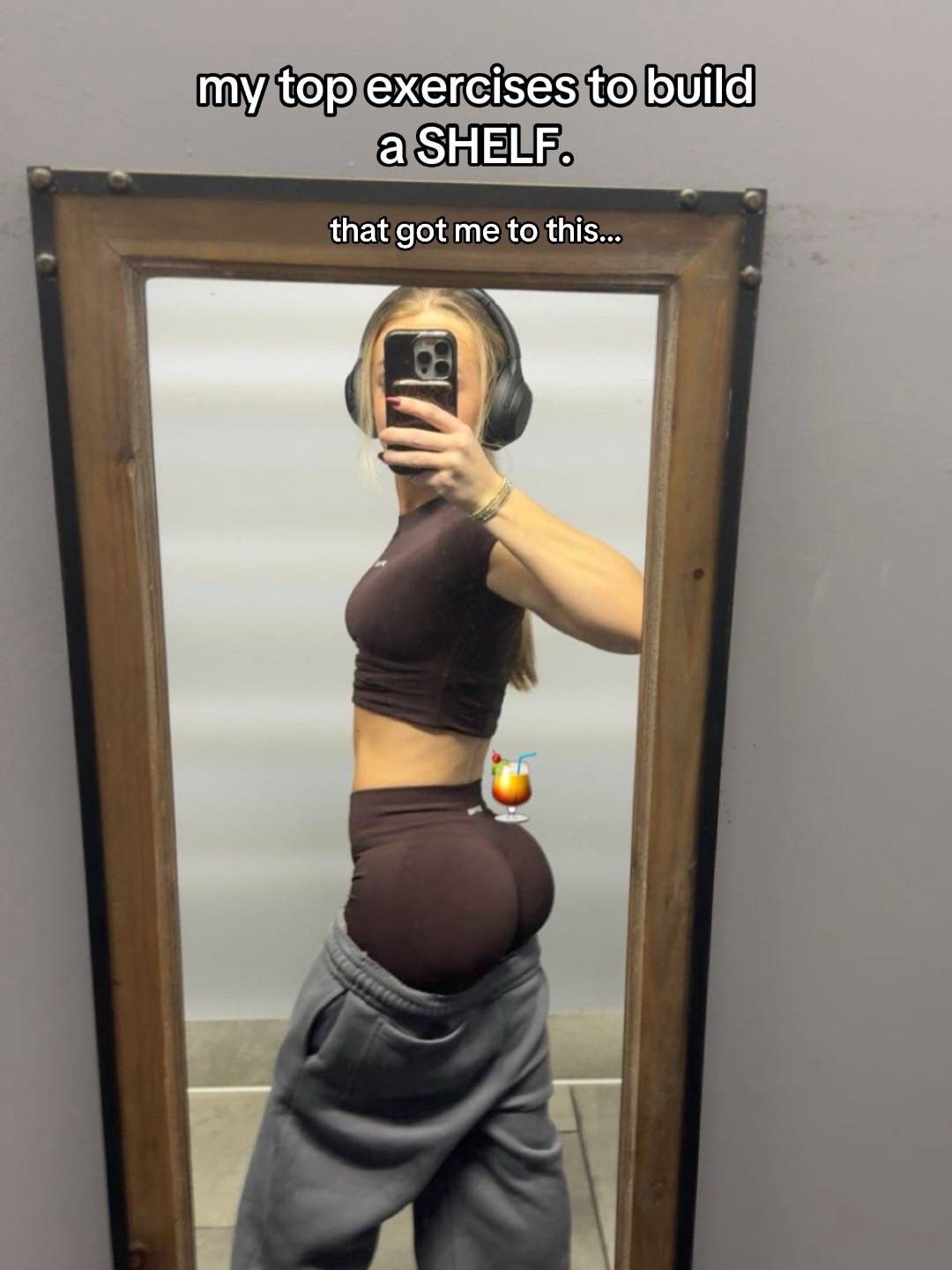
Building Glute Muscle: Effective Exercises and Key Considerations
Building a strong, toned posterior is a common fitness goal, and it involves more than just aesthetic appeal. Strong glutes are essential for overall lower body strength, stability, and injury prevention. To effectively build glute muscle, focus on a combination of targeted exercises, progressive overload, and consistent effort. Here’s a deeper look into the exercises and considerations highlighted for optimal glute development.
Why This Matters
Strengthening your glutes isn’t just about looking good; it’s crucial for functional movement and athletic performance. Strong glutes support the hips, knees, and lower back, reducing the risk of injuries and improving overall mobility.
Effective Glute-Building Exercises
Several exercises are particularly effective for building glute muscle. Incorporate these into your workout routine for the best results.
Hip Abductions
Hip abductions are an excellent warm-up exercise to activate the glutes before heavier lifts. This exercise targets the outer glute muscles, improving hip stability and strength. To perform hip abductions:
- Lie on your side with your legs extended and stack your hips.
- Lift your top leg as high as you can without shifting your hips.
- Lower the leg back down to the starting position.
Repeat for 10–15 reps on each side.
Hip Thrusts
Despite being less enjoyable, hip thrusts are incredibly effective for building glute muscle. This exercise isolates the glutes and hamstrings, providing a powerful burn and significant muscle growth.
To do hip thrusts:
- Sit on the floor with your upper back against a bench or step.
- Place your feet flat on the floor, knees bent at a 90-degree angle.
- Drive through your heels and lift your hips until your body forms a straight line from your shoulders to your knees.
- Lower your hips back down to the starting position and repeat for 8-12 reps.
Romanian Deadlifts (RDLs)
RDLs are fantastic for targeting the glutes, hamstrings, and overall posterior chain. This compound movement improves strength and stability in the lower body.
For proper RDL technique:
- Stand with feet hip-width apart, holding a barbell or dumbbells in front of your thighs.
- Hinge at your hips, keeping your back straight, and slide the weight down your thighs.
- Keep the weight close to your body and maintain a slight bend in your knees.
- Push through your heels to return to the starting position, squeezing your glutes at the top.
Cable Kickbacks
Cable kickbacks provide a challenging burn and pump, targeting the glutes and hamstrings. This exercise is perfect for isolating the glute muscles and improving their definition.
To perform cable kickbacks:
- Attach an ankle cuff to a low pulley on a cable machine.
- Face the machine and loop the cuff around your ankle.
- Lean slightly forward, keeping your back straight, and kick your leg backward in a controlled motion.
- Return to the starting position and repeat for 10-15 reps on each leg.
Bulgarian Split Squats
Bulgarian split squats are brutal but highly effective for building glute muscle. This exercise challenges balance, stability, and unilateral strength.
To do Bulgarian split squats:
- Stand a few feet in front of a bench or step, with one foot elevated behind you.
- Bend your front knee, lowering your body until your front thigh is parallel to the ground.
- Push through your front heel to return to the starting position.
Step-Ups
Step-ups are an underrated glute builder, especially when performed with heavy weights and controlled movements. This exercise improves lower body strength and stability.
For step-ups:
- Stand in front of a bench or step, holding dumbbells at your sides.
- Place one foot on the bench and push through your heel to step up.
- Bring your other leg up to stand on the bench, then slowly lower back down.
Key Considerations for Glute Development
Consistency and Progressive Overload
Consistency is crucial for building muscle. Stick to your workout routine and gradually increase the weight or resistance over time. This progressive overload ensures continuous muscle growth and strength gains.
Full Range of Motion
Perform each exercise with a full range of motion to maximize muscle engagement. Avoid rushing through reps; focus on controlled movements and feel the glutes working through the entire exercise.
Proper Nutrition and Recovery
Training is just one part of the equation. Proper nutrition, sleep, and recovery are essential for muscle growth and overall fitness. Ensure you’re consuming enough protein and overall calories to support your workout routine and give your body time to rest and repair between sessions.
The Role of Workit
The WORKIT app is mentioned as a useful tool for tracking workouts and nutrition. This app offers personalized workout and nutrition plans, and it incentivizes users by allowing them to earn rewards for staying active. By keeping you accountable and motivated, the app can help you maintain consistency and achieve your fitness goals.
Practical Tips
Warm-Up Properly
Before diving into your glute workout, make sure to warm up with dynamic stretches and lighter exercises. Hip abductions and light cardio are great options to activate the glutes and prepare them for more intense exercises.
Focus on Form
Always prioritize proper form over heavy weights. Incorrect form can lead to injuries and reduce the effectiveness of the exercise. If you’re unsure about proper technique, consider working with a fitness professional.
Incorporate Variety
Mix up your glute exercises to keep your workouts engaging and prevent plateaus. Try different variations of squats, lunges, and hip movements to target the glutes from various angles.
Prioritize Rest and Recovery
Don’t underestimate the importance of rest days. Your muscles grow and repair during rest periods, so ensure you’re giving your body enough time to recover between workouts.
Important Takeaways
Building strong, toned glutes requires a combination of targeted exercises, progressive overload, and consistent effort. Incorporate exercises like hip thrusts, RDLs, and cable kickbacks into your routine, and remember that consistency, proper nutrition, and rest are just as important as the workouts themselves. Consider using tools like the WORKIT app to keep you motivated and accountable on your fitness journey.
Conclusion
Building glute muscle is a rewarding journey that improves both your physical appearance and overall fitness. Focus on targeted exercises, maintain a consistent routine, and prioritize proper nutrition and recovery. With dedication and the right approach, you’ll see significant progress in your glute development and overall lower body strength.
Watch the Reel
Questions readers ask
What are some effective exercises for building strong glutes?
Some of the most effective exercises for building strong glutes include hip abductions, glute thrusts, and deadlifts. These exercises target the glute muscles specifically, helping to build strength and tone. Incorporating a variety of these exercises into your routine can help ensure comprehensive glute development.
Why are strong glutes important for overall fitness?
Strong glutes play a crucial role in overall fitness by supporting the hips, knees, and lower back. This support helps to reduce the risk of injuries and improves overall mobility. Additionally, strong glutes contribute to better athletic performance and functional movement.
What is progressive overload and how does it help in building glute muscle?
Progressive overload involves gradually increasing the demand placed on your muscles during exercise, such as by adding more weight or increasing the number of repetitions. This technique is crucial for building glute muscle because it continually challenges the muscles, forcing them to adapt and grow stronger over time.
Are there specific glute exercises for beginners?
Yes, there are several glute exercises suitable for beginners. Simple bodyweight exercises like hip abduction exercises, glute bridges, and lunges are good starting points. These exercises can be done without equipment and help build a foundation of strength before moving on to more advanced movements.
How often should I incorporate glute exercises into my workout routine?
To see significant results, aim to incorporate glute exercises into your workout routine at least 2-3 times per week. Consistency is key in building strong glutes. Make sure to target different aspects of the glute muscles with a variety of exercises for well-rounded development.
Can glute exercises help improve my athletic performance?
Absolutely. Strong glutes are vital for many athletic movements, such as running, jumping, and changing direction quickly. By incorporating targeted glute exercises into your routine, you can enhance your power, speed, and agility, leading to improved overall athletic performance.
What are some tips for getting the most out of my glute building routine?
To maximize the benefits of your glute building routine, focus on proper form during each exercise. Engage your glutes fully by squeezing them at the peak of each movement. Additionally, ensure a balanced diet and adequate rest to support muscle recovery and growth.
Recent articles
Fresh deep dives from the latest Reels we unpacked.




Comments
Be the first to comment.