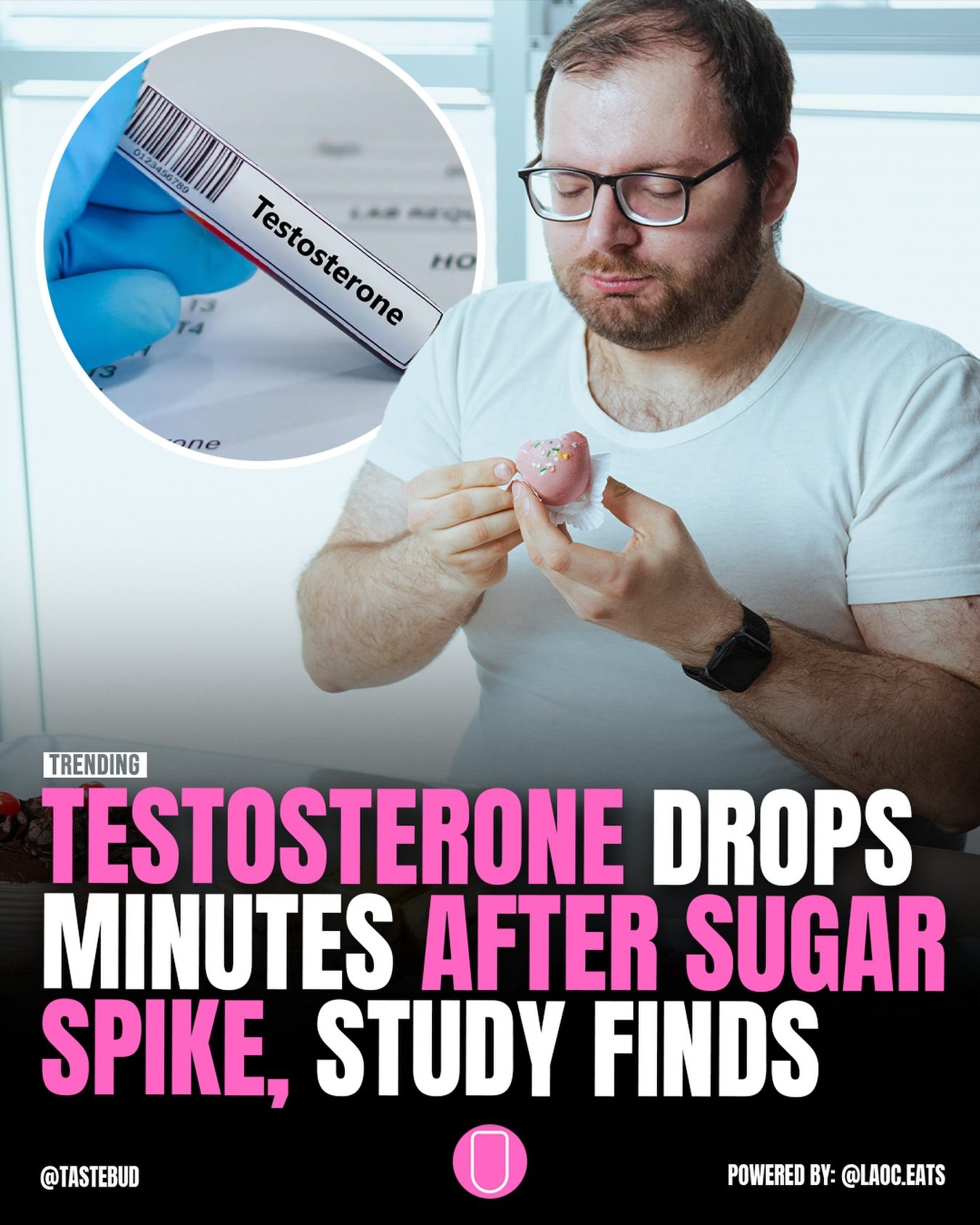
Testosterone Drops and the Impact of Glucose Spikes
Testosterone supplements, such as drops, are popular among those looking to boost their hormone levels. Understanding how these supplements interact with the body, especially in response to factors like glucose spikes, is crucial for anyone considering their use. Recent studies have shed light on the immediate effects of glucose on testosterone levels, providing valuable insights into how our bodies respond to dietary changes.
Context / Why this matters
Glucose, a simple sugar, is the body's primary energy source. It plays a pivotal role in various physiological processes, including hormone regulation. When you consume a high amount of glucose, your body responds by increasing insulin production to manage the sugar influx. This process can have a direct impact on testosterone levels, as evidenced by recent research. Understanding this relationship is important for anyone looking to maintain optimal hormone levels, especially those who use testosterone drops.
The Study
A comprehensive study explored how a rapid glucose spike affects testosterone levels. The research involved giving men a standard 75g oral glucose test and monitoring their hormone levels over time. The findings were striking: testosterone levels dropped significantly soon after glucose consumption. This rapid decrease highlights that hormone fluctuations can occur within hours, not just over prolonged periods.
The Role of Luteinizing Hormone
One of the most intriguing findings from the study was the lack of change in luteinizing hormone (LH) levels. LH is produced by the pituitary gland and plays a crucial role in stimulating testosterone production in the testes. The fact that LH levels remained unchanged while testosterone levels dropped suggests that the effect of glucose on testosterone is likely happening directly at the level of the testes. This direct impact highlights the intricate relationship between glucose, insulin, and hormone regulation.
Main discussion
The Impact of Glucose on Testosterone
The study's results indicate that glucose and insulin levels directly influence testosterone production. When glucose levels spike, the body produces more insulin to manage the excess sugar. This increased insulin production can suppress testosterone production in the testes, leading to a rapid drop in testosterone levels.
The Mechanism Behind the Effect
The exact mechanism behind this effect is still under investigation, but it is believed to involve the interplay between glucose, insulin, and the receptors on the testes. When insulin levels rise, it can interfere with the receptors that respond to LH, thereby reducing the production of testosterone. This direct impact on the testes explains why LH levels remained unchanged despite the drop in testosterone.
The Role of Real-Time Energy Intake
The study also highlights how closely hormones are tied to real-time energy intake. This means that the foods and beverages we consume can have an immediate impact on our hormone levels. For those using testosterone drops, this is particularly relevant, as it underscores the importance of maintaining a balanced diet to support optimal hormone levels.
Practical Implications
The findings of this study have practical implications for anyone using testosterone drops or considering their use. It emphasizes the need to monitor dietary choices and understand how they can affect hormone levels. For individuals looking to maintain optimal testosterone levels, it is crucial to be mindful of glucose intake and its impact on insulin and testosterone production.
Practical tips
Monitor Your Diet
Given the direct impact of glucose on testosterone levels, it is essential to monitor your diet carefully. Opt for meals that provide a steady release of energy, such as those rich in complex carbohydrates, proteins, and healthy fats. Avoiding excessive sugar intake can help maintain stable hormone levels.
Consider Timing
The timing of your meals can also play a role in managing your hormone levels. Consuming carbohydrate-rich foods before or after physical activity can help your body utilize the glucose more efficiently, reducing its impact on insulin and testosterone levels.
Stay Hydrated
Hydration is crucial for overall health and can also impact hormone regulation. Ensure you drink enough water throughout the day to support your body's metabolic processes and maintain stable hormone levels.
Regular Exercise
Regular physical activity, particularly resistance training, can help boost testosterone levels naturally. Combining a balanced diet with regular exercise can provide a holistic approach to supporting your hormonal health.
Important takeaways
The study's findings underscore the dynamic nature of hormone regulation and the direct impact of glucose on testosterone levels. Key takeaways include:
- Rapid Fluctuations: Hormone levels can change rapidly in response to dietary factors, such as glucose intake.
- Direct Impact on Testes: Glucose and insulin levels can directly influence testosterone production in the testes, independent of LH levels.
- Real-Time Changes: Hormone regulation is closely tied to real-time energy intake, highlighting the importance of mindful eating.
- Dietary Considerations: Monitoring and managing your diet can help maintain stable hormone levels, especially for those using testosterone supplements.
Conclusion
The relationship between glucose intake and testosterone levels is a complex and dynamic one. Recent studies have provided valuable insights into how glucose spikes can rapidly affect hormone levels, highlighting the importance of dietary choices in supporting optimal hormone regulation. For those using testosterone drops, understanding this relationship can help in making informed decisions about diet and lifestyle to maintain stable and healthy hormone levels.
Watch the Reel
Questions readers ask
How quickly can glucose spikes lower testosterone levels?
Glucose spikes can rapidly lower testosterone levels, with effects observed within a short period after consuming high-sugar foods. This immediate drop underscores the importance of monitoring sugar intake for maintaining hormonal balance.
Why do glucose spikes affect testosterone levels?
Glucose spikes trigger an increase in insulin production, which can directly impact the testes and decrease testosterone levels. This effect is independent of changes in luteinizing hormone, highlighting a direct influence on hormone regulation.
Can men counteract the effects of glucose spikes on testosterone?
Men can help mitigate the effects of glucose spikes on testosterone by managing their diet and engaging in regular physical activity. This helps to stabilize blood sugar levels and maintain hormonal balance.
Should men avoid sugar entirely to maintain testosterone levels?
While it's not necessary to eliminate sugar entirely, it's beneficial for men to limit their sugar intake to prevent frequent glucose spikes. This helps in maintaining consistent testosterone levels and overall health.
How do testosterone drops interact with glucose spikes?
Testosterone drops may not be as effective in maintaining hormonal balance if glucose spikes occur frequently. The immediate drop in testosterone levels due to glucose spikes can counteract the benefits of these supplements.
Related deep dives
Similar reads based on topic and creator.


Recent articles
Fresh deep dives from the latest Reels we unpacked.




Comments
Be the first to comment.