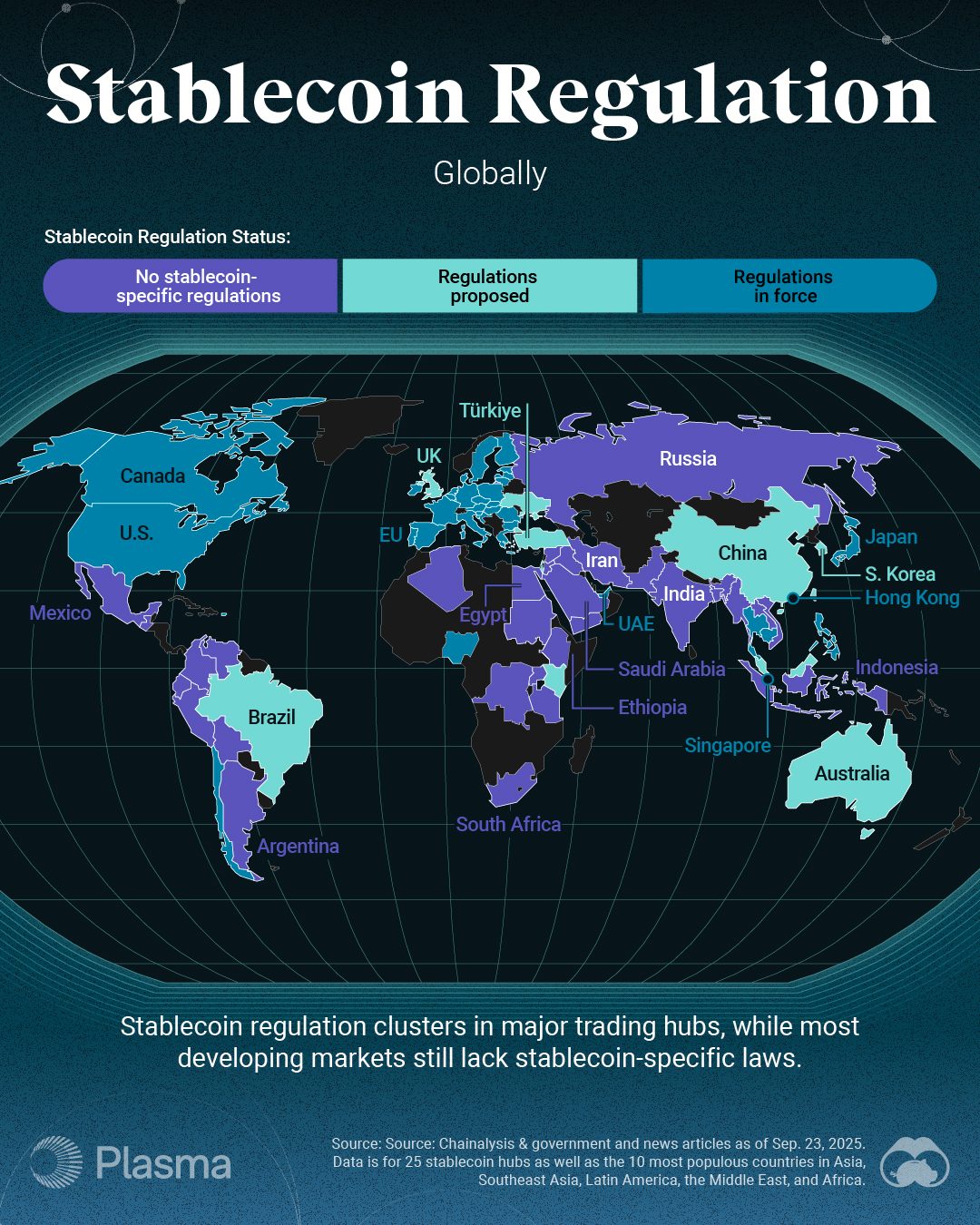
Stablecoin Regulation: A Global Overview
Stablecoins, digital currencies pegged to a stable asset like the U.S. dollar, have gained significant traction in recent years. Their regulation, however, varies widely across the globe. This article explores the current state of stablecoin regulation, highlighting which countries have implemented or proposed specific laws, and which have yet to address this emerging financial technology.
Why This Matters
Stablecoins offer a unique blend of cryptocurrency volatility and fiat currency stability, making them attractive for various financial transactions. Understanding the regulatory landscape is crucial for investors, financial institutions, and policymakers. It helps in assessing risks, ensuring compliance, and fostering innovation in the financial sector.
The Global State of Stablecoin Regulation
Regulated Regions
Several countries and regions have taken proactive steps to regulate stablecoins, recognizing their potential impact on the financial system. These regions include:
- United States (U.S.): The U.S. has been at the forefront of stablecoin regulation, with proposals and discussions ongoing. The focus is on ensuring consumer protection, preventing money laundering, and maintaining financial stability.
- European Union (EU): The EU has been working on the Markets in Crypto-Assets (MiCA) regulation, which includes provisions for stablecoins. The goal is to create a harmonized regulatory framework across member states.
- United Kingdom (UK): The UK's Financial Conduct Authority (FCA) has issued guidelines for stablecoin issuers, focusing on transparency, stability, and consumer protection.
- Singapore: Known for its friendly stance towards fintech, Singapore has implemented regulations that require stablecoin issuers to comply with anti-money laundering (AML) and counter-terrorism financing (CTF) measures.
Proposed Regulations
Other countries are in the process of drafting or discussing stablecoin regulations. These include:
- Canada: The Canadian Securities Administrators (CSA) and the Investment Industry Regulatory Organization of Canada (IIROC) are exploring how to regulate stablecoins, focusing on investor protection and market integrity.
- Japan: The Financial Services Agency (FSA) in Japan is considering regulations for stablecoins, with a particular focus on ensuring they are fully backed by reserves.
- South Korea: The Financial Supervisory Service (FSS) in South Korea is reviewing the need for stablecoin regulations, with an emphasis on consumer protection and financial stability.
No Specific Regulations
Many countries, particularly in developing markets, still lack specific stablecoin regulations. These include:
- Brazil: While there is a growing interest in stablecoins, specific regulations are yet to be implemented.
- India: India has shown interest in regulating cryptocurrencies, but specific laws for stablecoins are not yet in place.
- Russia: Russia has been cautious about cryptocurrencies and stablecoins, and specific regulations are still under consideration.
- Turkey: Although there is interest in the crypto market, Turkey has not yet implemented specific stablecoin regulations.
- China: China has a restrictive stance on cryptocurrencies, and specific regulations for stablecoins are not expected in the near future.
Practical Tips for Navigating Stablecoin Regulation
For those involved in the stablecoin ecosystem, here are some practical tips to navigate the regulatory landscape:
Stay Informed
Regulations are continually evolving. Keep up-to-date with the latest developments by following reliable news sources, participating in industry forums, and consulting with legal experts.
Compliance is Key
Ensure that your stablecoin operations comply with the existing regulations in your jurisdiction. This includes maintaining transparency, adhering to AML and CTF measures, and safeguarding consumer interests.
Engage with Regulators
Active engagement with regulatory bodies can provide valuable insights and help shape future regulations. Participate in consultations, workshops, and regulatory discussions to contribute to the development of a balanced regulatory framework.
Collaborate with Industry Peers
Collaboration with other players in the stablecoin ecosystem can help in sharing best practices, addressing common challenges, and advocating for a supportive regulatory environment.
Consider International Regulations
For global stablecoin operations, it is essential to understand and comply with international regulations. This includes adhering to global standards for AML, CTF, and financial stability.
Important Takeaways
Stablecoins are a critical component of the evolving financial landscape, and their regulation is a complex and dynamic issue. Here are the key takeaways:
- Regulatory Diversity: The regulatory environment for stablecoins varies widely across different regions, with some countries having comprehensive regulations, while others are still in the drafting phase.
- Consumer Protection and Financial Stability: The primary focus of stablecoin regulations is on consumer protection, preventing money laundering, and maintaining financial stability.
- Global Collaboration: Effective regulation of stablecoins requires global collaboration and the adoption of consistent standards.
- Balanced Approach: A balanced regulatory approach that fosters innovation while mitigating risks is crucial for the sustainable growth of the stablecoin ecosystem.
Conclusion
The regulation of stablecoins is a multifaceted issue that requires a nuanced understanding of the regulatory landscape. Whether you are an investor, a financial institution, or a policymaker, staying informed and engaged is crucial. By understanding the global state of stablecoin regulations, you can better navigate the evolving financial landscape and contribute to the growth and stability of the stablecoin ecosystem.
Watch the Reel
Questions readers ask
What are the key stablecoin regulations in the United States?
The U.S. has taken several steps to regulate stablecoins, focusing on consumer protection and financial stability. The President's Working Group on Financial Markets, along with the Federal Deposit Insurance Corporation (FDIC) and the Office of the Comptroller of the Currency (OCC), has recommended that stablecoin issuers be subject to bank-like regulations. Additionally, the Securities and Exchange Commission (SEC) and Commodity Futures Trading Commission (CFTC) are involved in overseeing stablecoins that may fall under their jurisdictions.
How does the EU approach stablecoin regulations?
The EU has proposed the Markets in Crypto-Assets (MiCA) regulation, which aims to create a harmonized framework for crypto-assets, including stablecoins. MiCA focuses on consumer protection, market integrity, and financial stability. It requires issuers of stablecoins to be authorized and supervised, and it mandates reserves to ensure the stability of the stablecoins.
What are Singapore's regulations for stablecoins?
Singapore's approach to stablecoin regulation is part of its broader digital currency regulations. The Monetary Authority of Singapore (MAS) has issued guidelines for stablecoin issuers, emphasizing the need for robust risk management, transparency, and compliance with anti-money laundering (AML) and counter-terrorism financing (CFT) regulations. MAS also requires stablecoin issuers to maintain adequate reserves to ensure the stability of the currency.
Which countries in Asia have implemented stablecoin regulations?
Several countries in Asia have started to address stablecoin regulations. For instance, Japan has issued guidelines for stablecoin issuers, focusing on consumer protection and financial stability. South Korea is also exploring regulations for stablecoins, with a particular emphasis on combating illicit activities. In addition, Thailand has proposed rules for stablecoin issuers, mandating reserves and transparency.
What is the current state of stablecoin regulations in Africa?
In Africa, the regulatory landscape for stablecoins is still evolving. Some countries, like South Africa, have started to explore regulations, focusing on preventing financial crimes and ensuring market integrity. However, many African nations have yet to implement specific stablecoin laws, leaving a gap in the regulatory framework for this emerging technology.
Why is compliance with stablecoin regulations important for financial institutions?
Compliance with stablecoin regulations is crucial for financial institutions to mitigate risks, maintain trust, and avoid legal repercussions. By adhering to regulatory frameworks, institutions can ensure the stability of stablecoins, protect consumers, and contribute to the overall financial stability of the market. This also helps in fostering a positive environment for innovation in digital currencies.
What are the potential risks associated with unregulated stablecoins?
Unregulated stablecoins can pose significant risks, including market manipulation, financial instability, and consumer harm. Without proper oversight, stablecoins may be used for illicit activities, leading to potential legal and reputational damage for those involved. Therefore, understanding and complying with stablecoin regulations is vital for all stakeholders in the digital currency ecosystem.
Related deep dives
Similar reads based on topic and creator.


Recent articles
Fresh deep dives from the latest Reels we unpacked.




Comments
Be the first to comment.