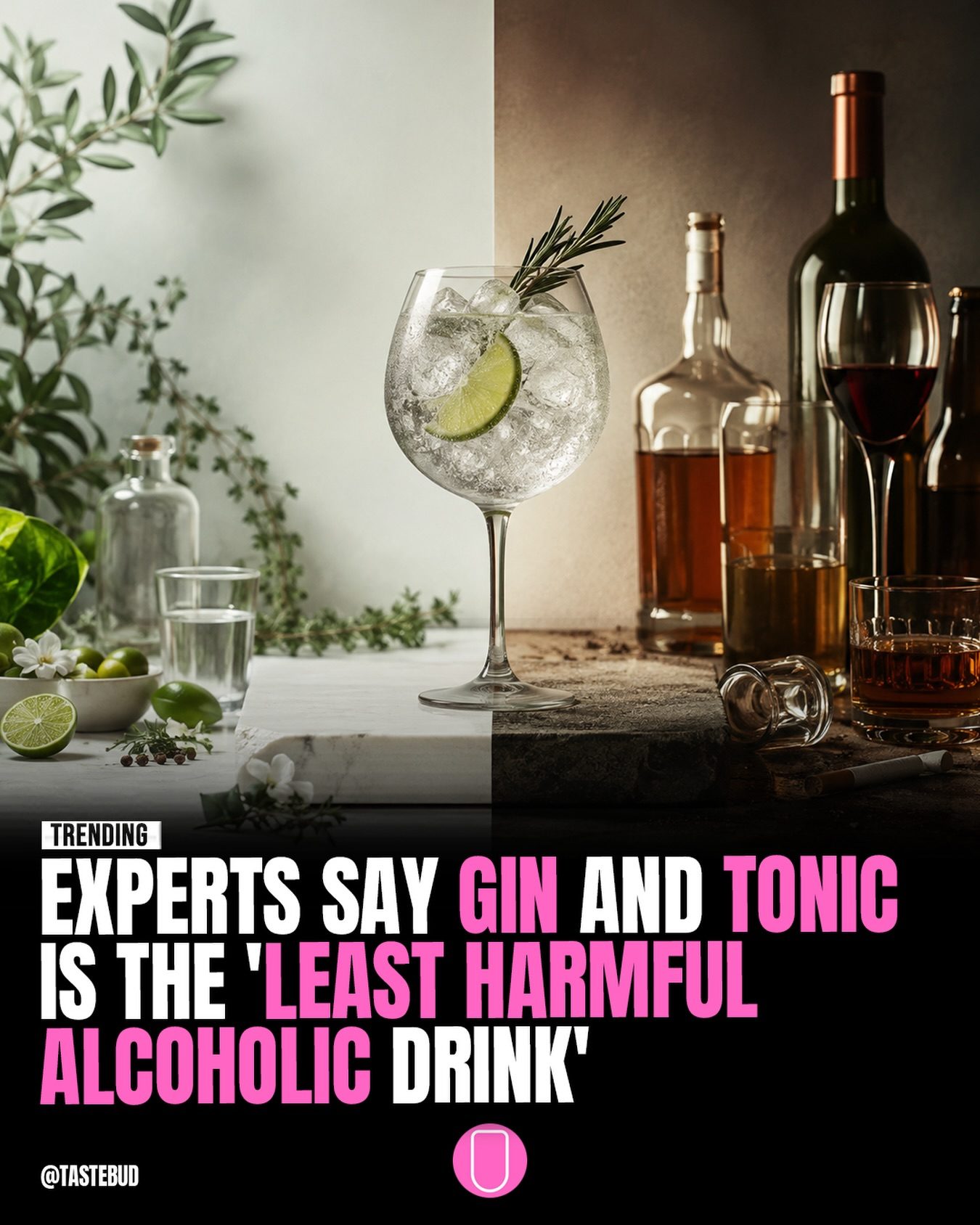
Gin and Tonic: A Closer Look at the "Least Harmful" Alcoholic Drink
Classic Gin and Tonic has long been a favored choice among cocktail enthusiasts, often celebrated for its simplicity and refreshing taste. Recently, a viral claim has surfaced suggesting that a gin and tonic might be one of the “least harmful” alcoholic drinks. But what does this mean, and is it true?
Context / Why This Matters
Drinking alcoholic beverages isn't as simple as it might seem. Different drinks come with varying levels of calories, sugars, and other ingredients, and these factors can impact overall health. Gin and tonic, composed of gin, tonic water, and usually garnished with a lime wedge, stands out as a drink that is often lower in calories and simpler in ingredients. This can make it seem like a lighter option compared to heavier beers or sugary cocktails.
Understanding Gin and Tonic
Ingredients and Calories
A classic gin and tonic typically contains:
- Gin: A distilled spirit made from juniper berries and other botanicals.
- Tonic Water: A carbonated soft drink that contains quinine, which gives it a distinct bitter taste.
- Lime: Often used as a garnish, adding a burst of citrus flavor.
Calorie-wise, a standard gin and tonic is generally lower compared to other alcoholic beverages. A 5-ounce gin and tonic typically contains around 192 calories, with 100 to 120 of these calories coming from the gin. This makes it a lower-calorie option compared to a 12-ounce can of beer (around 150 calories) or a 5-ounce glass of wine (around 125 calories). Additionally, tonic water itself is relatively low in calories, but watch out for tonic water with added sugars, which can increase the calorie count significantly.
Nutritional Comparison
When compared to other alcoholic beverages, here's how a classic gin and tonic stacks up:
- Beer: Often higher in calories and carbohydrates. A 12-ounce serving of beer can range from 100 to 200 calories.
- Wine: Generally lower in calories, but higher in sugar. A 5-ounce glass of wine can range from 110 to 190 calories.
- Sugary Cocktails: Often packed with added sugars and mixers, driving the calorie count higher. For instance, a Margarita can range from 250 to 400 calories.
Health Considerations
While a gin and tonic might be lighter in terms of calories, it’s essential to understand that no amount of alcohol is truly healthy. Alcohol, in any form, is associated with numerous health risks, including increased chances of liver issues, heart disease, and certain cancers. Even low levels of drinking are linked to long-term health risks, and experts are clear that no alcoholic beverage can be considered truly "healthy."
Practical Tips for Enjoying Gin and Tonic
If you enjoy a gin and tonic, there are a few practical tips to make the most of your drink:
- Choose low-sugar tonic water to keep your calorie intake low.
- Opt for gin with a lower alcohol by volume (ABV) to reduce the overall alcohol content.
- Limit your intake to moderate levels, as recommended by health guidelines. This means up to one drink per day for women and up to two drinks per day for men, with a standard drink being 148ml or 5 ounces of 40% alcohol.
Important Takeaways
There are some essential points to remember when considering a gin and tonic as a lighter alcoholic option:
- Lower in Calories: A classic gin and tonic, when prepared with low-sugar tonic water, is lower in calories compared to many other alcoholic beverages.
- Simpler Ingredients: It has a shorter ingredient list, making it a more straightforward choice.
- Moderation Matters: Even though it might be a lighter option, moderation is key. No alcoholic drink is free from potential health risks.
- Personal Preferences: Everyone’s body responds differently to alcohol, so it’s crucial to pay attention to how you feel and adjust your consumption accordingly.
Conclusion
A gin and tonic can indeed be a lighter alcoholic option, especially when compared to heavier beers or sugary cocktails. Its lower calorie count and simpler ingredient list make it an appealing choice for those looking to enjoy a drink without the extra calories and sugars. However, it’s important to remember that alcohol in any form should be consumed in moderation, and no amount of alcohol can be considered truly healthy. So, while a classic gin and tonic might be a healthier choice, it’s not a free pass to over-indulge.
Watch the Reel
Questions readers ask
What makes a gin and tonic seem like a lighter drink compared to other alcoholic beverages?
A gin and tonic is often perceived as a lighter drink due to its relatively low calorie count and simpler composition. It typically contains gin, tonic water, and a lime wedge, which means it lacks the added sugars and mixers found in many other cocktails.
How does the calorie count of a gin and tonic compare to other popular alcoholic drinks?
A standard gin and tonic contains around 140-150 calories, assuming a 1.5-ounce serving of gin and 4 ounces of tonic water. This is generally lower than many other mixed drinks, which can have 200-300 calories or more, depending on the ingredients and mixers used.
What are the potential health impacts of the ingredients in a gin and tonic?
While gin is a lower-calorie spirit, it still contains alcohol, which can have various health impacts. Tonic water, on the other hand, contains quinine and may have added sugars, which can also affect overall health. The lime wedge adds some vitamin C but doesn't significantly alter the drink's overall nutritional profile.
How do experts review the claim that a gin and tonic is the 'least harmful' alcoholic drink?
Experts generally agree that while a gin and tonic can be a lower-calorie option, it is not accurate to label it as the 'least harmful' alcoholic drink. The term 'harmful' should be assessed based on overall dietary and consumption habits. Drinking alcohol of any type, including gin and tonic, has health risks.
What should I consider when comparing gin and tonic to other alcoholic drinks?
When comparing a gin and tonic to other alcoholic drinks, consider the calorie count, the presence of added sugars, and the overall composition. Also, think about how your body responds to alcohol and how it fits into your overall lifestyle and health goals.
Related deep dives
Similar reads based on topic and creator.




Recent articles
Fresh deep dives from the latest Reels we unpacked.




Comments
Be the first to comment.