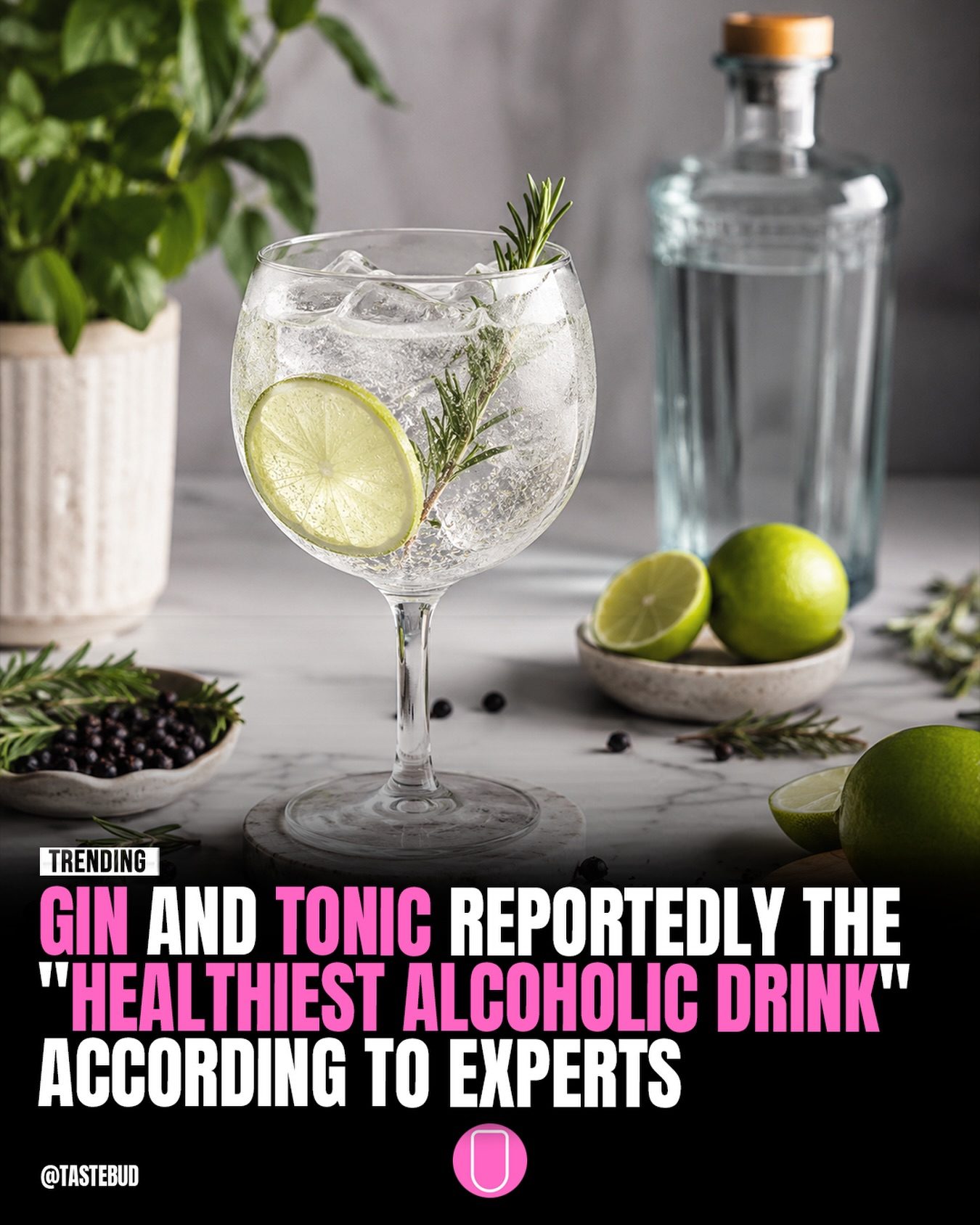
Gin and Tonic: A Closer Look at the Low-Sugar Cocktail
The term "healthiest alcoholic drink" is often used to describe the least harmful option. Gin and tonic frequently appears in such conversations. This classic cocktail is often cited for its lower sugar and calorie content compared to other cocktails. While no alcoholic beverage is truly healthy, understanding the components and potential benefits of gin and tonic can be useful.
Why This Matters
When choosing an alcoholic beverage, many people consider the impact on their overall health. Gin and tonic stands out as a potential option for those looking to minimize sugar and calorie intake. However, it's important to remember that the term "healthiest" is relative. Alcohol consumption, in general, can affect sleep, hydration, and overall health. It’s crucial to understand the specific ingredients in gin and tonic to make an informed decision.
Understanding Gin and Tonic
The Main Ingredients
Gin: Gin is a clear, distilled spirit that is flavored with juniper berries and other botanicals. Its flavor can vary widely depending on the brand and distillation process. Drier gins, often preferred for gin and tonic, provide a clean, crisp base for the cocktail.
Tonic Water: Tonic water is a carbonated beverage that contains quinine, a bitter compound derived from the cinchona tree. It adds a distinctive bitterness and effervescence to the drink. Traditional tonic water also contains sugar, but many modern varieties offer sugar-free or low-sugar options.
Garnishes: Common garnishes for gin and tonic include lime wedges, lemon slices, and botanical elements like rosemary or cucumber. These garnishes not only enhance the visual presentation but also add subtle flavors to the drink.
A Potential Healthier Option
The combination of gin and tonic can be a relatively more favorable choice for those looking to minimize sugar and calorie intake. Compared to cocktails made with syrups, fruit juices, or sweet mixers, gin and tonic is generally lower in sugar and calories. For example, a standard gin and tonic made with sugar-free tonic water and a moderate serving of gin can have around 120-150 calories, depending on the brand and serving size.
What the Experts Say
Experts often point out the benefits of consuming fresh, low-calorie ingredients. The use of fresh limes and other botanicals in gin and tonic aligns with this approach. While the healthiest option for most people is to consume alcohol in moderation, choosing a lower-sugar, lower-calorie cocktail can be a small step towards a healthier lifestyle.
Practical Tips for Making Gin and Tonic
Choose Your Gin
Selecting a gin that complements your tonic and garnishes is important. Dry gins with a prominent juniper flavor or those with citrus notes can pair well with tonic water. Experiment with different brands to find the one you enjoy the most.
Select a Quality Tonic
Opt for high-quality tonic water that balances bitterness and sweetness. Tastebud offers a range of tonic water options, from classic to flavored, that can enhance your gin and tonic experience. Many tonic water brands now offer sugar-free or low-sugar varieties, which can further reduce the calorie content.
Garnish Wisely
Garnishes can significantly impact the flavor and presentation of your gin and tonic. Fresh lime slices are the most common garnish, but you can also experiment with other fruits, herbs, or botanicals. For example, rosemary sprigs add a fragrant and visually appealing touch, while cucumber slices can provide a soothing, refreshing element.
Serve It Right
Serve your gin and tonic in a highball glass filled with ice. This allows the drink to stay cold and maintains its carbonation. The standard ratio for a gin and tonic is about 2 parts gin to 3 parts tonic, but you can adjust this to suit your taste preferences.
Important Takeaways
When evaluating gin and tonic as an alcoholic beverage, it’s essential to consider the overall ingredients and potential benefits. While it may not be a health food, it can be a lower-sugar cocktail option. Understanding the components and making mindful choices can help align your drink with your health goals.
Moderation and Limits
Gin and tonic, like any alcoholic beverage, should be consumed in moderation. Alcohol can affect sleep, hydration, and overall health, so it’s important to stay aware of your intake and avoid overconsumption.
Choosing the Right Gin and Tonic
Selecting high-quality gin and tonic water, along with fresh garnishes, can enhance both the flavor and the health benefits of your drink. Opt for sugar-free or low-sugar tonic water to further reduce calorie intake.
Experimentation
Don't hesitate to experiment with different gins, tonic waters, and garnishes to find the combination that suits your taste. The variety of options available allows you to tailor the drink to your preferences and dietary needs.
Conclusion
Gin and tonic can be a healthier option among alcoholic beverages, particularly for those looking to minimize sugar and calorie intake. By selecting quality ingredients, garnishing thoughtfully, and choosing low-sugar tonic water, you can enjoy a more flavorful and potentially healthier cocktail.
Watch the Reel
Questions readers ask
What makes gin and tonic a popular choice among those concerned with their calorie intake?
Gin and tonic is often chosen for its lower calorie content compared to other cocktails. A standard gin and tonic contains approximately 115 calories, with about 40 calories from the gin and the rest from the tonic water, making it a lower-calorie option compared to many other alcoholic beverages.
How does the sugar content in gin and tonic compare to other alcoholic drinks?
Gin and tonic generally has lower sugar content. A standard gin and tonic contains about 8-9 grams of sugar, primarily from the tonic water. In comparison, other popular cocktails like margaritas or mojitos can contain upwards of 20-30 grams of sugar, making gin and tonic a more appealing choice for those looking to reduce their sugar intake.
Are there any health benefits associated with gin and tonic?
While no alcoholic beverage is without risks, gin and tonic has some potential benefits. Gin itself is known to have antioxidants and digestive benefits. Additionally, tonic water contains quinine, which has been shown to have some health benefits, although it is important to note that the amount of quinine in tonic water is relatively low.
What is rosemary gin tonic and is it a better option for health?
Rosemary gin tonic is a variation of the classic gin and tonic that includes rosemary, a herb known for its various health benefits. Rosemary is rich in antioxidants and has anti-inflammatory properties. Adding rosemary to a gin and tonic may enhance the drink's flavor and potentially provide additional benefits, but it is still important to consume it in moderation.
Does the combination of gin and tonic have any impact on hydration?
Alcohol, in general, can lead to dehydration due to its diuretic properties. However, tonic water contains electrolytes and minerals, which may help mitigate some of the dehydrating effects of alcohol. Nevertheless, it is important to drink responsibly and stay hydrated by drinking plenty of water when consuming alcoholic beverages.
How does alcohol consumption affect overall health, even with lower-calorie options like gin and tonic?
Even though gin and tonic is a lower-calorie option, it is essential to acknowledge that alcohol consumption can have various adverse effects on health, including sleep disruption, impairment of cognitive function, increased risk of certain diseases, and negative impacts on mental health. Moderation is key, regardless of the type of alcoholic beverage.
Why is it important to consider the overall picture when choosing an alcoholic beverage?
While gin and tonic may be a lower-calorie and lower-sugar option, it is crucial to consider the broader context of alcohol consumption. Factors such as how alcohol interacts with medications, potential allergies or sensitivities to ingredients, and individual health conditions should be taken into account. Always consult with a healthcare provider for personalized advice.
Related deep dives
Similar reads based on topic and creator.




Recent articles
Fresh deep dives from the latest Reels we unpacked.




Comments
Be the first to comment.